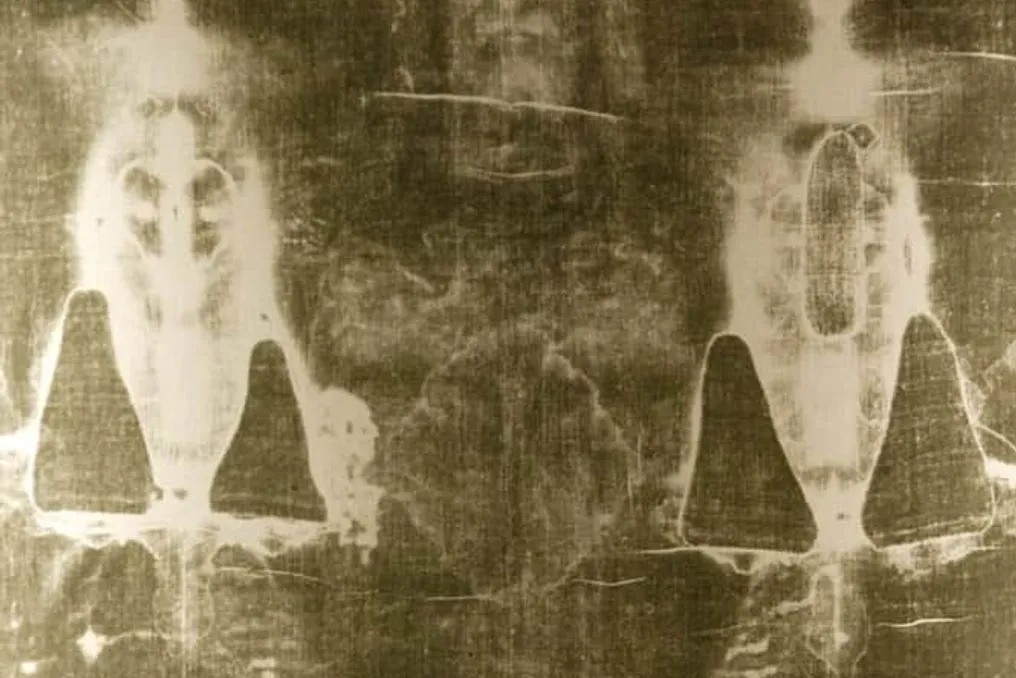
Genetic analysis of the Turin Shroud allowed for the identification of DNA from various human, animal, and plant populations that came into contact with the cloth over centuries. The study, published in Scientific Reports, represents the most comprehensive genetic examination of this artifact.
Although the results do not provide a definitive answer as to whether the shroud was used to wrap the body of Jesus Christ, they offer new insights into its movement—from human contact to repairs and environmental exposure.
The existence of the Turin Shroud has been documented in historical records since 1354. To study its history, an international group of researchers reanalyzed samples collected in 1978 by Professor Pierluigi Baima Bollone, using a combination of advanced genetic sequencing methods.
The method combines two approaches: next-generation sequencing allows for the simultaneous analysis of millions of DNA fragments, while metagenomics determines the genetic material of different organisms instead of searching for a specific species. The analysis also excluded the use of PCR, a technique for artificial amplification of DNA fragments to facilitate identification, thereby reducing the probability of distortions.
The results showed DNA from various human lineages, including populations from Europe and the Middle East, as well as animals such as dogs, cats, pigs, horses, cows, and chickens. Furthermore, traces of Mediterranean red coral, historically used in ornaments, and plants, including wheat, corn, carrots, banana, orange, peanut, and potato, were discovered.
The presence of these species helps establish chronological markers. Corn and peanuts are crops originating from America, while bananas and oranges reached Europe via later established trade routes. Based on these traces, Barcaccia and his colleagues argue that the identified contamination could not have occurred before the late Middle Ages, i.e., centuries after the travels of Marco Polo and Christopher Columbus.
"The Turin Shroud is a rich archive of genetic information accumulated over centuries of human interaction and environmental impact," stated Naomi Procopio, a forensic expert from the University of Lancashire in the UK.
A significant portion of the identified human DNA in the samples corresponded to the DNA of Pierluigi Baima Bollone, who was responsible for collecting the material analyzed in the 1970s.
In addition to genetic studies, scientists conducted radiocarbon dating on two threads taken from the reliquary box containing the Turin Shroud. The results indicated periods between 1451 and 1622 and between 1642 and 1800, which are significantly later than the origin of the shroud itself.
These intervals coincide with two known interventions: a repair carried out in 1534 following a fire in Chambéry, and another repair in 1694. Although the findings do not resolve questions about the age and authenticity of the Turin Shroud, they expand knowledge about its biological history. Researchers note that comparison with other ancient textiles and artifacts may reveal new information about the fate of this object.