VW electric vehicle owners in Germany can earn money by feeding energy back into the grid
Read more
AutoPapo
autopapo.com.br

VW electric vehicle owners in Germany can earn money by feeding energy back into the grid

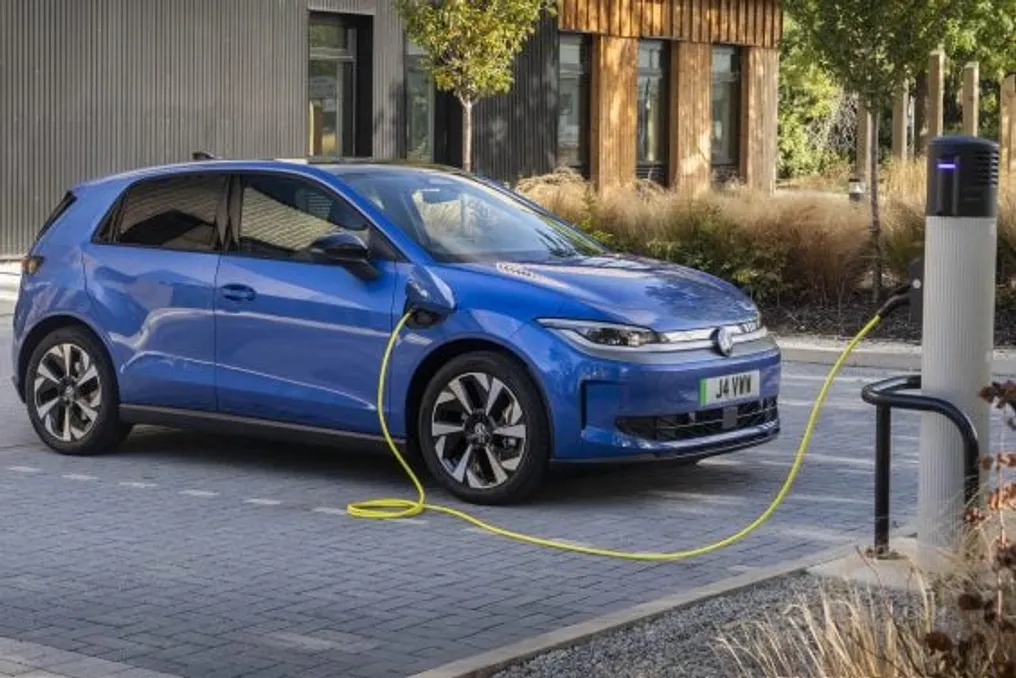
Owners of Volkswagen electric vehicles in Germany now have the opportunity to earn income by keeping their car connected to a charging station. The company Elli, an energy division of the Volkswagen Group, is launching a bidirectional charger (V2G system) that can not only supply energy to the battery but also return electricity from the electric vehicle back to the general grid.

The owner receives compensation for every hour the car is connected, even if no energy is consumed. The system is already undergoing trials with customers, and orders are expected by the end of the year.

The basic bonus is €0.24 (equivalent to R$ 1.50) per hour of operation, with a maximum limit of €60 (R$ 374) per month. This maximum is reached when the car is used for 250 hours, which roughly corresponds to leaving the car connected for about eight hours every night. Annual earnings can reach €720, or about R$ 4.5 thousand. According to the group's calculations, this amount covers travel costs of about 15 thousand kilometers in a Cupra Born (the group's electric hatchback).

Furthermore, Elli plans to pay €0.40 (R$ 2.50) for every kilowatt-hour returned to the grid. For example, if a person returns 10 kWh—which is approximately 13% of a 77 kWh battery—over 20 nights a month, they will earn an additional R$ 500 monthly, before deducting battery recharging costs.

Over a million of the group's electric vehicles in Europe are already being produced with the possibility of using this system. Grid load is characterized by fluctuations: there is an excess of solar energy at noon, while a deficit occurs in the early evening, which often coincides with the time electric water heaters are used in Brazil.

Thanks to V2G (Vehicle-to-Grid abbreviation), cars turn into large energy storage units: they charge when energy is abundant and cheap, and then release some energy during peak load hours. This helps reduce dependence on thermal power plants, which influence changes in electricity tariffs.

Theoretically, one million such cars with 11 kW chargers would collectively provide 11 GW of power, which is almost comparable to the power of the Itaipu hydroelectric plant (14 GW).

In Brazil, this concept is in the initial stages of development because there is no legislative framework allowing an electric vehicle owner to receive payment for returned energy. The first V2G test, approved by the National Energy Agency (Aneel), is scheduled in Maceió and Marechal Deodoro (Alagoas state) for 400 facilities served by Equatorial Alagoas, and will last until November 2027.
Similar stories

Heliar offers extended battery warranty for motorcycles, rule applies to older units
Read more
autopapo.com.br

Heliar offers extended battery warranty for motorcycles, rule applies to older units

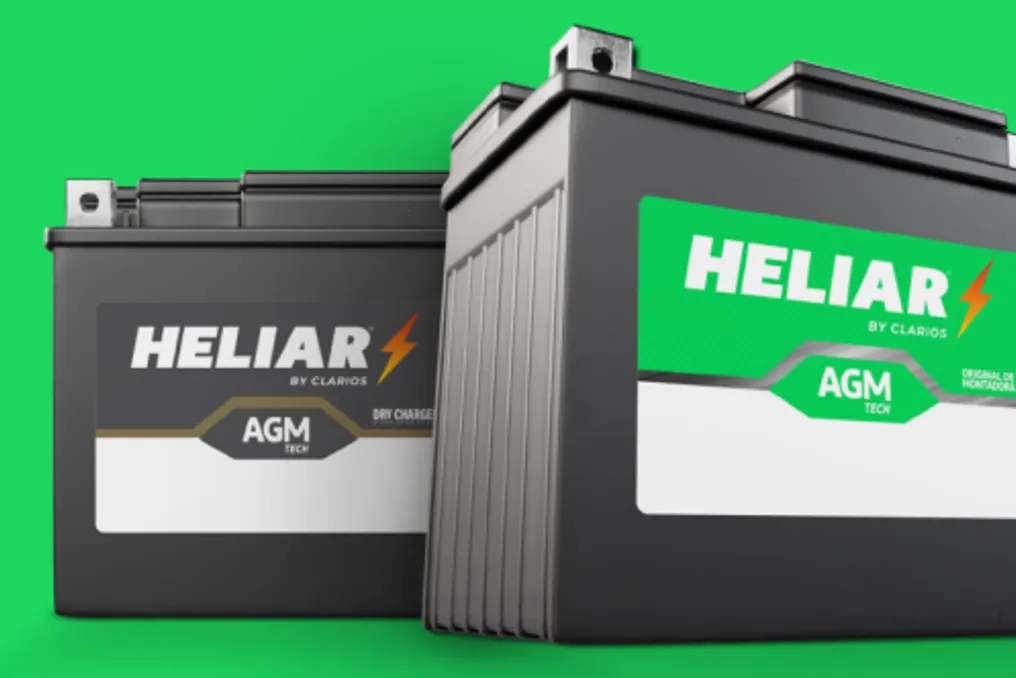
Heliar, a brand belonging to Clarios, has implemented an increase in the warranty period for its line of batteries intended for motorcycles, raising it from six to twelve months.

This change takes effect starting in November and covers the four models available in the Heliar Moto line: HE5D, HE6D, HE7D, and HE12E. According to resale catalogs, the HE6D model is used in motorcycles such as the Honda CG 160, while the HE7D serves models like the Honda CB 300 and the Yamaha Fazer 250.

The relevance of this news is significant for many motorcyclists, given that Heliar is responsible for supplying over 85% of the batteries installed in new bikes in the country. Clarios, which succeeded the former battery division of Johnson Controls, reports that its products are present in approximately one out of every three automobiles globally.

The new warranty period applies to all products sold in retail, regardless of the manufacturing date. This means that previously produced batteries already in stock at retailers will also be entitled to the extended warranty benefit. To prove this validity, the consumer sales invoice will be used, and it is recommended that the customer keep this document.

Batteries manufactured from November onwards will receive an identification seal on the packaging indicating 12 months of warranty, in addition to having the term updated on the respective certificate.

Carlos Santa, who holds the position of Head of Marketing and Strategy at Clarios, stated that this change aims to meet the needs of the sector, benefiting both consumers and commercial partners.

Regarding durability, Heliar itself points out that the useful life of a motorcycle battery can vary between one and three years, depending on how it is used. It is important to note that using accessories such as cell phone chargers, cameras, and GPS systems can increase energy consumption and consequently reduce this useful life.

It is essential to emphasize that the manufacturer's warranty supplements legal protection. According to the Consumer Defense Code, the buyer has a period of 90 days to file complaints about failures in durable goods, such as batteries.

Volkswagen T-Roc R launched with 333 hp and electric compressor similar to the Golf R
Read more
autopapo.com.br

Volkswagen T-Roc R launched with 333 hp and electric compressor similar to the Golf R

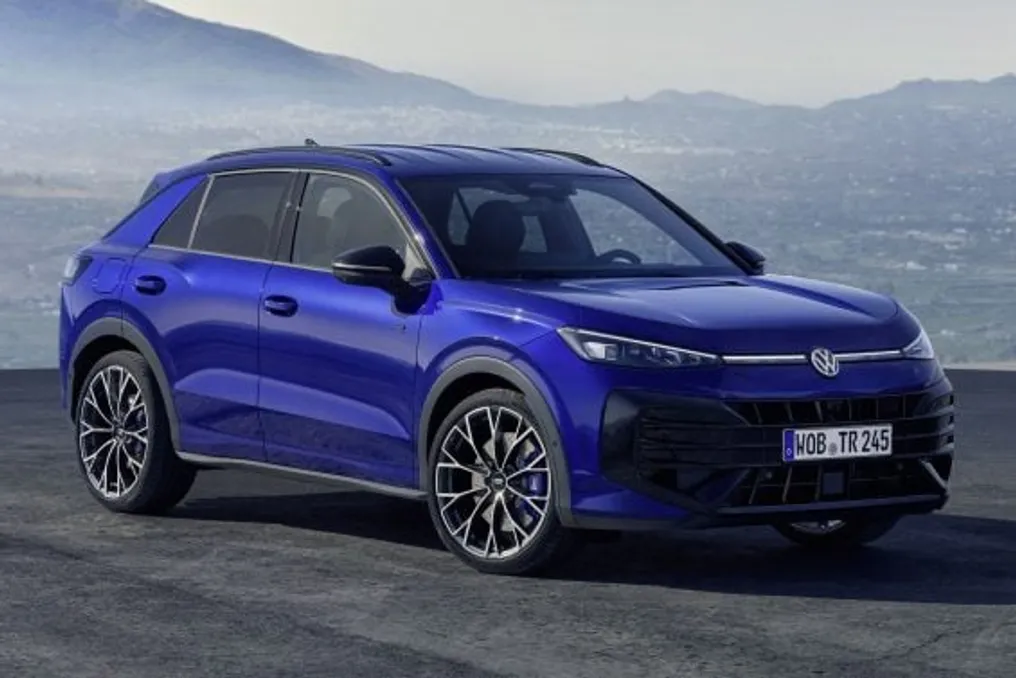
The Volkswagen T-Roc R has been relaunched, bringing a feature absent in the Golf R. This new sporty version of the second-generation compact SUV was revealed this Wednesday (18th) and represents the first vehicle from the R division to feature an electrified engine.

Pre-sales for this model began in Germany this Thursday (19th), with an initial price of 59,995 euros, which is equivalent to approximately R$ 381 thousand.

The propulsion is provided by the 2.0 turbo EA888 evo5 engine, which incorporates a 48-volt mild hybrid system. This system powers an electric compressor responsible for injecting air into the engine before the turbine reaches its operating speed.

Unlike the Golf R, which uses the evo4 version of the engine, the T-Roc R possesses this equipment. Within the Volkswagen conglomerate, this technology had already been applied by Audi in V6 and V8 diesel engines, such as the one found in the SQ7 SUV.

The maximum performance indicators are identical to those of the Golf R, reaching 333 hp and 42.8 kgfm. However, there is a distinction in how this torque is delivered: in the T-Roc R, maximum torque becomes accessible starting from 1,900 rpm, whereas in the hatchback, this point is only reached from 2,100 rpm.

The vehicle features a seven-speed dual-clutch automatic transmission and 4Motion all-wheel drive. This system utilizes the rear differential from the Golf R, which has the capacity to direct up to 100% of the force to the outer wheel during turns.

This configuration allows for the activation of Drift modes, intended for controlled slides on closed tracks, and Special mode, specifically optimized for the German Nürburgring circuit.

In terms of acceleration, the SUV manages to go from 0 to 100 km/h in 5 seconds, making it 0.4 seconds faster than its competitor, the European version of the Mini John Cooper Works Countryman. It is worth noting that the Mini is sold in Brazil for R$ 370,990, but the new T-Roc R has an acceleration time 0.2 seconds faster than the previous model.

Maintaining the tradition of the R division, the external design of the T-Roc R remains discreet. Visual details include blue brake calipers, 19-inch wheels (with the option of 20-inch forged wheels), and four exhaust outlets, which can be complemented by an Akrapovič titanium system.

Inside, a button labeled 'R' on the steering wheel allows the driver to activate Race mode. It is important to mention that the T-Roc is not available for sale in Brazil, a country where VW offers other SUVs such as T-Cross, Nivus, and Tera.

Ford Mustang Mach-E batteries maintain high capacity after five years of use, according to automaker study
Read more
autopapo.com.br

Ford Mustang Mach-E batteries maintain high capacity after five years of use, according to automaker study

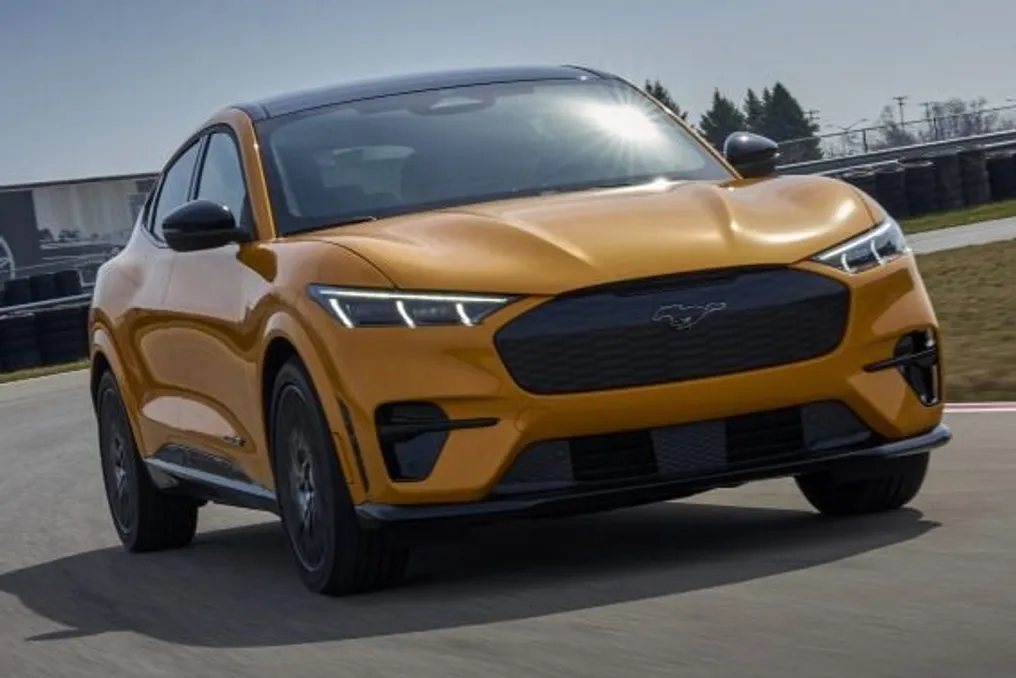
The batteries in the first models of the Ford Mustang Mach-E have demonstrated remarkable longevity, preserving an average of 92% of their original capacity even after five years of operation.

This data was revealed by Ford in a disclosure made on Monday, the 9th, based on a survey involving approximately 36 thousand units of the electric SUV, specifically the 2021 model, which was the first of the line commercialized in the United States and Canada.

The collection of this data was conducted by the manufacturer itself, utilizing the vehicles' connectivity, and reflects the useful battery capacity recorded in August of this year. In total, these automobiles traveled about 3.2 billion kilometers, with an individual average of 88 thousand kilometers.

Additionally, 95% of these vehicles managed to maintain between 87% and 97% of their initial capacity. Ford sets a goal for its battery design to last at least ten years, stating that its electric cars conserve, on average, over 90% of capacity after reaching 160 thousand kilometers.

Among the Mach-Es manufactured in 2021, more than 2,000 units have already exceeded this average capacity mark of 91%. Furthermore, over 30 cars have exceeded 320 thousand kilometers driven, showing an average retention of 88%.

The study received partial motivation from American citizen David Blenkle, who accumulated over 640 thousand kilometers using the original battery in his 2022 Mach-E model.

All examined vehicles use batteries composed of nickel, cobalt, and manganese (NCM). However, some newer Ford electric models incorporate a different chemistry, lithium iron phosphate (LFP).

Ford offers daily usage recommendations, suggesting that recharging should preferably be done using alternating current, such as that provided by a residential wallbox, reserving fast chargers only for necessary situations.

Other guidelines include preventing extreme temperatures: it is advised to climate control the vehicle while it is connected to the outlet and park it in the shade on hot days. It is also important to follow the charging limits indicated through the Ford application.

In the Brazilian market, the Mustang Mach-E has been available since 2023, exclusively in the GT Performance version, which has 487 hp. In February, Ford promoted a price reduction for the SUV to R$ 449 thousand.

Popular