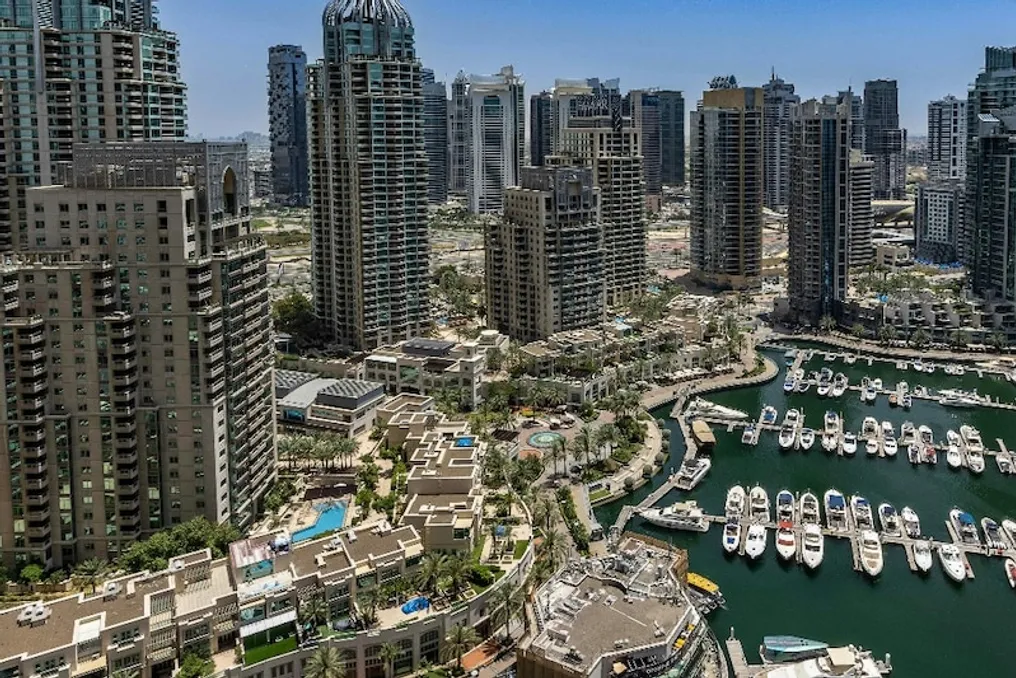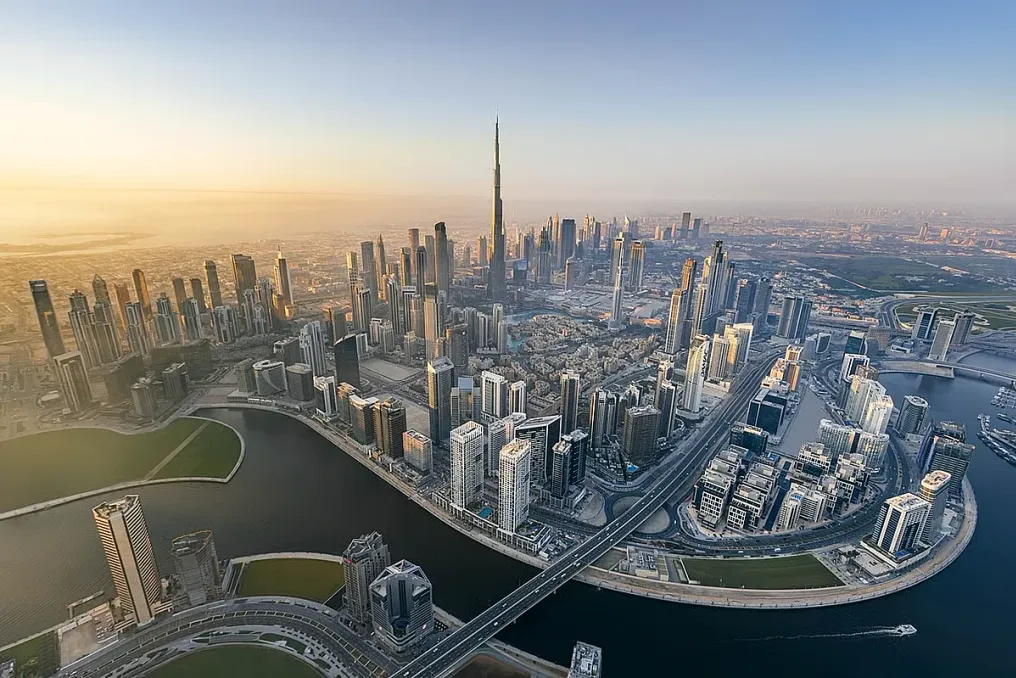
According to JLL's report on the residential market dynamics for the third quarter of 2026, declining rental rates and increased tenant bargaining power are encouraging more people to move residences in Dubai.
Milder rental conditions have shifted the balance of power in favor of tenants, giving them more opportunities to find options with a better price-to-quality ratio. As a result, the pace of contract renewals in Dubai has slowed, reaching only 2.4 percent year-on-year and 8.3 percent quarterly. Thus, in this quarter, the moving segment was growing faster than the resident retention segment, according to the real estate consulting company.
The data showed that the number of new lease registrations in Dubai increased by 48.6 percent compared to the previous quarter and by 13.7 percent year-on-year in the third quarter. The peak rental season before the start of the academic year helped increase the total number of lease registrations by 7.0 percent year-on-year.
The average rent in Dubai decreased by 5.2 percent over the 12 months ending in September. Apartment rentals fell by 5.3 percent, while villa rentals decreased by 3.0 percent.
The sales market in Dubai continued to cool down after previous peaks. The total number of transactions dropped by 37.7 percent year-on-year, driven by a 41.8 percent fall in sales of off-plan properties, as developers began adopting a more phased approach to launching projects. Secondary market sales decreased by 24.9 percent over the same period.
In the quarterly breakdown, the situation was more moderate: the 19.8 percent growth in resale transactions largely offset the 9.1 percent drop in off-plan property sales, narrowing the overall quarterly decline to 2.2 percent. Villa prices rose by 2.2 percent year-on-year, while apartment prices fell by 0.9 percent. Quarterly price declines in both segments softened to between 1.6 and 1.8 percent, compared to sharper drops of 2–3 percent recorded in the second quarter. JLL believes this may indicate a more stable pricing environment, but a return to last year's exceptional growth is unlikely.
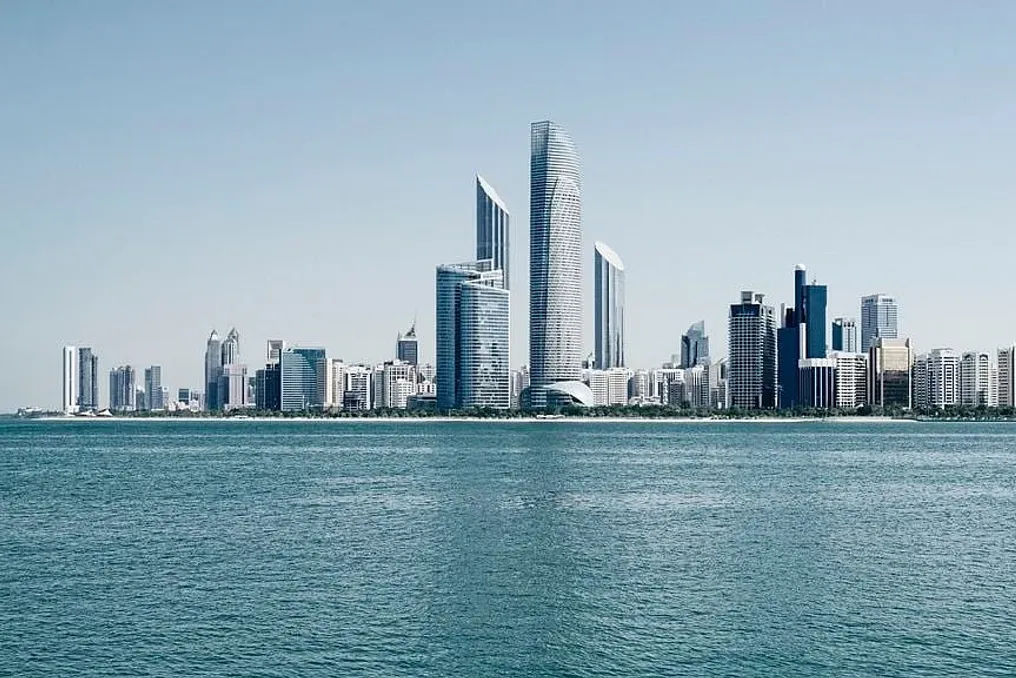
In Abu Dhabi, the total number of sales decreased by 9.6 percent year-on-year, marking the first annual decline of the current year.
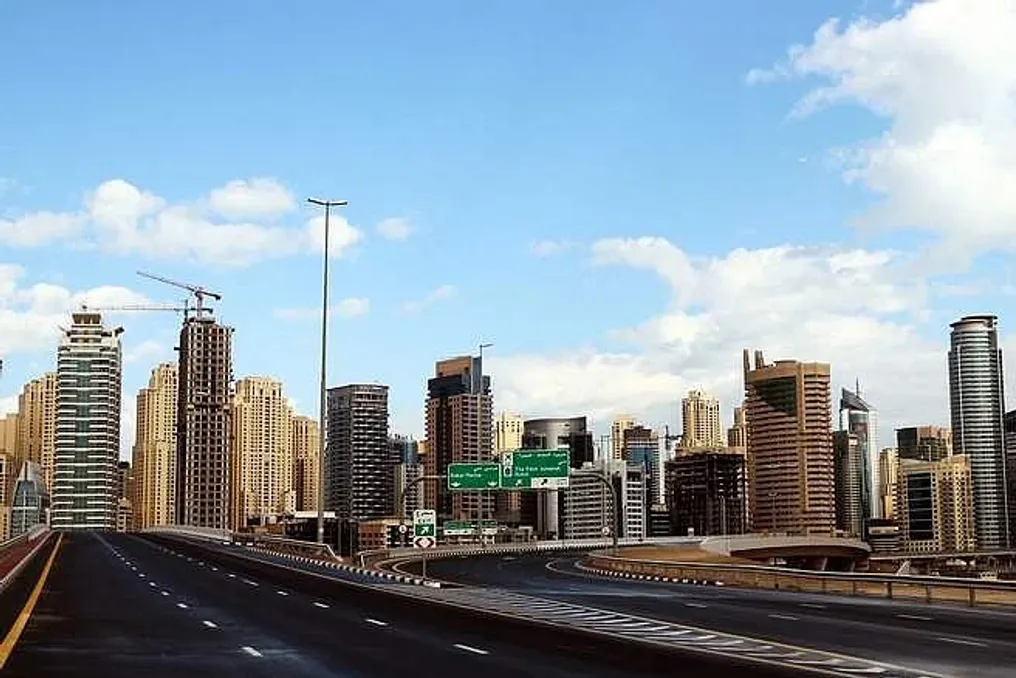
In the third quarter, Dubai delivered about 14,000 housing units, bringing the total supply to approximately 923,700. It is planned that about 17,000 units will be delivered in Dubai in the fourth quarter. The company added that projects in the final stages of construction are mostly on schedule. However, early development stages face timeline adjustments due to rising material costs and increased procurement times, and some projects launched earlier this year have postponed construction starts.
JLL notes that developers are therefore expected to focus on executing existing project portfolios, making new launches more cautious than in recent years. Developers with strong cash flows will be the most resilient to cost increases and schedule adherence. Developers heavily dependent on revenue from off-plan property sales may face difficulties in maintaining timelines.