A coalition of organizations, including Mozilla, Vivaldi, Brave, Y Combinator, Shopify, and other companies, has sent an open letter to Ursula von der Leyen, President of the European Commission. The group demands a thorough investigation into Apple regarding restrictions that hinder the use of third-party browsers on iOS.
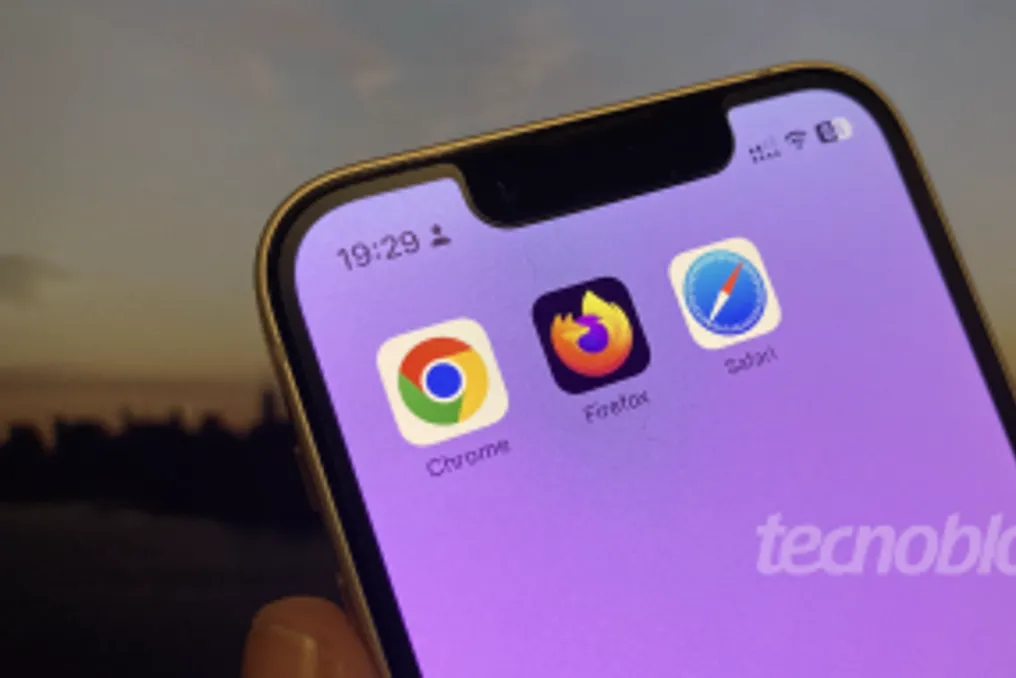
Although browsers competing with Safari on iPhone have existed for many years (such as Chrome, Firefox, Edge), the problem is that these browsers are forced to use WebKit as their rendering engine. This engine allows the browser to read web page code and display the result as interactive visual content for the user.
In contrast, on other operating systems, browsers like Chrome, Edge, and Opera use Blink because they are based on the Chromium project, while Firefox uses its own Gecko engine.
In 2024, the European Union implemented the Digital Markets Act (DMA), which aims to promote fair digital competition within the bloc. Due to numerous DMA rules, Apple was obliged to allow third-party browsers to use their own engines on iOS. However, competing companies claim in practice that Apple imposes conditions that make it impossible for these browsers to use engines other than WebKit.
The letter from Open Web Advocacy, which backs this coalition, states that more than two and a half years after the DMA came into force, no browser provider has been able to migrate its users in the European Union from Apple's WebKit to its own engine. In the coalition's view, this allows Apple to limit the capabilities of the web on iOS, keeping developers and consumers within its App Store ecosystem.
The open letter was published almost simultaneously with an explanation from Mozilla about why there is no 'pure' Firefox on iOS. The reason, it turns out, lies precisely in the restrictions imposed by Apple. The coalition primarily asks the European Commission to start the investigation into Apple as soon as possible to compel the company to actually comply with the DMA provisions. It is important to note that the letter does not call for the creation or amendment of existing legislation, but only for its actual enforcement.
Essentially, the coalition insists that European authorities take measures to eliminate the technical and legal barriers set by Apple, which will benefit not only browser providers but also companies whose business models depend on the web.
As of now, neither the European Commission nor Apple has made any statements on this matter. Nevertheless, the company previously argued that its requirements regarding browser engines are intended to maintain security and privacy parameters for iPhone users.