Nvidia was founded by three co-founders: a story beyond Geoffrey Huang
Read more
Aaj Tak
www.aajtak.in

Nvidia was founded by three co-founders: a story beyond Geoffrey Huang

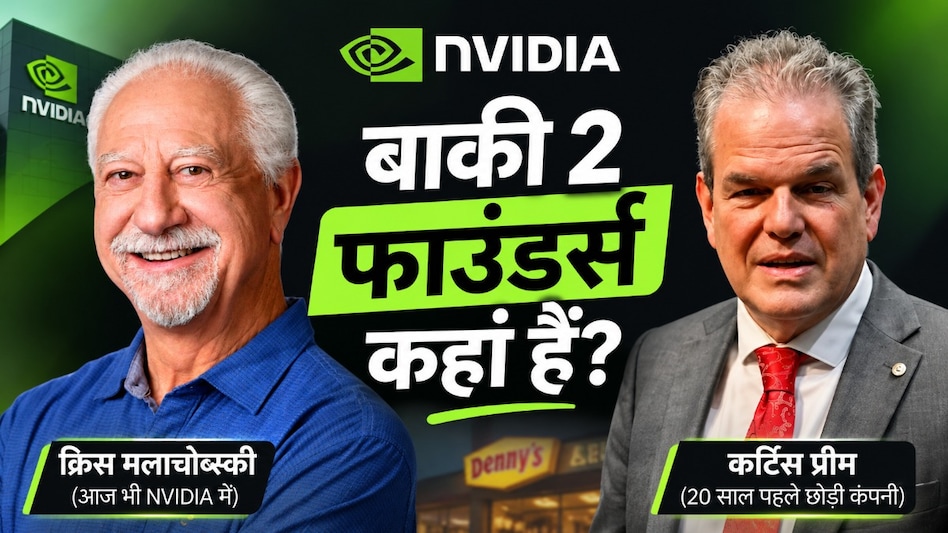
Nvidia was founded in 1993 at a table in the Denij restaurant in San Jose, California. In addition to Geoffrey Huang, Chris Malachowsky and Curtis Priem were involved in the company's establishment. Today, Nvidia is valued at approximately $400 billion, and the possibility of Huang returning as CEO is being discussed, but the lives of the other two founders have taken completely different paths.

After Geoffrey Huang was reappointed as CEO, the company has once again attracted public attention. Nvidia's strength in artificial intelligence chips and Huang's recognition are undeniable, but the history of this corporation is not the story of one person's success.

Initially, in 1993, Geoffrey Huang, along with two engineers, Chris Malachowsky and Curtis Priem, launched Nvidia. The meeting of the three people took place at a restaurant called Denij in San Jose, California. There they developed the idea of creating chips capable of providing enhanced three-dimensional graphics on computers, which subsequently became the basis for one of the world's largest AI chip manufacturing companies.

Today, the fates of two of the three founders have diverged. Chris Malachowsky continues to work with Nvidia, while Curtis Priem left the company more than two decades ago. Priem is now actively involved in philanthropy in the fields of education and research, alongside his work in the technology sector.

Chris Malachowsky is an electrical engineer. Before founding Nvidia, he worked at companies such as Sun Microsystems and Hewlett-Packard, holding positions related to engineering and technology. At Nvidia, he was not limited to chip design; from the earliest stages, he was responsible for product design, IT and operations, and also led the company's research team. According to Nvidia data, his contribution was critically important to advancing the company's core technologies and future plans.

Currently, Malachowsky holds the position of Nvidia Fellow and Senior Technical Executive Director. Public information about his assets and current stake in Nvidia is limited. In US SEC documents from 2002, he was registered as holding about a 5.2% stake, but this does not reflect his current share. Currently, there is no reliable public data on the number of his current shares or net worth.

The third co-founder, Curtis Priem, was also an electrical engineer and graphics chip designer. Before founding Nvidia, he worked at IBM and Sun Microsystems. After the company's founding, he became its first Chief Technology Officer (CTO) and held this position for about ten years. Priem decided to retire from Nvidia in 2003, reportedly due to personal reasons. He distanced himself from the company and gradually withdrew from public life.

Priem now leads a relatively quiet life in California, focusing primarily on philanthropy, scientific research, and education. He serves as Vice Chairman of the Board of Trustees of Rensselaer Polytechnic Institute (RPI). His family, the Priem Family Foundation, supports projects related to technology and education. Priem has contributed over $27.5 million to RPI since 2001, equivalent to approximately 2.548 billion rupees. He also helped promote quantum computing research at the university.

Geoffrey Huang is today the most recognizable face of Nvidia and leads the company. Chris Malachowsky remains within the company, focusing on its technical direction and future research. Curtis Priem, however, changed his path, retiring in 2003. He transferred most of his shares to charity and sold the remainder. Now his time is dedicated to working for the good of science, education, and society.

Although Geoffrey Huang's name shines brightest in Nvidia's history, the foundation of the company was laid by three engineers. Their life paths diverged, but the conversation that started at the Denij table in 1993 changed the direction of the technological world.
Similar stories

Discussion on Jeffrey Huang's return to Nvidia after 11 days of absence
Read more
www.aajtak.in

Discussion on Jeffrey Huang's return to Nvidia after 11 days of absence

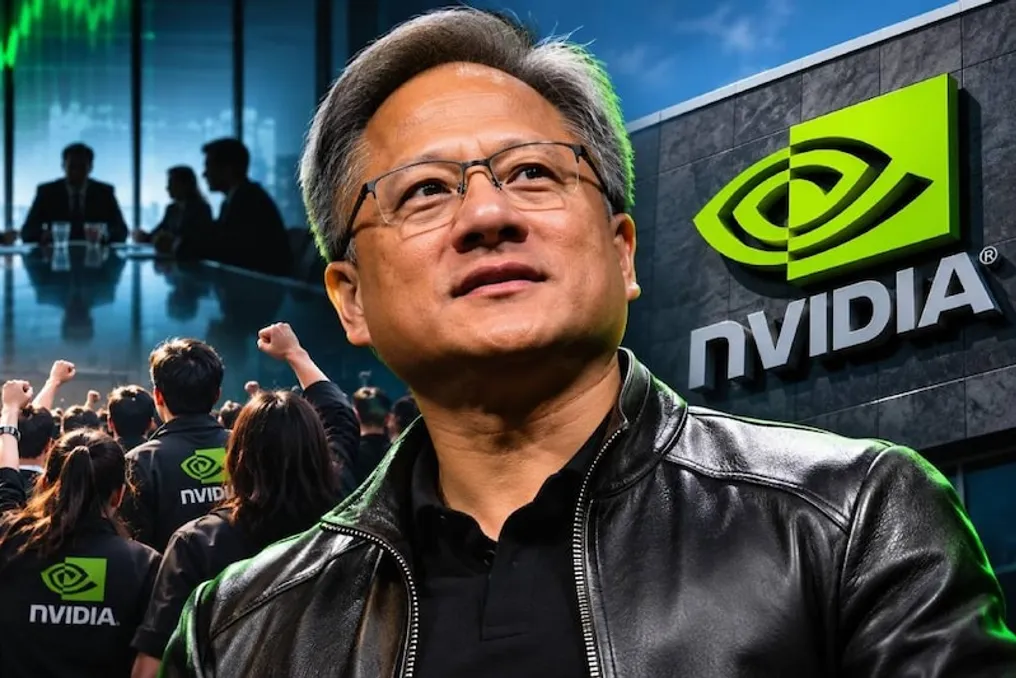
Events related to Nvidia have arisen in the technology industry that have caused significant resonance. Reports indicate that a dispute surrounding Nvidia CEO Jeffrey Huang has led to increased demands for his return in just 11 days.

The question arises as to what exactly happened at Nvidia that prompted support for Huang from both employees and prominent figures in the tech sector. Concerns have emerged regarding the company's care for its talent and business.

Employees, former employees, investors, and supporters of Jeffrey Huang sent an open letter to the board of directors. In it, they demanded Huang's return to the CEO position before the investigation concludes. Furthermore, they insisted on an impartial investigation and a clear answer from the board of directors. It should be noted that this was not an official campaign by Nvidia itself.

Concerns also surfaced within the company regarding Huang's absence. Senior Nvidia employee Nadir Khalil warned the board of directors that the company could lose experienced workers if Huang does not return. Over 1600 comments appeared on an internal post, many expressing support for Huang. Meanwhile, interim CEO Collette Kress proposed increasing salaries and providing more stock options to employees to retain them.

Jeffrey Huang founded Nvidia in 1993. He played a key role in the company gaining widespread recognition in both the gaming GPU sector and the artificial intelligence chip world. Consequently, finding another CEO appears to be a challenging task.

Despite Huang's return, several questions remain for the company. The report mentions an investigation concerning his personal relationships and alleged ties to China. Thus, the path forward for Nvidia will not be easy. Overall, this incident is related not only to the CEO's chair but also to the future of Nvidia and its dominance in the AI chip market.

Huang's supporters include notable figures such as Elon Musk, Tim Sweeney, founder of Epic Games, and Gary Tan from Y Combinator. This demonstrates Huang's significant influence in the technology industry.

Indian Woman Arti Shah Joins Nvidia Board Amid Disputes Over Jensen Huang's CEO Future
Read more
www.aajtak.in

Indian Woman Arti Shah Joins Nvidia Board Amid Disputes Over Jensen Huang's CEO Future

Nvidia, one of the world's largest artificial intelligence (AI) companies, has found itself at the center of serious scandals involving its CEO, Jensen Huang. Rumors have surfaced regarding Huang's affair with an alleged Chinese spy, as well as his connections with a company employee. These circumstances have led to speculation about a possible dismissal of Huang.

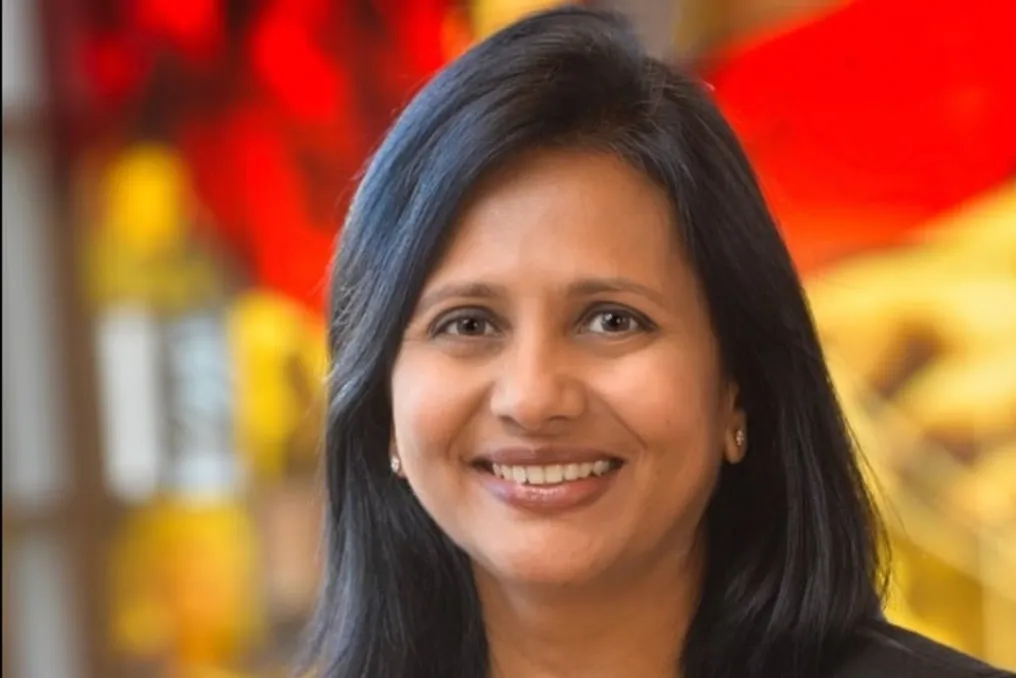
The company's board of directors initiated an independent investigation into the emerging news. In this context, the name of an Indian woman, Dr. Arti Shah, has drawn public attention. She is a member of the Nvidia board of directors and participates in two key company committees.

Arti Shah, who initially studied at Gujarat University in India, previously worked for about 27 years at the major American pharmaceutical company Eli Lilly. In the AI sector, Nvidia holds a dominant position, and the company's success is largely attributed to Jensen Huang, who founded Nvidia in 1993 and has led it ever since.

However, in November 2026, the company faced difficulties due to Huang's personal matters and serious allegations related to China. According to reports, American intelligence agencies are conducting checks on a woman with alleged ties to China, and Huang's name appears in these cases. Huang admitted infidelity to his wife, although accusations of espionage or sharing confidential company information have not yet been proven.

Dr. Arti Shah previously held positions as Senior Vice President and Chief Information and Digital Officer at the American pharmaceutical company Eli Lilly. Her experience spans not only pharmaceuticals but also areas such as technology, cybersecurity, data science, digital health, and business management.

Shah's education began in India, where she earned bachelor's and master's degrees in mathematics and statistics from Gujarat University. She later moved to the USA and obtained a PhD in applied statistics from the University of California, Riverside. Her career path demonstrates how, after receiving education in India, she reached high positions in the American corporate sector.

Shah spent a significant part of her career at Eli Lilly, one of America's leading pharmaceutical companies. She started her work at the company as a statistics specialist, then became a research scientist, and took on several leadership roles. As Senior Vice President and Chief Information and Digital Officer, she was responsible for IT, digital health, cybersecurity, data analysis, and the company's digital strategy.

Eli Lilly announced her retirement in November 2020, and Shah left the company in 2021. Nevertheless, she continued to serve on the boards of various companies and non-profit organizations afterward.

Nvidia officially included Arti Shah in its board of directors on November 9, 2020. At that time, Jensen Huang noted that Shah's experience would be beneficial to the company in the intersection of computer science and healthcare. Shah has been on the Nvidia board since 2020 and serves on the company's Audit Committee and Compensation Committee.

The Audit Committee oversees the company's financial records, internal investigations, risks, and information security. Meanwhile, the Compensation Committee monitors decisions regarding the salaries and other benefits of senior executives. Thus, Arti Shah is not just a board member but also an important figure overseeing the company's financial and administrative activities.

This is a key issue in this situation. In a statement released by the Nvidia board on November 8, 2026, the company announced the launch of an independent investigation regarding news concerning Jensen Huang. Responsibility for this investigation has been assigned to the committee of independent directors, with external independent legal experts being involved. The company also stated that it currently has no grounds to believe that...

Popular