Mahushe Shongwe Reserve in Lowveld Established on Communal Lands
Read more
Getaway
getaway.co.za

Mahushe Shongwe Reserve in Lowveld Established on Communal Lands

Near the village of Mzinti, there is a small reserve in the Mpumalanga province that combines bird watching along the river, bush safaris, and a history of nature conservation closely linked to local residents.

When visiting Mahushe Shongwe Reserve, it is recommended to bring binoculars. The seasonal Mzinti River flows through the reserve, with sycamore figs and jackberries growing along its banks. The provincial parks agency indicates that one can spot the purple-headed turaco here, which should be looked for by the red splash on its wings.

The reserve covers an area of about 1140 hectares near the village of Mzinti, in the Nkomaazi Lowveld area of Mpumalanga province. Low granite hills give way to plantations, where tamboti and russet scrub willow grow among thorny trees.

Mahushe Shongwe was established in 1986 as the first community-level nature conservation project in the former homeland of Kangwane. It was established on communal lands, and the initial agreement stipulated that the Mzinti community would share income from wildlife meat sales with the then Mpumalanga Park Board.

The perception of this agreement varied from person to person. According to a 2007 study by geographer Brian H. King, some Mzinti residents pointed to opportunities for employment, education, and development. For households dependent on communal lands for grazing livestock or collecting resources such as firewood, access to these resources was also important. The study showed how differently neighbors could perceive the same reserve.

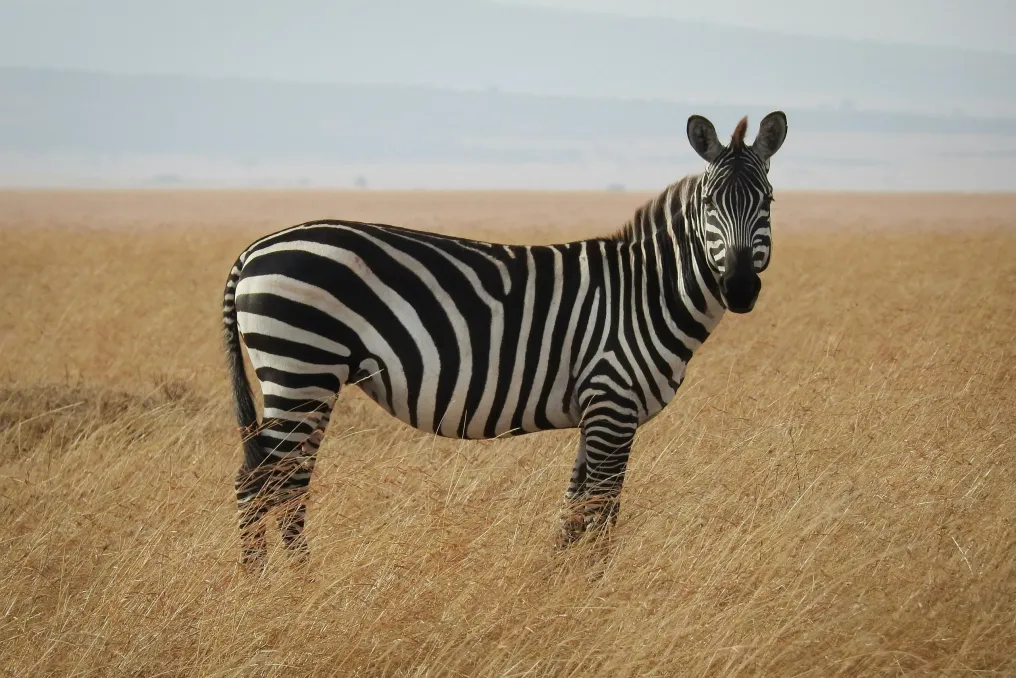
Animals such as kudu antelope, buffalo, impala, and zebra have been reintroduced in Mahushe Shongwe. Nyala, warthogs, and vervet monkeys are also recorded here. If you are traveling with children, you can suggest something simple to look for between sightings: zebra stripes or a warthog's standing tail can turn a quiet safari section into a game.

The Mpumalanga Tourism and Parks Agency offers safaris, bird watching, and picnic and barbecue areas. To clarify operating hours, entrance fees, and safari arrangements, please call 013 065 0859 or write to reservations@mtpa.co.za. If you wish to stay overnight, inquire about the Mtomeni camp when calling. The agency's annual report for 2025/26 notes the appointment of an operator and plans to increase the number of cabins and campsites.

If you are planning a trip to the Lowveld, dedicate the morning to Mahushe Shongwe. Bring breakfast and see what appears among the thorny trees and by the river. Then, driving through Mzinti, you will learn more about the village and why it is part of the history of this scrubland area.
Similar stories

Sandveld Reserve: Meeting Point of Free State Bushveld and Bloemhof Dam
Read more
getaway.co.za

Sandveld Reserve: Meeting Point of Free State Bushveld and Bloemhof Dam

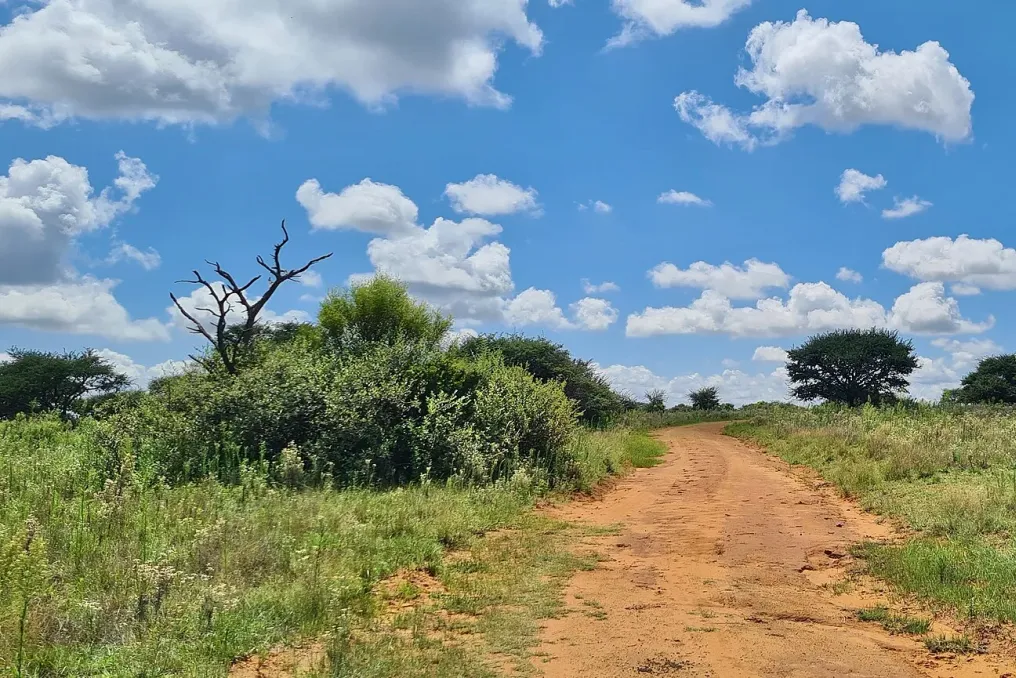
If you are planning to spend the weekend at Sandveld Reserve, set aside at least one morning to explore the dirt road routes. On the side of Bloemhof Dam, where the Vaal and Vredefort rivers meet on the border of the Free State, you can start a walk among the Camelthorn trees and reach the water even before your coffee cools down.

It is recommended to move slowly. Near the camp, you might notice a flash of red color, which could be a crimson-breasted swift, and the quietly standing Goliath heron near the dam might go unnoticed if you drive past too quickly.

The sandy soil gave Sandveld its name, and the dirt roads pass through the Kalahari thorn bush, open grasslands, and Karoo shrub areas. While driving, pay attention to the Camelthorn trees; large nests of social weavers are in their branches. If you are lucky, you might see a Verre owl perched on top of one of them.

There is also much to observe at ground level: giraffes, zebras, and blue antelope inhabit this area, as well as sabelline and roan antelopes. When the trees part, it is worth stopping to watch the movement in the grass.

From the main camp, you can turn north along the dirt road by the shore. If the water has receded enough to expose a strip of mud or sand, look for three-banded plovers moving along the edge. Further on, you can spot great egrets, and in summer, keep an eye out for arriving sandpipers. What you see partially depends on the dam level, so the same stretch of shore may look different with each visit.

If you prefer to spend the morning fishing, carp and barbel are found in the dam.

The entrance to the reserve is on the R34 highway between Hoopstad and Bloemhof, approximately 10 km from Bloemhof. The province offers accommodation options: self-catering chalets and electric campsites, as well as unconnected spots along the shore. You must bring your own food, as there are no shops in the reserve. For bookings and visitor information, please refer to the official Sandveld Reserve website.

If you are staying overnight, leave some time before departing to survey the surroundings of the camp once more. You might see a Kalahari scrub robin or hear the cry of an African fish eagle from the dam. And if that is enough to return along the shoreline for one last look, that would be even better.

Nvanedi Nature Reserve in Northern Limpopo: Waterfall and Two Dams
Read more
getaway.co.za

Nvanedi Nature Reserve in Northern Limpopo: Waterfall and Two Dams

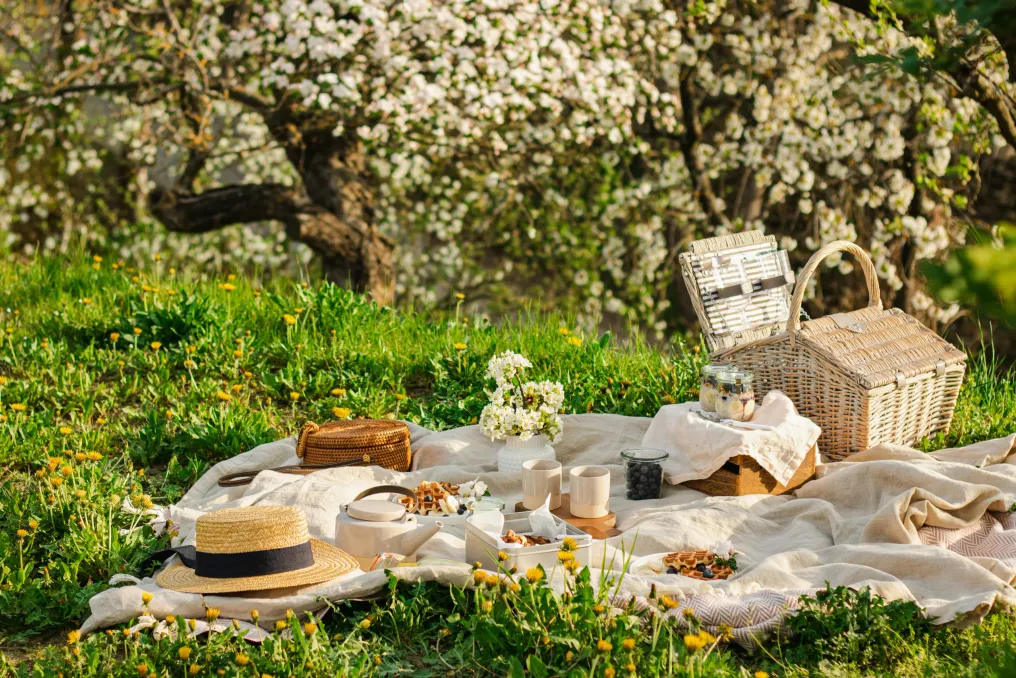
There are many reasons to spend time at Nvanedi Nature Reserve, such as bringing a packed lunch. The Nvanedi and Luphefe dams are located near each other in the forested foothills of Soutpansberg, and a picnic allows you to sit by the water for a long time, observing the activity on the bank. There is also a waterfall here called Tshihovhohovho Falls.

Tshihovhohovho Falls

Nvanedi is located east of Tshipise and north of Tohoyando, in the Limpopo area, where rocky peaks rise above forested slopes. Both dams were created in 1964. Each has its own mountain stream, and the reservoirs are connected by a canal. The Nvanedi and Luphefe rivers meet inside the reserve. Some of this water is used for local farm needs and is also vital for wildlife.

The dams are a good place for birdwatching with binoculars. It is worth periodically looking up from the water. The Limpopo Wildlife Resorts agency points to the rocky peaks as a habitat for raptors. Closer to the ground, you can spot fibrous trees, yellow trees, and ferns—details that can be observed if you free up the second half of the day.

Limpopo Wildlife Resorts offers visitors opportunities for picnics, camping, and fishing in Nvanedi. Since the tender for reconstruction work was announced in July 2026, it is recommended to call 015 293 7339 or 015 293 8766 before your trip to clarify information about daily entry, gate operating hours, and available amenities. If you are heading to Tshihovhohovho Falls, you should ask about the visitor route and whether the waterfall is flowing.

The waterfall provides another reason to stay in the foothills. An old guide mentions a hiking trail to the waterfall, so if access is confirmed, the author advises starting with a walk to the waterfall and leaving the dams for later. A walk followed by lunch in a spot where you can observe the water for a while seems like a good way to spend the day in this part of Limpopo.

The afternoon should be dedicated to watching the shoreline through binoculars. If you are staying near Tshipise or Tohoyando, this is enough to dedicate Nvanedi to the afternoon.

Popular