The head of Iran's Research Institute for Cultural Heritage and Tourism warned that inappropriate construction and poorly planned interventions are gradually undermining the traditional architecture and historical identity of the Havarman (Uramanat) region, which is a UNESCO World Heritage site in western Iran.
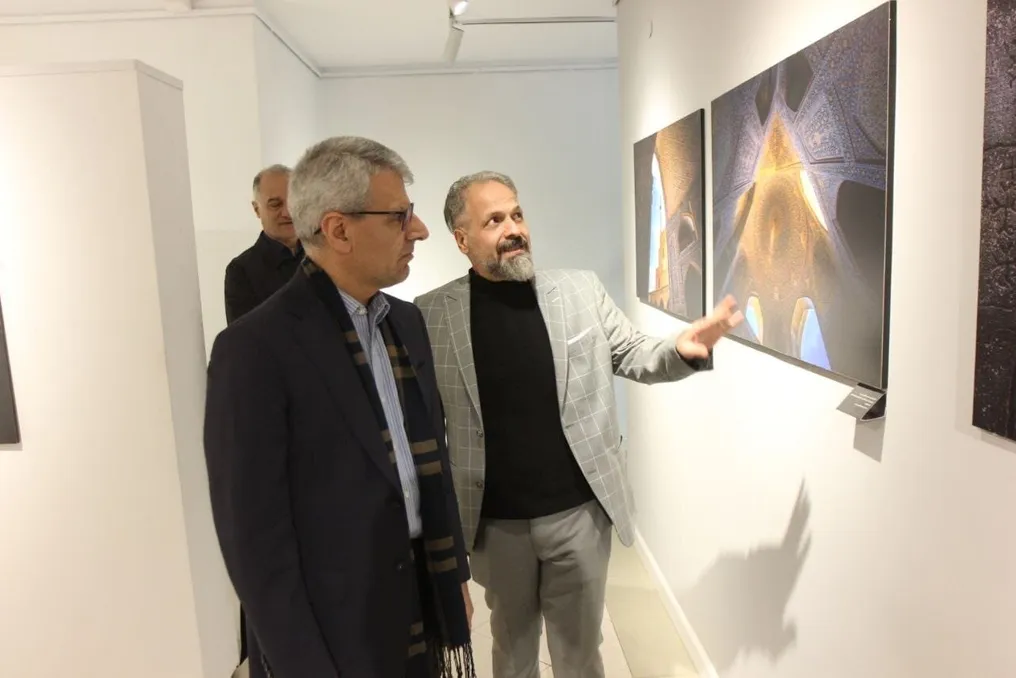
Mohammad-Ebrahim Zarei raised these concerns at a meeting titled 'Havarman: The Uramanat Cultural Landscape,' held on Monday, November 23, attended by researchers and experts in the field.
He noted that extensive changes to the historical structure of villages and towns across Iran, particularly in Kurdistan province, have damaged traditional architectural features and weakened the distinctive character of local settlements.
According to the Iranian Students' News Agency (ISNA), Zarei stated that 'in many of these areas, the architecture and natural environment that once defined their unique identity are no longer visible.'
He characterized the preserved historical buildings as valuable examples of local architectural knowledge and the adaptation of human settlements to the natural environment.
Zarei criticized new construction in villages in the Kurdistan region, arguing that buildings that do not conform to local architectural and ecological characteristics have, in some cases, replaced traditional structures under the guise of improving public facilities.
He warned that such interventions carry the risk of destroying architectural identity and disrupting the integrity of historic village settlements.
The university professor emphasized that development projects in heritage zones must be based on an understanding of traditional settlement patterns and cultural practices. He cited the specific functions of district mosques, central mosques, and prayer grounds as architectural and social elements that should be considered before making changes.
Furthermore, he called on heritage protection authorities to establish clear building codes for areas of high architectural value and to integrate the protection of historical buildings with public education. According to him, new buildings must be designed in accordance with the local architectural traditions of each region.
Zarei also expressed concern about the impact of large-scale construction of high-rise buildings on the historical silhouette of Mashhad and the visual significance of Imam Reza's shrine. He noted that previously pilgrims could see the dome and complex of the shrine from different parts of the city, but the erection of towers and large buildings increasingly obstructs these views.
He stressed that regional architecture reflects the historical, cultural, and ecological identity of local communities, urging heritage officials and specialists in the Kurdistan and Kermanshah provinces to strengthen cooperation to protect the country's traditional architecture.
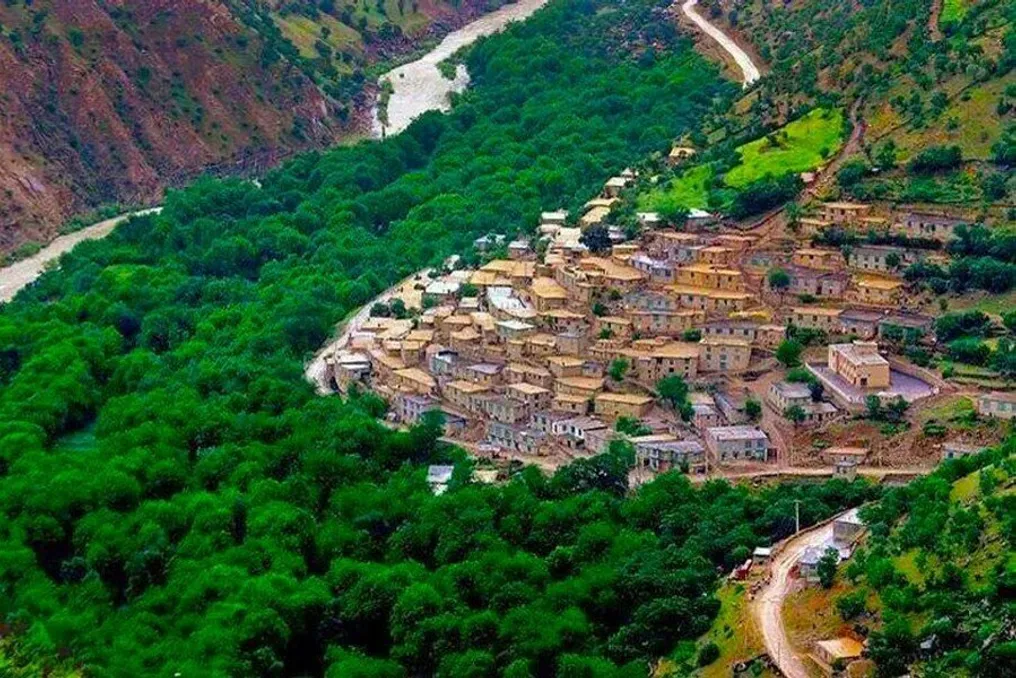
The Havarman/Uramanat cultural landscape, covering parts of Kurdistan and Kermanshah provinces in western Iran, was inscribed on the UNESCO World Heritage List in 2021.
Located in the Zagros Mountains, this region is home to the Havrami people, a Kurdish community whose agro-pastoral traditions and settlement patterns have evolved over millennia in response to harsh mountain conditions.
The UNESCO site covers approximately 409,000 hectares, including 106,000 hectares of core area and 303,000 hectares of buffer zone. Its main components include the Javarud, Takht, and Lahun valleys.
The landscape is characterized by terraced villages, steep slope architecture, dry-stone agricultural terraces, livestock rearing, and seasonal migration between highland and lowland settlements. Twelve villages within the registered site demonstrate how the Havrami people have adapted their way of life to the scarcity of arable land and challenging mountainous conditions.