Minister emphasized Iran's application to include 9000-year-old archaeological site in UNESCO World Heritage List
Read more
Tehran Times
www.tehrantimes.com

Minister emphasized Iran's application to include 9000-year-old archaeological site in UNESCO World Heritage List

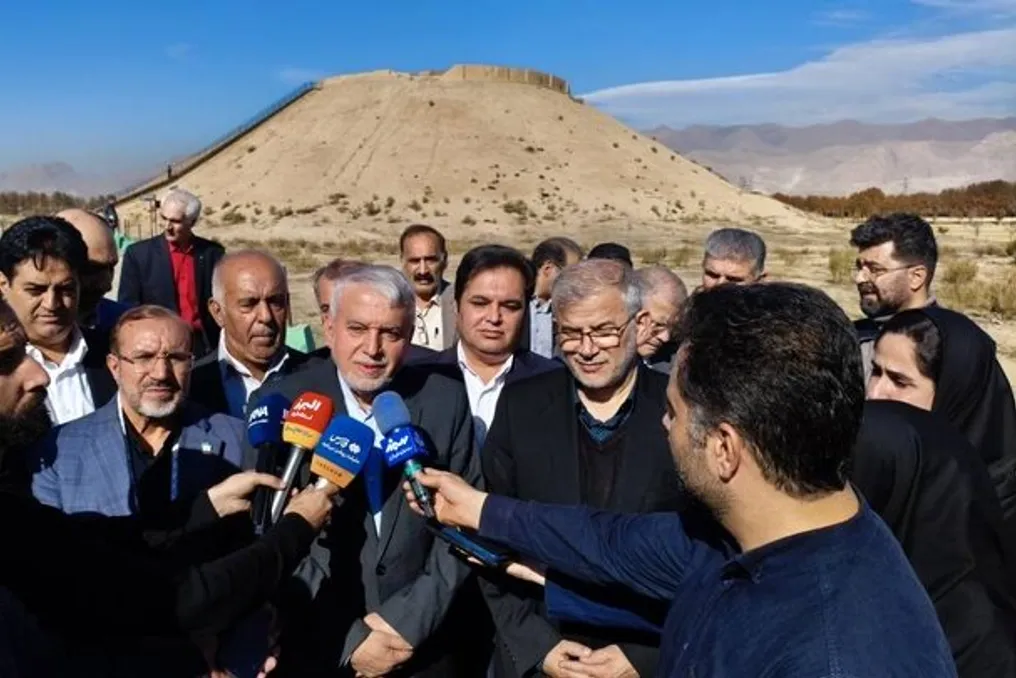
The Minister of Cultural Heritage, Tourism and Handicrafts, Seyyed Reza Salehi-Amiri, stated on Tuesday that Iran plans to create a special working group to prepare the Tepe Ozbaki archaeological site in Alborz province for a possible nomination to the UNESCO World Heritage List.

Speaking during a visit to the site in the Nazarabad district, west of Tehran, the minister noted that Tepe Ozbaki has the potential to become one of Iran's outstanding nominations to the World Heritage list due to its archaeological findings and significance for understanding the country's ancient civilizations.

He announced that an organized working group, involving national and provincial authorities, archaeological researchers, and other interested parties, will be formed to coordinate the scientific, environmental protection, and administrative preparatory work required for the application.

Salehi-Amiri told reporters that 'Tepe Ozbaki is one of the important centers of civilization in the history of Iran,' adding that eight seasons of excavations at the site have provided valuable evidence of its historical and cultural significance.

Archaeological research has revealed historical layers dating back to the Median period, and evidence related to the Achaemenid period has also been discovered.

Nevertheless, the minister stressed that obtaining World Heritage status will require conducting additional research, conservation measures, and completing all necessary legal and technical procedures before the site can be submitted to UNESCO.

Tepe Ozbaki, located near Nazarabad, approximately 80 kilometers west of Tehran, is an important prehistoric archaeological monument. It is believed that its ruined settlements date back approximately 9000 years, and the excavated remains cover several millennia of human habitation, from the 7th millennium BCE to the 1st millennium BCE.

Archaeological discoveries at the site also indicate connections with other ancient centers in Iran. According to senior Iranian archaeologist Yousef Majidzadeh, who supervised excavations at Tepe Ozbaki and other archaeological sites, the findings, including tablets, statuettes, and characteristic pottery, testify to possible trade links between this area and Susa in the southwestern province of Khuzestan.

Salehi-Amiri also highlighted the role of private donations in protecting the country's cultural heritage, mentioning a benefactor who donated the entire archaeological site to the people of Iran without demanding financial compensation. He called for greater public recognition of such initiatives, stating that highlighting the contribution of individuals to heritage preservation can stimulate broader public participation in protecting historical sites.

Furthermore, the minister described Alborz province as an important center for tourism and handicrafts, asserting that its historical and archaeological resources deserve more attention alongside its better-known natural and industrial attractions. He noted that provincial authorities and the Ministry of Cultural Heritage will cooperate to strengthen the protection and promotion of the province's historical sites.
Similar stories

Sarmyshay Petroglyphs in Uzbekistan are preparing for inclusion in the UNESCO World Heritage List
Read more
podrobno.uz

Sarmyshay Petroglyphs in Uzbekistan are preparing for inclusion in the UNESCO World Heritage List

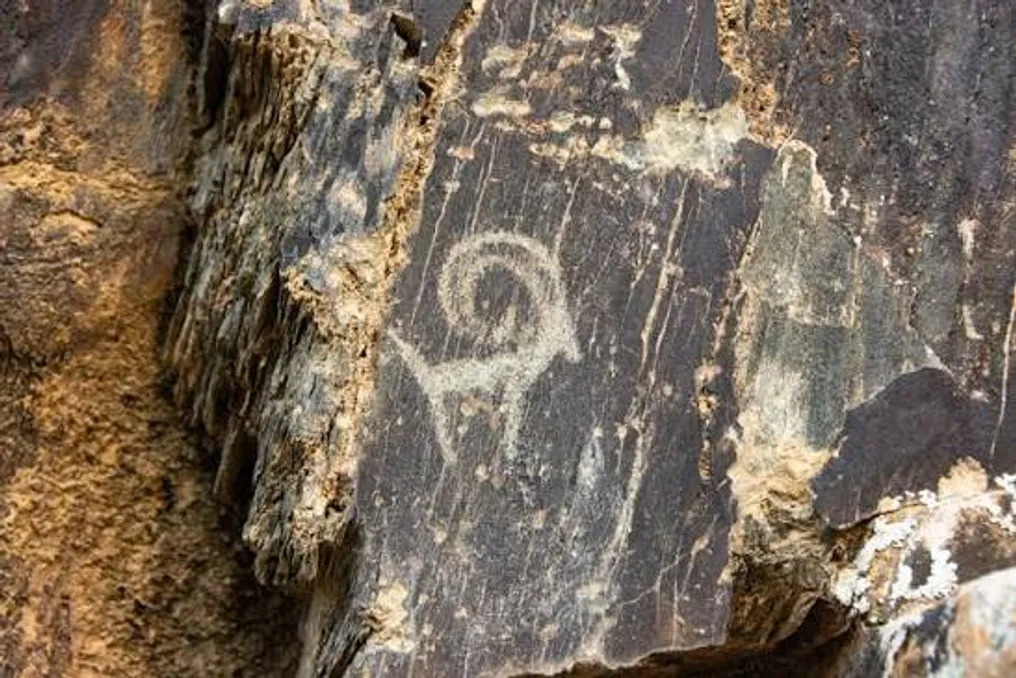
Uzbekistan is preparing the necessary documentation to nominate the Sarmyshay petroglyphs for the UNESCO World Heritage List. This well-known rock art monument of the country is considered an object possessing both cultural and natural value.

The nomination for 'Sarmyshay Petroglyphs' was discussed during an online meeting organized by the Permanent Representation of Uzbekistan to UNESCO. Benjamin Smith, President of the International Committee for Rock Art of ICOMOS, as well as a professor of archaeology from the University of Western Australia, participated in the discussion.

Representatives from several Uzbek structures joined the dialogue: the National Commission of Uzbekistan for UNESCO Affairs, the Fund for the Development of Culture and Arts, the Agency for Cultural Heritage, the National Committee on Ecology and Climate Change, and the Khokimiyat of Navoi Region.

Sarmyshay, located in the Navoi Region, is recognized as one of the largest rock art sites in Uzbekistan. The petroglyphs in this area reflect various historical periods and hold high significance for the study of Central Asian cultural heritage.

One of the central issues was considering the possibility of submitting an application for Sarmyshay as a mixed World Heritage site. This approach would allow for the consideration of not only ancient drawings but also the unique natural characteristics of the area.

According to Benjamin Smith, this monument possesses significant historical and cultural potential, and previous research confirms its importance for the future nomination. However, a further study of the region's natural features is required to formalize the mixed nomination.

Experts also closely examined the UNESCO criteria required for granting World Heritage status. Topics discussed included conducting a comparative analysis with similar sites, defining precise boundaries and protection zones, and developing a long-term management and preservation plan for the petroglyphs.

As a result of the meeting, participants agreed to continue joint work on the dossier, exchange scientific data, and conduct additional consultations with international experts. The preparation of all materials will be carried out in accordance with UNESCO standards and international norms in the field of cultural heritage protection.

Previously, 4.2 billion soums were allocated from the state budget to improve the tourist and protective infrastructure of Sarmyshay. These funds allowed for the construction of two entrances, the erection of information centers, the laying of a 2.5-kilometer pedestrian path to the petroglyphs, and the installation of lighting, shelters, and a video surveillance system. Additionally, 1.2 billion soums from the Agency for Cultural Heritage Fund were directed towards creating a visitor center and a control point.

Iran to present three intangible heritage nominations at UNESCO meeting in China
Read more
www.tehrantimes.com

Iran to present three intangible heritage nominations at UNESCO meeting in China

Iran intends to submit three applications for inclusion in the UNESCO Intangible Cultural Heritage lists at the 21st session of the Intergovernmental Committee for the Safeguarding of the Intangible Cultural Heritage. This meeting is scheduled for November 30 – December 5 in the city of Xiamen, China.

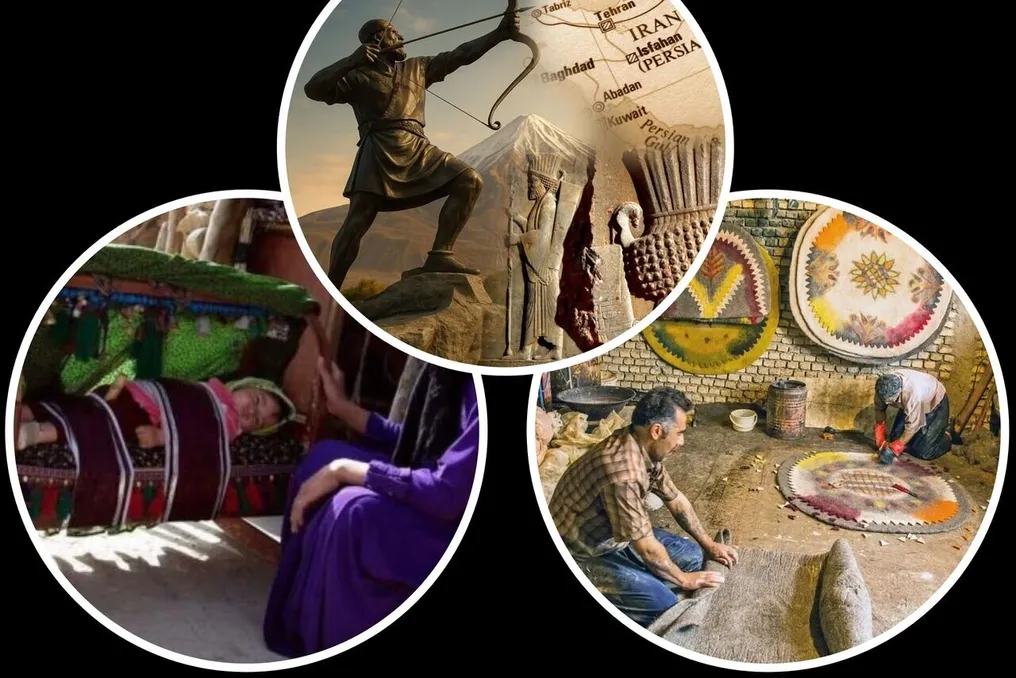
These nominations cover the traditional celebration of Tirgan, dedicated to water and rain; the traditions of lullabies and singing for children; and the traditional art of felt making. This was reported by Hassan Fartusi, Secretary-General of the Iranian National Commission for UNESCO.

In an interview with the IRNA agency on Wednesday, Fartusi specified that the Tirgan nomination was prepared jointly with Armenia, and the package of documents for lullabies and singing for children will be presented jointly with Turkmenistan.

He described the lullabies as a cultural heritage passed down from generation to generation and expressed hope that all three applications will receive recognition from UNESCO.

Fartusi also noted that representatives from the Iranian National Commission for UNESCO, the Ministry of Foreign Affairs, and the Ministry of Cultural Heritage, Tourism, and Handicrafts, as well as experts who participated in preparing these dossiers, will attend the meeting.

Currently, Iran has 27 elements and programs registered in the UNESCO Intangible Cultural Heritage lists. According to Fartusi, if all three new nominations are approved, the total number will reach 30, placing Iran fourth in the world in terms of registered elements and programs.

Iran's latest entry is the traditional art of mirror mosaic in Iranian architecture, which was added to the UNESCO Intangible Cultural Heritage list in 2025.

The country's internationally recognized intangible heritage includes a wide range of traditions, performing arts, crafts, rituals, and traditional knowledge passed down through generations.

Among the most famous entries are Nowruz, the Persian New Year; the festivals of Mehregan and Sade; the Night of Yalda; traditional wrestling and Zarkhaneh rituals; Ta'zieh, a form of religious theatrical performance; Naqqali, traditional Iranian storytelling; and Radif of classical Iranian music.

Other included elements include the music of Bahshi performers from Khorasan, the art of making and playing the dotar and kamancheh, the traditional game Chogan, and miniature painting art.

Iran's intangible heritage also includes the skills of traditional carpet weaving in Fars and Kashan, the Kalishuyan ritual in Mashhad-Ardehal, traditional Iranian shipbuilding and navigation skills in the Persian Gulf, and cultural practices related to the preparation and exchange of traditional bread.

The list additionally includes illumination art, Turkmen handicrafts, the traditional skill of making and playing the oud and rabab, traditional sericulture and silk production, and pilgrimage to St. Thaddeus Monastery.

In addition to individual heritage entries, Iran's national program for preserving traditional calligraphy was included in the UNESCO Register of Best Practices for Preservation in 2021.

Naqqali and the traditional skills of building and navigating Iranian Lenge boats are also listed in the UNESCO List of Intangible Cultural Heritage in Need of Urgent Safeguarding.

Rafsanjani Presidential Museum Added to Iran's National Heritage List
Read more
www.tehrantimes.com

Rafsanjani Presidential Museum Added to Iran's National Heritage List

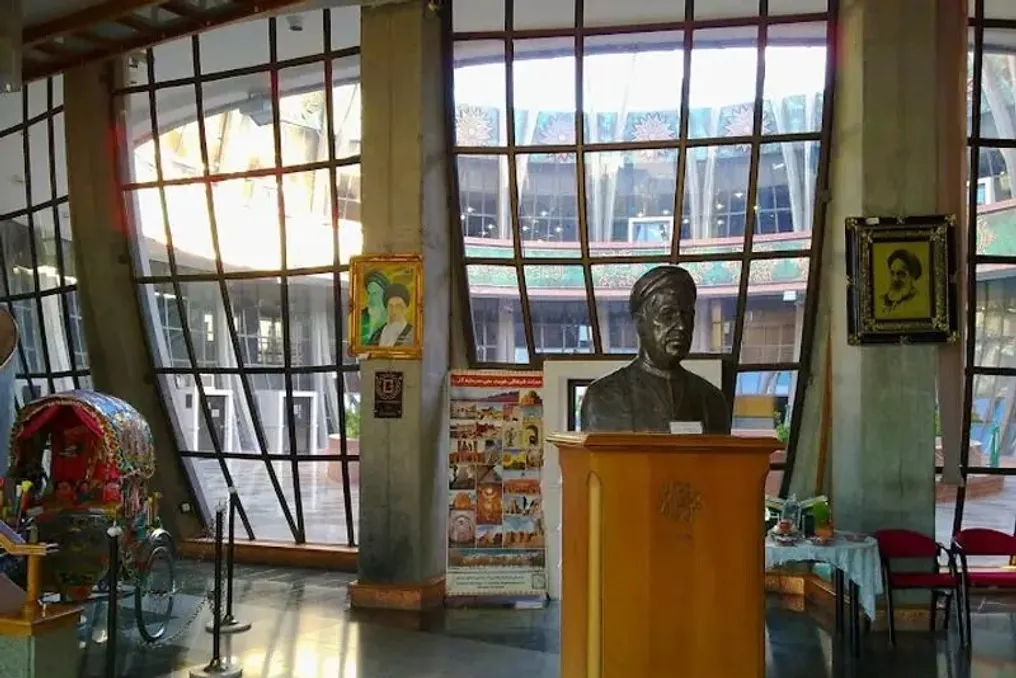
The head of provincial tourism announced that the building housing the document center, library, and Akbar Hashemi Rafsanjani Presidential Museum in Rafsanjan city, Kerman province, has been included in Iran's national heritage list.

Seyed Moayyad Mohsennejad stated on Tuesday that the building received registration number 34569 after the completion of preparing the registration dossier and its approval by the National Council for Heritage Registration.

He emphasized that such inclusion recognizes the national and historical significance of the building, adding that state registration plays a key role in identifying, documenting, and protecting the country's cultural and historical values.

Mohsennejad noted that registering heritage sites goes beyond simply preserving individual buildings; it is a way of preserving historical memory and cultural identity, as well as passing these assets on to future generations.

Furthermore, he added that accounting for historically significant places and structures can stimulate increased attention to their cultural and historical potential, supporting the development of cultural tourism in Kerman province.

The Rafsanjani Presidential Museum was established to collect and preserve official and unofficial gifts presented to the Iranian government by individuals, organizations, and foreign states during Ayatollah Akbar Hashemi Rafsanjani's presidency from 1989 to 1997.

The museum's collections include items of national importance and documents related to Iran's diplomatic relations. These materials are considered part of the nation's documentary heritage and are under the supervision of the National Library and Archives of Iran.

The building itself has three main floors and two mezzanines, with a total area of about 5000 square meters. The architectural design incorporates a sphere and a cube, with most of the usable space located between these geometric forms, except for part of the basement under the central courtyard.

Popular