The new flagship smartphone iQOO 16, equipped with an 8400 mAh battery and a triple 50MP camera system, may debut in the Indian market in December 2026. Previously, a promotional page for this device appeared on Amazon before being removed. The phone has already been introduced in China, where it boasts impressive specifications, including an 8400 mAh battery, a 165Hz screen, and three rear 50-megapixel cameras.
Interest in the iQOO 16 in India increased after news surfaced about its page on Amazon India. This page was reported by technology analyst Pars Guglani. Nipun Maraya, Head of iQOO India, had previously confirmed that the iQOO 16 would be released in India, and the company showcased the device at India Mobile Congress 2026. According to the latest data, the launch is expected in December.
Some sources suggest that device teasers might appear in the first week of December, with the actual launch slated for the second or third week of the month, with specific date predictions between December 15th and 17th. However, iQOO has not yet confirmed any dates.
Another feature is the possibility of the device launching in India running OriginOS 7, based on Android 17. If this occurs, the iQOO 16 will become one of the company's first devices with this operating system, which was also mentioned in the Amazon microsite report.
A key feature of the iQOO 16 is its processor. The company has confirmed the use of the Qualcomm Snapdragon 8 Elite Extreme Gen 6 chip for the model intended for India. This chip is manufactured using 2nm technology and has a maximum clock speed of 5.01 GHz. To enhance the gaming experience, the phone includes a dedicated Q4 chip that helps optimize graphics and performance during games. Furthermore, the device is equipped with a liquid cooling system in the form of an 8500 square millimeter vapor chamber, which aids in efficient heat dissipation during extended gaming sessions.
The Indian version of the phone was spotted on Geekbench. According to the report, it was configured with 12GB of RAM and ran on Android 17. In Geekbench tests, the phone scored 2944 in the single-core test and 1029 in the multi-core test.
The Chinese version of the iQOO 16 features a 6.85-inch 2K AMOLED display. It utilizes Samsung's M16 panel and supports a 165Hz refresh rate. This means the image can refresh 165 times per second, providing smoother display during scrolling and in dynamic games. The phone also has a touch sampling rate of up to 5000 Hz, which is critical for fast response times in games.
The maximum brightness of the display in high brightness mode is 2800 nits, and the anti-glare coating helps reduce reflections from bright lighting.
One of the main advantages of the iQOO 16 is its 8400 mAh battery, setting it apart from many expensive smartphones that typically use batteries around 5000 mAh. Such a large capacity is attractive to users who actively use the internet, watch videos, or play games. Despite the large capacity, the phone supports 100W wired fast charging and 40W wireless charging.
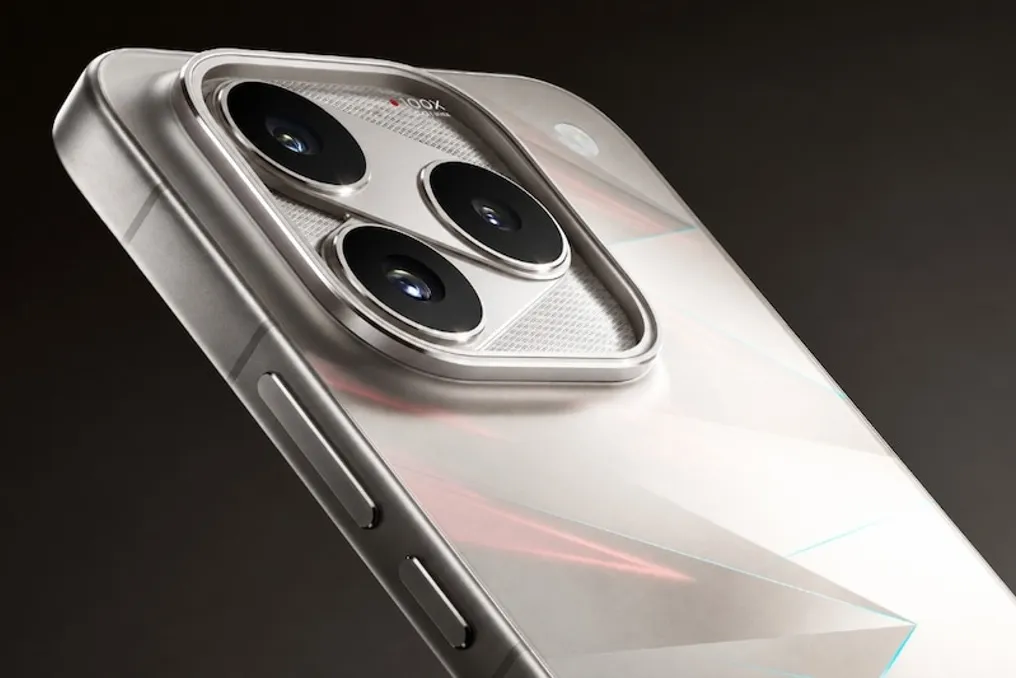
The camera of the iQOO 16 is also distinguished by powerful hardware. The Chinese model is equipped with three cameras, all featuring 50-megapixel resolution. The 50MP main module includes Optical Image Stabilization (OIS), which minimizes shake when taking photos and videos. The second camera is a 50MP ultra-wide-angle lens, allowing for wider shots. The third module is a 50MP periscope telephoto lens supporting 3x optical zoom, with digital zoom reaching up to 100x. A 32-megapixel front camera is provided for selfies and video calls.
In China, the iQOO 16 launched with a starting price of 5999 RMB, equivalent to approximately 86,000 Indian Rupees for the 12GB RAM and 256GB storage model. Other configurations are available: the 12GB RAM and 512GB model costs 6799 RMB, and the 16GB RAM and 512GB variant is priced at 7499 RMB. The most expensive option, 16GB RAM and 1TB storage, is valued at 8499 RMB. There is no official pricing information for India yet, but some reports suggest an initial cost of around 89,999 Rupees, which would allow it to compete with premium smartphones costing around one hundred thousand Rupees, although these figures should be considered preliminary estimates.