Tata Motors to increase prices on cars and SUVs starting December 1st
Read more
Aaj Tak
www.aajtak.in

Tata Motors to increase prices on cars and SUVs starting December 1st

Tata Motors has announced a price increase across its entire model range, which represents a significant change for buyers. This decision will affect both gasoline and diesel vehicles, as well as electric vehicles. Consequently, customers planning to purchase a new car or SUV from Tata in the near future will have to pay more.

According to information from Tata Motors Passenger Vehicle Limited (TMPV), the company plans to increase the average cost of its entire portfolio by 0.5 percent. The new prices will take effect on December 1, 2026. It is important to note that this increase applies not only to internal combustion engine (ICE) vehicles running on gasoline and diesel but also to electric vehicles (EVs).

The reason for the price hike lies in the continuous rise in the cost of raw materials and other necessary components for vehicle production, which directly increases the overall cost of manufactured products. Previously, Tata Motors covered most of this cost increase internally, but due to constantly rising expenses, the company decided to pass part of this burden onto consumers.

Tata Motors clarified that although the average increase will be 0.5 percent, this rise will not be uniform across all models and their trims; price changes will be made individually for each variant. The company also assured customers that despite the price increase, they will continue to receive the best price-to-quality ratio in every vehicle.

Recently, Maruti Suzuki also announced a price increase for its vehicles. These new prices came into effect on November 22, 2026, meaning they are effective now. According to the company, the average price increase was about 0.31 percent, which is an indicator of the average price increase considering sales volume.

Similar stories

Retail prices for automotive fuel sharply increased in Uzbekistan over one week
Read more
podrobno.uz

Retail prices for automotive fuel sharply increased in Uzbekistan over one week

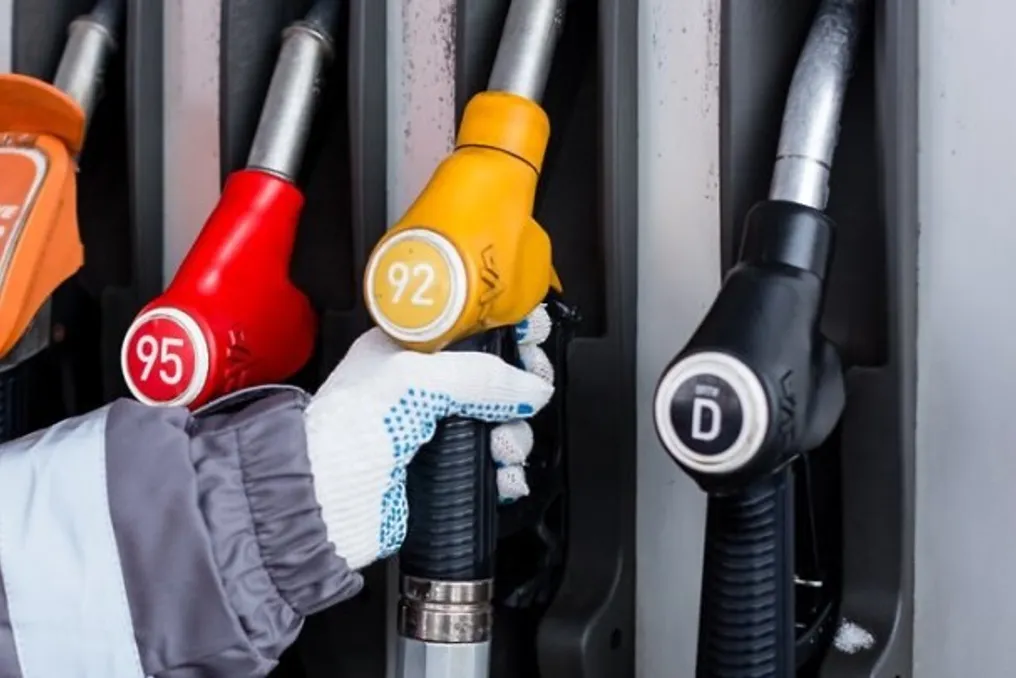
In Uzbekistan, there was a sharp rise in retail prices for automotive fuel between November 11 and November 18. In some districts, the price of AI-91 gasoline increased by 758 soms per liter, and for AI-92—by 648 soms. There was also a recorded increase in the price of propane by 368 soms and methane by 451 soms.

Economist Otabek Bakirov drew attention to these changes. On average across the republic, AI-91 gasoline rose by 198 soms, reaching a cost of 12,155 soms per liter. The cost of AI-92 increased by 92 soms, amounting to 12,179 soms, while AI-95 increased by 74 soms, reaching 17,133 soms.

During the reporting period, propane increased by an average of 26 soms, reaching 7,946 soms, while methane rose by 11 soms, totaling 5,516 soms.

Most noticeable price increases in individual districts

The largest price increase by district was noted in Urgench district, where AI-91 gasoline rose by 758 soms, and in Altynsay district—by 648 soms for AI-92. Additionally, in Karaulbazar district, propane became 368 soms more expensive, and in Dehkhanabad district—methane increased by 451 soms.

According to Bakirov, the most significant price increases are observed in the northern, southern, and eastern regions of the country. He also emphasized that these territories felt the consequences of methane shortages most strongly last year.

Parallel to the rise in retail prices, the price of gasoline is also increasing in stock exchange trading. Last Friday, the average exchange price reached 15.4 million soms per ton, which is 12% higher than at the beginning of November. Bakirov predicts that the impact of this rise in exchange prices on the final retail cost of fuel will only become apparent in a week, as retail price data is published with a five-day delay.

Maruti Suzuki raised prices on some car models starting November 22, 2026
Read more
www.aajtak.in

Maruti Suzuki raised prices on some car models starting November 22, 2026

Maruti Suzuki, the country's largest car manufacturer, has once again informed customers about price increases for several selected models. This increase took effect on Sunday, November 22, 2026. If buyers were planning to purchase a new Maruti vehicle, they will now have to pay slightly more than before.

The company explained the decision to raise prices by citing a continuous rise in production costs. Nevertheless, Maruti has tried to minimize the impact of this increase on end consumers.

Information provided to the stock market indicated that the decision to increase prices on certain models was made due to rising input costs. These new rates are effective from November 22, 2026. According to the company, the average price increase was approximately 0.31 percent, which is the volume-weighted average increase across various models.

Maruti stated that continuous steps are being taken to reduce costs, but under current conditions, it became necessary to pass some of the increased expenses on to customers. The company emphasized that it is trying to keep this increase at the lowest possible level. Detailed information on the new prices for all models has not yet been disclosed.

This price hike occurred during a period when Maruti Suzuki had already adjusted its prices three times in the first half of the 2027 fiscal year. Summing up all these increases, the total increase in vehicle cost exceeded 1 percent. Following the recent November increase, buyers will have to pay even more for the company's selected vehicles.

It is worth noting that despite strong sales growth for Maruti Suzuki, the company's profit remains under pressure. In the second quarter of the 2027 fiscal year, the company's consolidated net profit decreased by 26.36 percent year-on-year, amounting to 2.4661 billion rupees. However, during the same period, the company achieved record quarterly sales and demonstrated significant revenue growth.

The profit decline is linked to the rise in raw material prices, which was influenced by the conflict ongoing in the Middle East, affecting the company's costs. Consequently, the company's EBITDA operating margin fell to 9.4 percent in the second quarter compared to 12.7 percent in the same period last year.

Although Maruti benefited from higher sales and improved prices in the second quarter, rising expenses significantly reduced this benefit. The company also cut marketing expenses as part of cost control. Nevertheless, cost pressure has not eased. Following the second-quarter results, the company hinted at the possibility of price changes in the second half of the fiscal year, and it has now taken this step by making some models more expensive.

Tire import tax rises to 30% in Brazil; changes affect drivers
Read more
autopapo.com.br

Tire import tax rises to 30% in Brazil; changes affect drivers

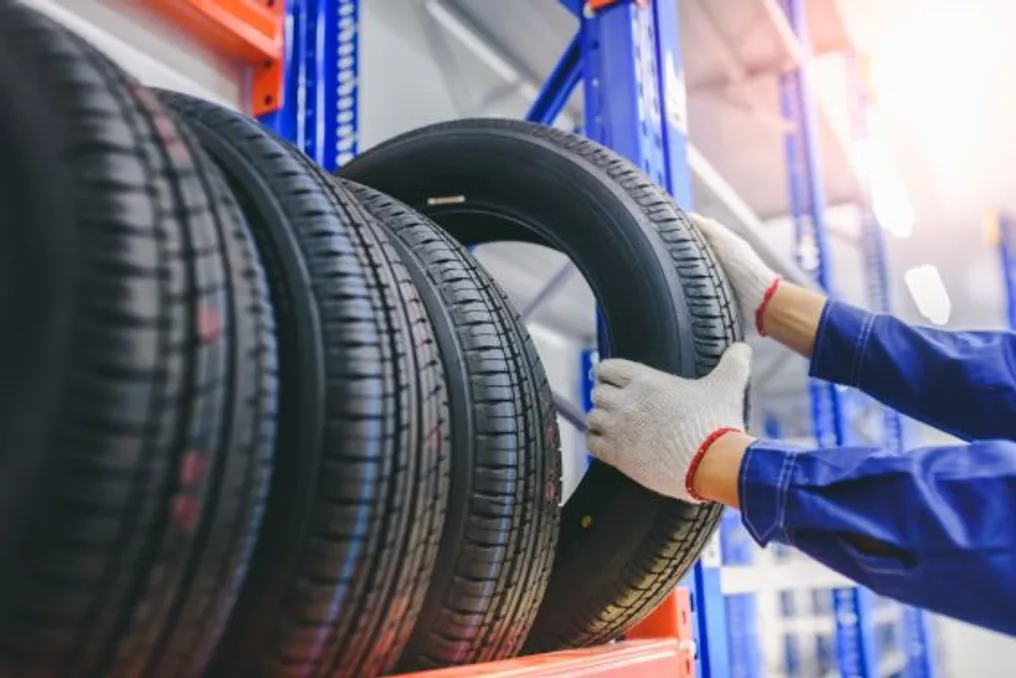
The import tax applied to tires intended for passenger cars in Brazil has been raised to 30%. This determination was established by the Executive Management Committee of the Foreign Trade Chamber (Gecex/Camex) and was published in the Official Gazette of the Union on Monday, the 9th. The new rate will be valid for 12 months, extending until November 9, 2027.

Previously, the standard tariff for these tires was 16%. However, since October 2024, a provisional measure had kept this rate at 25%, but this expired in October, causing the charge to revert to the original level.

The National Association of Tire Industry (Anip), which represents manufacturers located in the country, requested an increase to 35%. The government opted for an intermediate value, contradicting the recommendation of the Tariff Alterations Committee (CAT), a technical body that suggested maintaining 25%.

Furthermore, according to Anip, the government reintroduced non-automatic licensing at the end of October, requiring prior authorization for each import to prevent fraud. The entity alleges that tires arrive in Brazil at artificially low prices, below the cost of raw materials used in manufacturing, which could constitute dumping.

The main targets of this practice are manufacturers from China and other Asian nations. The association points out that in 2019, the domestic industry held 66% of the tire replacement market, while between January and September 2026, its share fell to 30%, with 70% occupied by imported products.

Anip also highlights that other markets apply higher rates, citing 78% in the United States, 45% in the European Union, and 35% in Mexico. The association argues that the impact will be minimal, citing a study by the LCA consultancy, which predicts an effect of only 0.005 percentage points on the IPCA, even with the 35% tariff.

In contrast, the Brazilian Association of Tire Importers and Distributors (Abidip) expresses disagreement. For this organization, the increase may result in higher tire prices, decreased supply, and could force drivers to postpone replacing worn tires or seek illegal items. Abidip also criticizes the new rate for applying to models without domestic production and announces that it will challenge the decision legally.

Popular