Microsoft services, including Outlook, Teams, and Microsoft 365, were inoperable for 16 hours, leading to billions of dollars in losses worldwide. Although the company continues to report that it is working on a swift resolution and that services are functioning for some users, the issue remains relevant.
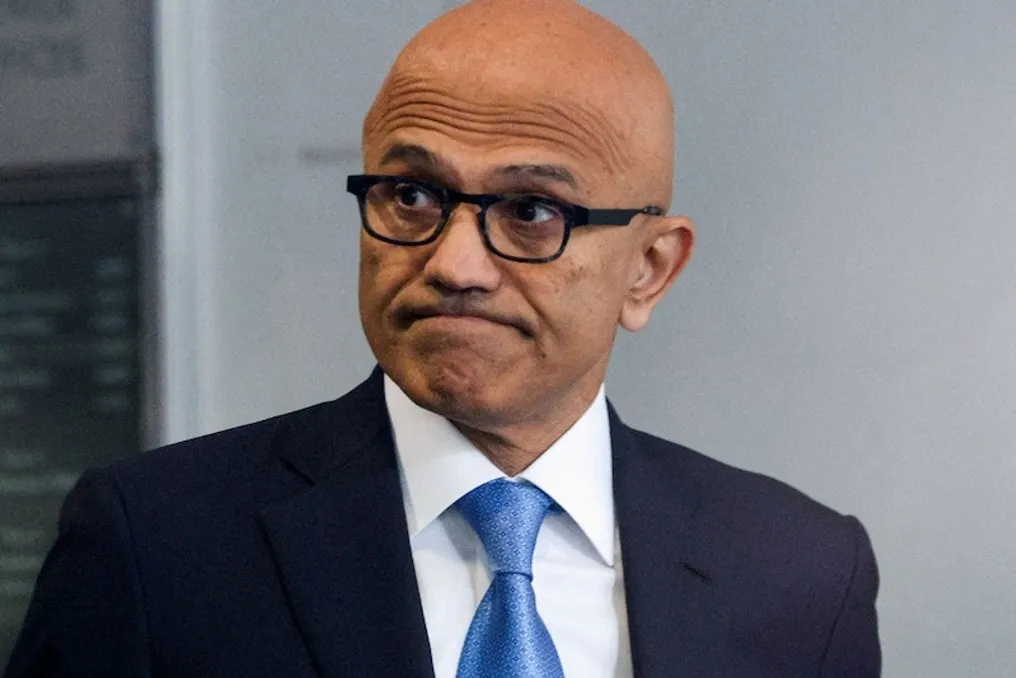
The outage affected businesses, government institutions, and individual users. However, following this failure, questions are arising not only about server malfunctions. Experts and users on social media and Reddit are questioning the strategy of Microsoft CEO Satya Nadella. They argue that the company has focused excessively on launching new features and products in the artificial intelligence (AI) race, while the value of experienced engineers maintaining legacy systems has been sidelined.
One post on X stated that many senior engineers who understand the company's older systems no longer work there. It was also suggested that after layoffs and employee departures, it has become harder for remaining engineers to fix bugs in outdated systems. The post's author further claimed that Microsoft's internal incident management tool, IcM, failed to load during the outage.
These claims have not yet been independently verified, and Microsoft has not stated that a shortage of experienced engineers caused the outage. Nevertheless, discussions surrounding the company's AI strategy, layoffs, and the reliability of old systems raise a serious question: is Microsoft paying enough attention to strengthening existing systems by investing in the future of AI?
According to an official update from Microsoft services, some servers were not undergoing automatic health checks, causing them to stop functioning, and their traffic was rerouted to other servers, causing overload. Later, the company clarified that the main procedure for establishing secure connections on the affected servers was under excessive strain, leading to the cessation of server responses to user requests. Microsoft performed a server restart, rerouted traffic via alternative paths, and checked certain configurations.
This impacted several other services, such as Outlook, Exchange Online, Teams, SharePoint, Copilot, and Microsoft 365. Until November 13, some users continued to experience intermittent problems. The company reported that it found no signs of cyberattacks or malicious activity.
Under Satya Nadella's leadership, Microsoft made AI a core business priority. The company integrated Copilot into Windows, Microsoft 365, Teams, and other products, and accelerated AI infrastructure development through partnerships with OpenAI and investments in large data centers.
Parallel to this strategy, major decisions regarding staffing levels and costs were made within the company. In July 2026, Microsoft announced the layoff of approximately 4,800 employees, citing changes in the commercial and Xbox business and resource reallocation according to priorities. Previously, in 2025, the company had also conducted workforce reductions: in May 2025, about 6,000 employees were laid off, and in July 2025, another approximately 9,000 people were dismissed.
In October 2026, Microsoft also presented a financial support plan for the voluntary departure of around 60,000 employees, which exceeded a quarter of the company's total workforce. However, this should not be viewed as mass layoffs. These decisions have now become a subject of discussion on social media following the recent outage. The question arises: has the company weakened the teams responsible for its old and critical systems in the pursuit of cost reduction and increased investment in AI?
It is not enough to simply write code for a large software system to function. Engineers working with legacy systems know how different components are interconnected, what changes were made previously, and what is a safe way to resolve failures. This is known as institutional knowledge in technical terminology. When experienced staff leave the company, and their expertise is not properly transferred to other engineers, resolving a serious problem can take longer.
Some developers on Reddit report that the rollback process, which used to take about 45 minutes, now takes five hours. They also claim that after engineers knowledgeable about old systems left, current teams have to work overtime to resolve issues.
Microsoft's investments in AI have become a significant part of its business decisions. According to Reuters, this is the case.