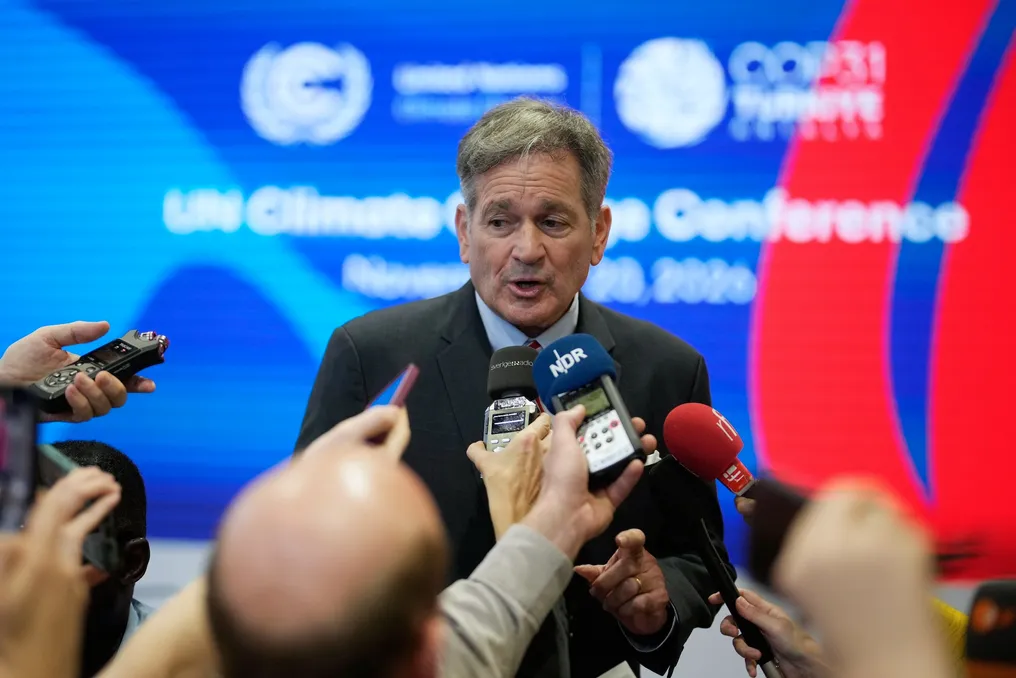
Cape Verde Prime Minister Francisco Carvalho calls for preventing the collapse of climate cooperation due to deadlock at COP31
Read more
Noticias ao Minuto
noticiasaominuto.com

Cape Verde Prime Minister Francisco Carvalho calls for preventing the collapse of climate cooperation due to deadlock at COP31

The First Minister of Cape Verde, Francisco Carvalho, appealed to the international community to maintain climate cooperation. He expressed concern over the lack of consensus regarding the global agreement that was supposed to be reached at the COP31 climate summit.

In his address, published on Facebook, he emphasized that 'a deadlock in negotiations cannot mean the failure of international cooperation,' urging countries to demonstrate common sense, responsibility, and solidarity.

The head of government noted that Cape Verde suffers from extreme weather events that lead to housing destruction and threaten family livelihoods.

According to Francisco Carvalho, Cape Verde advocated at COP31 for the necessity of adopting concrete measures to reduce emissions, increase access to climate finance, and implement adaptation, energy transition, and water security measures.

The United Nations Climate Change Conference concluded on Sunday without a political agreement, despite a record extension of negotiations that exceeded 44 hours. This extension failed to reconcile the positions of various regional blocs.

Cape Verde is an arid archipelago that is also subject to storms and sudden downpours. For example, in August 2025, Storm Erin claimed nine lives on São Vicente Island, and three months later, heavy rainfall caused one death on Santiago Island. This year, in September, Tropical Storm Gonzalo caused floods, power outages, and fallen trees on several islands of the archipelago.

Similar stories

UN Conference COP31 concludes without agreement on phasing out fossil fuels and financing
Read more
podrobno.uz

UN Conference COP31 concludes without agreement on phasing out fossil fuels and financing

The UN Climate Conference COP31, held in the Turkish city of Antalya, concluded on November 22nd without adopting a final document. Nearly 200 countries failed to reach a consensus regarding the phase-out of coal, oil, and gas, as well as the issue of financing adaptation measures for developing nations.

Negotiations extended for two days beyond the scheduled timeframe. The main sticking point was the draft final decision, titled the 'Antalya Pact,' which was prepared jointly by the presidencies of Turkey and Australia. Although early versions of the document contained provisions for accelerating the phase-out of fossil fuels, these provisions were excluded from the final drafts.

The proposal did not receive support from the European Union and the United Kingdom. Ireland's Environment Minister, Dara O'Brien, speaking on behalf of the EU, stated that the presented document does not match the scale of the current climate crisis. Furthermore, Panama, Norway, and the Marshall Islands opposed it.

Issues of transitioning away from fossil fuels

More than 130 countries initially demanded the inclusion of commitments in the agreement for transitioning away from fossil fuels. Instead, the development of carbon capture and storage technologies was discussed. Saudi Arabia advocated for the inclusion of these technologies, while critics expressed concerns that focusing on such methods could encourage further use of coal, oil, and gas.

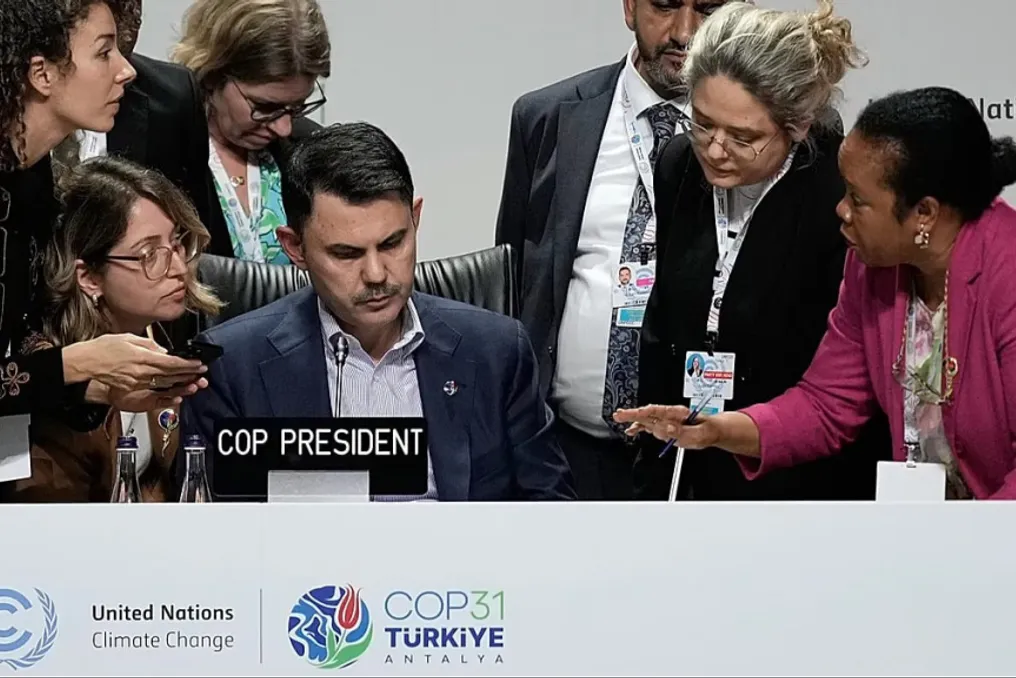
COP31 Chair Murat Kurum noted the lack of consensus and emphasized that the organizers did not attempt to impose a controversial text on the participants.

Financing and electrification

The second major source of disagreement was climate finance. A group of negotiators from Africa sought an increase in adaptation funds to $120 billion annually by 2035, but participants could not agree on either a specific amount or a mechanism for its implementation.

Representatives of African states also highlighted the insufficient coverage of loss and damage compensation issues, as well as ensuring a just energy transition. Ghana, speaking on behalf of this group, acknowledged the shortcomings of the draft but assured that it would not hinder the achievement of a general consensus. Pakistan called for continued dialogue to preserve other agreements reached.

Another initiative, put forward by the presidencies of Turkey and Australia, was increasing the share of electricity in global consumption from the current approximately 21% to 35% by 2035. Although this goal was supported by more than 70 countries according to World Resources Institute data, it was not included in the final document. Some delegations insisted that electricity should be generated predominantly from clean sources.

UN Secretary-General António Guterres characterized the conference results as disappointing, calling for an acceleration of emissions reduction, the transition away from fossil fuels, and increased adaptation financing. He reminded that states had already agreed on a gradual phase-out of fossil fuels at COP28 in Dubai. In his view, the absence of a new agreement does not nullify the scientific data on the planet approaching the critical 1.5-degree warming threshold.

The next UN Climate Conference, COP32, is scheduled for November 2027 in Addis Ababa, the capital of Ethiopia, where participants will have to reconsider the issues that could not be resolved in Antalya.

Earlier in Antalya, the COP31 World Leaders Summit took place, attended and addressed by the President of Uzbekistan, Shavkat Mirziyoyev. The head of state proposed developing a unified model of climate cooperation for Central Asia, which would allow the region's countries to jointly monitor natural threats such as droughts and glacier melt, exchange information, and attract funds to counteract the effects of climate change.

COP31 identified problems in climate negotiations, not in cooperation
Read more
chinadialogue.net

COP31 identified problems in climate negotiations, not in cooperation

In the middle of the second week of the UN Climate Conference COP31, held in Turkey, environment ministers presented plans to phase out coal, oil, and gas usage. Denmark presented the plans, with Spain, Portugal, and Luxembourg stating they would follow suit. Vanuatu and Tuvalu reported on the preparation of the world's first regional roadmap.

However, none of these plans required a consensus text. Yet, the main outcome of the summit showed a different picture: the final document, which contained no mention of fossil fuels, was decisively rejected by the European Union, the Marshall Islands, and at least thirty other countries. The summit concluded two days later than planned because parties could not reach an agreement on a comprehensive political declaration. This marked the largest setback at COP since Copenhagen in 2009. Furthermore, states disagreed on financing for adaptation, carbon capture, and electrification.

These disagreements arose at a particularly critical time for climate action, as global warming is set to exceed the 1.5°C threshold set by the Paris Agreement, which scientists believe will lead to much more severe climatic consequences. Countries spent two weeks negotiating amid growing calls from activists for more ambitious actions in the conference center corridors.

Nevertheless, while UN climate agreements require consensus, cooperation is possible if participants are willing. In Antalya, one side fractured, but the other demonstrated its strength. The most obvious example is the energy transition roadmaps published or pledged by 27 governments.

COPs are the largest environmental gatherings on the planet, with about 92,000 people registered for one. Although they may resemble a trade fair more than a negotiation center, thanks to pavilions and hundreds of events, COP brings together NGOs, Pacific Island states, and European governments in one place on one day. These meetings do not make it into the final text, but a significant part of climate work begins there.

The reactions in Antalya demonstrated a determination to move forward. Anna Toni, CEO of the COP30 presidency, stated: 'This movement will not stop.' Tuvalu's Climate Minister, Maina Talia, emphasized that countries ready to act faster should 'move forward where we can, with those who are ready to show up.' Ghana's Environment Minister, Zanetor Gabriel Rawlings, noted that Africa arrived at COP aiming for results and left 'ready to move forward and still fighting.'

The possibility of another COP collapse has been predicted in recent years. At past summits, countries announced intentions to withdraw from the process, objecting to the final text at the plenary session, but then accepted it because maintaining the process itself was paramount. This time, the situation was different: a group of countries refused to join the consensus after three rounds of changes to the final text and stuck to their decision. Panama's Environment Minister, Juan Carlos Navarro, reflected the general mood several days earlier. At a press conference, he stated that the world had been 'held hostage by the oil mafia' and was 'in love with its kidnappers.' He questioned how many more COPs it would take for countries to fulfill their legal obligations, adding: '31 COPs, for heaven's sake,' which drew applause.

The final COP text, although not agreed upon, acknowledged the exceeding of the 1.5°C threshold and called for a more decisive response. This document, named the 'Antalya Pact,' included the global goal of '35x35'—to increase the share of electricity in global final energy consumption to 35% by 2035, without specifying renewable sources. It completely bypassed the topic of fossil fuels. The Pact confirmed the goal of tripling adaptation finance but did not provide a baseline or a specific monetary amount.

The Pact reflected the composition of the conference participants. According to the Centre for International Environmental Law (CIEL), a record 700 carbon capture lobbyists were registered at COP31. Over 100 groups related to the interests of fossil fuels and agriculture also sent delegations. Lobbyists significantly outnumbered some of the world's most vulnerable countries in terms of delegations.

Since there is no agreed mechanism for resolving deadlocks through voting in climate negotiations, the process lacks a set Plan B. Panama and Peru requested a review of voting rules at the final plenary session and proposed using a simple majority, but no progress was made. Meanwhile, those wishing to act faster are seeking alternative paths.

Former Minister of Environment of Colombia, Irene Vélez, stated at a press conference: 'Consensus was a barrier to agreements, to ambition, and it is a barrier to action.' She added: 'Today we know that we can go beyond consensus and create working ambitious alliances.' In April, Vélez co-chaired the First Conference on Fossil Fuel Transition—an initiative by various countries to jointly work on their transitions outside the UN framework. Thirty countries also announced at COP the development of a proposal for an international treaty on fossil fuels.

The COP30 Presidency of Brazil presented two international roadmaps in Antalya's crowded halls: one concerning the transition away from fossil fuels, and the other concerning halting and reversing deforestation by 2030. These documents are voluntary, and the idea is that countries will turn them into national roadmaps. Brazilian President Lula da Silva attended COP to present them and received a standing ovation.

Turkey, Brazil, and South Korea launched the Integrated Fire Management Action Plan in Antalya, supported by 23 countries. Its goal is to improve cooperation in prevention, early warning, and response. Countries such as Bolivia, Ecuador, and Honduras presented examples at COP events on how to combine national forest fire policies, scientific monitoring, and community involvement.

The issue of action against superpollutants, such as methane, which causes short-term warming, also gained momentum at COP. Governments considered rapid reduction of non-CO2 emissions as one of the best ways to limit warming overshoot. In addition to the ministerial declaration, the Clean Air and Climate Coalition announced new funding to help countries integrate clean air into their climate plans.

Electrification became a buzzword at COP, and it is one of the few areas the leadership emphasized in the final address. Following the negotiations, over 80 countries endorsed the 35x35 goal, according to the final plenary speech by COP31 President Murat Kurum.

The climate calendar is already looking beyond COP31. Pacific countries stated that their regional roadmap will be ready by July, when Tuvalu and Ireland host the second fossil fuel transition conference. Then Ethiopia will take charge of preparing for COP32 in Addis Ababa. There, governments will have to return to many unresolved issues left by Antalya, from fossil fuels to financing.

UN Secretary-General António Guterres visited Antalya for his tenth and last climate summit. He stated: 'The climate crisis will not wait for governments to find common ground. We cannot do that either.' He urged: 'Keep spreading facts, keep demanding action.'
Tuvalu maintains optimism despite the deadlock in COP31 negotiations in Antalya
Read more
noticiasaominuto.com

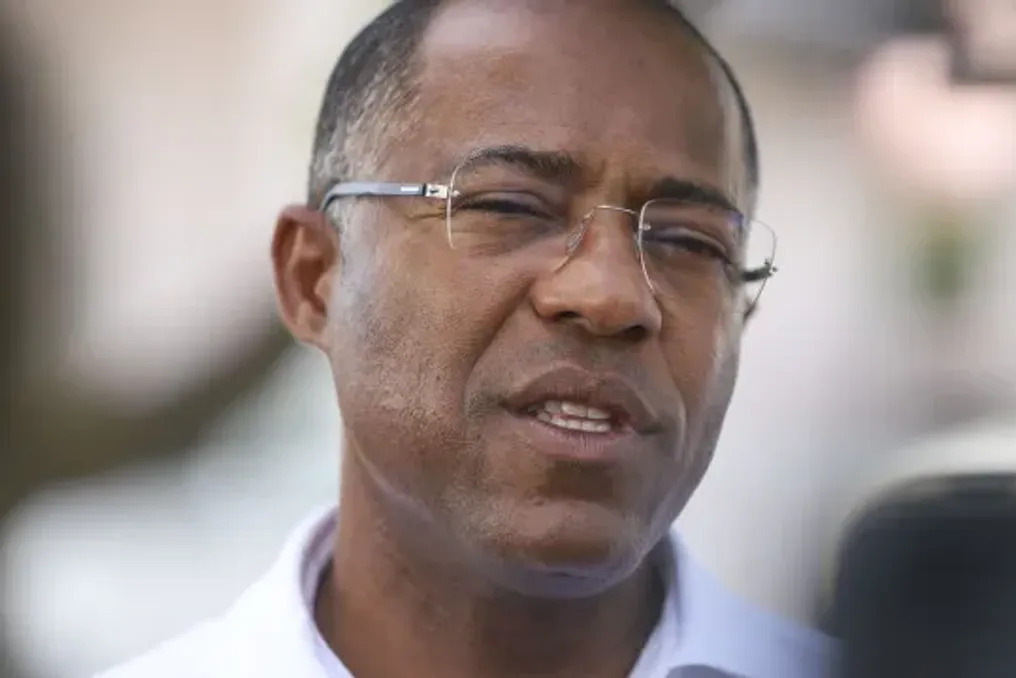
Tuvalu maintains optimism despite the deadlock in COP31 negotiations in Antalya

The government of Tuvalu declared that although discussions to reach a consensus at the UN climate conference in Antalya (COP31) are currently stalled, the island nation continues to maintain an optimistic stance.

Maina Talia, Minister of Climate Change and Environment of Tuvalu, informed journalists about the negotiation impasse. The deadline for concluding the agreement was Friday afternoon, but so far, there is no forecast for a final declaration.

Talia avoided specifying whether he would abandon the negotiations if the final document does not include commitments to limit the global temperature increase to 1.5 degrees Celsius and to reduce hydrocarbon emissions, which are contributing factors to global warming. He clarified: 'First, we need to see the text. We will wait for the preliminary version... We maintain our position, trying to remain optimistic until we see the text.'

When questioned about the message directed at Saudi Arabia and other oil-producing countries, the representative of Tuvalu emphasized the need to ensure 'the survival of people living on small low-lying atolls.' Tuvalu is a small Pacific nation vulnerable to sea-level rise caused by global warming.

The minister also appealed to developed countries, requesting a 'simpler' financing process so that promised resources can be effectively available. Furthermore, he stressed that COP31 serves, at minimum, to rekindle the success of the Santa Marta conference, held in April this year and organized by Colombia and the Netherlands, known as the First Conference for Fossil Fuel Transition.

Tuvalu and Ireland are scheduled to co-organize the second meeting of the group (TAFF) in July 2027, which should take place in the Pacific archipelago. Nearly 200 nations are gathered in Antalya seeking a minimum agreement after the official deadline. The conversations are characterized by tensions between nations demanding mentions of phasing out hydrocarbons and oil producers and major emitters, such as India, which resists discussing the issue.

On Friday, in Antalya, Maria da Graça Carvalho, Minister of Environment, announced that the European Union will prevent an agreement at COP31 if the final text does not cover three requirements related to fossil fuel divestment, carbon capture, and human and gender rights.

Popular