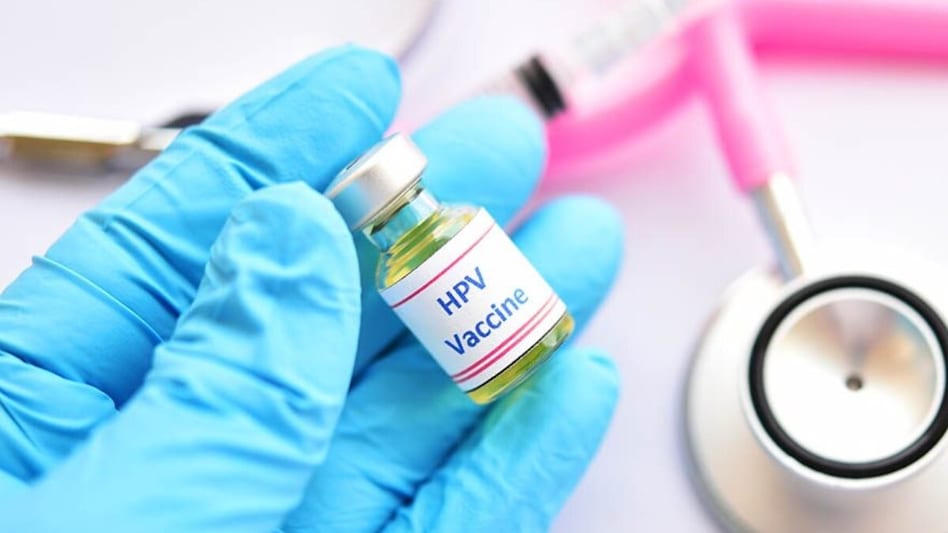
Experts discuss the benefits of HPV vaccination after age 30 and conditions for maximum effectiveness
Read more
Aaj Tak
www.aajtak.in

Experts discuss the benefits of HPV vaccination after age 30 and conditions for maximum effectiveness

Significant progress has been made in the fight against cervical cancer in India: over one million doses of the HPV vaccine have been introduced. According to the Ministry of Health, under the national HPV vaccination campaign launched in February 2026, free vaccination is provided to girls aged 14. Over a million doses have been administered in less than nine months.

Some women wonder if HPV vaccination can benefit the prevention of cervical cancer after reaching the age of 30. Cervical cancer is caused by the human papillomavirus (HPV), which is most often sexually transmitted. Although there are various types of this virus, the risk of developing cervical cancer increases in women with weakened immune systems who are infected with high-oncogenic strains of HPV. However, HPV infection does not guarantee cancer development, as most infections are eliminated by the body's immune system on their own.

Dr. Saloni from the gynecology department at Safardadjang Hospital notes that the maximum effectiveness of the HPV vaccine is achieved if a woman has never been exposed to this virus. This is why vaccination is conducted for 14-year-old girls in state centers. The immunization provides the greatest benefit when administered before sexual activity begins. Nevertheless, this does not mean that vaccination after age 30 is useless. A woman at this age can still gain protection against those types of HPV she has not previously encountered and which are covered by the vaccine. Therefore, upon a doctor's recommendation, a woman over 30 can undergo vaccination to prevent cervical cancer.

It is important to understand that the HPV vaccine does not treat existing HPV infections or cervical cancer; it is designed to prevent new infections. Consequently, regular cervical cancer screening is necessary even after vaccination, according to age and medical recommendations. All women are advised to undergo screening for cervical cancer prevention after the age of 20. If any symptoms appear, testing should be sought immediately.

Similar stories

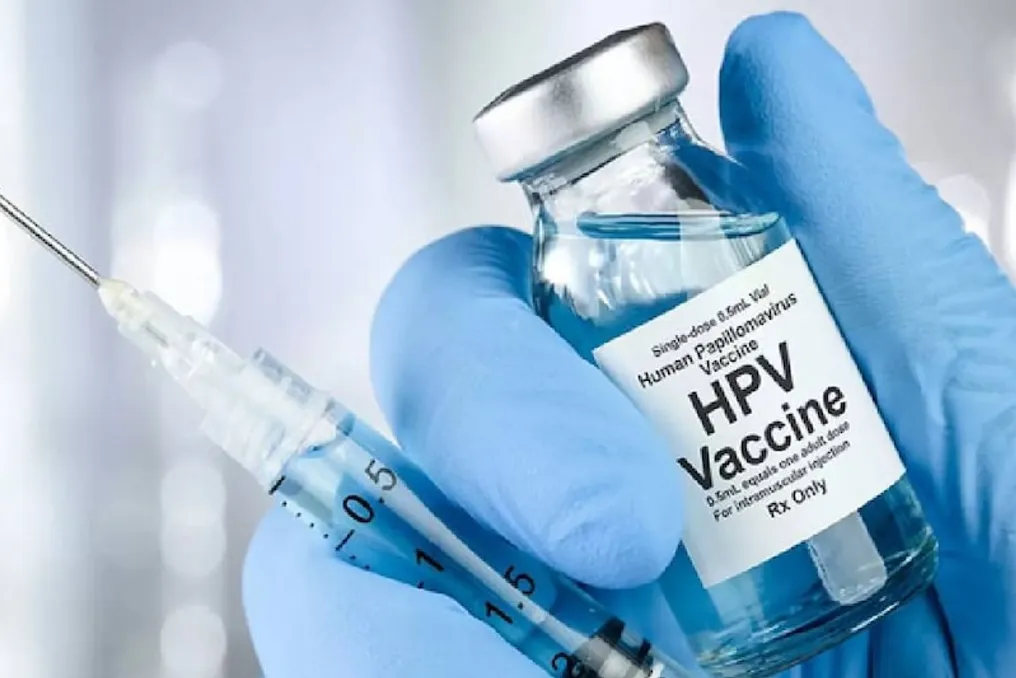
WHO highly praises India's HPV vaccination campaign for girls, exceeding one million doses
Read more
www.aajtak.in

WHO highly praises India's HPV vaccination campaign for girls, exceeding one million doses

India has achieved significant success in the fight against cervical cancer through HPV vaccination. To date, over one million doses of the HPV vaccine have been administered to 14-year-old girls.

The WHO Regional Office for South-East Asia expressed its appreciation for this achievement by India. According to information published by the Ministry of Health and Family Welfare of the Indian government, more than one million doses of the HPV vaccine were administered by November 21, 2026. This campaign began in February 2026.

As part of this initiative, 14-year-old girls receive the HPV vaccine free of charge at public health facilities. The government's goal is to reduce cases of cervical cancer and prevent the disease through HPV vaccination. Two high-oncogenic types of HPV are responsible for approximately 76 percent of cervical cancer cases, highlighting the critical importance of vaccination for protection against this virus.

In countries where mass vaccination has been conducted, there has been a significant decrease in the incidence of cervical cancer.

The WHO Regional Bureau for South-East Asia commended India's HPV vaccination campaign. WHO noted that vaccinating at an early age is an important step towards preventing cervical cancer. Such vaccination can significantly reduce the likelihood of developing cervical cancer. Previously, cervical cancer was the fourth most common type of cancer among women worldwide, with infection by the HPV virus being the main cause.

A large-scale vaccination campaign in a country with a large population like India can help ensure protection for as many girls as possible.

HPV stands for Human Papillomavirus. It is a common virus that, if present in the body for a long time, causes cervical cancer in women. Typically, this virus is transmitted through unprotected sexual contact. Although the virus may disappear on its own in some cases, the infection persists for a long time in some women. This can lead to accelerated cell growth in the lower part of the uterus, i.e., the cervix, which causes cervical cancer.

Fertility Decline: IVF Now Required in the Age of 30–35 Due to Several Reasons
Read more
www.aajtak.in

Fertility Decline: IVF Now Required in the Age of 30–35 Due to Several Reasons

Previously, IVF (in vitro fertilization) was more commonly used by couples over 40 years old, but the situation is changing: today, many couples require IVF assistance and infertility treatment as early as 30 to 35 years old. The problem of declining fertility is observed in both women and men at a younger age. This raises the question of what has led to such an early decline in fertility.

Dr. Mugdha Rustgi, an IVF specialist from Crystal IVF in Delhi, notes that couples aged 30–35 seek IVF help because they are having difficulty conceiving naturally at this age. She emphasizes that previously, the decline in the number of female eggs began after the age of 40, but now this drop occurs between the ages of 30 and 35. Furthermore, issues related to PCOS, endometriosis, and hormonal imbalances have become more frequent compared to the past. Men are also experiencing a decrease in sperm count, leading to premature decline in semen analysis results. Women are also noting a reduction in egg quantity.

Another contributing factor to this problem is the postponement of marriage. Dr. Mannan Gupta, Chairman of Atlantis Healthcare in New Delhi and Head of Gynecology and IVF Department, points out that couples are now marrying after the age of 30, and child planning often happens at 35. Due to these delays in marriage and child planning, it becomes harder for people to conceive naturally, whereas previously weddings took place before the age of 30 and children were planned in a timely manner. Today, many who plan for children after 30 are forced to resort to IVF because natural conception does not occur.

Moreover, poor lifestyle and diet negatively affect fertility. According to Dr. Mannan, modern lifestyles and diets have significantly deteriorated. Factors such as late bedtime, long hours in the office, consumption of fast food, and lack of physical exercise influence the hormonal balance. This leads to premature fertility decline in both men and women. Therefore, it is crucial for people to monitor their diet and lifestyle.

Popular