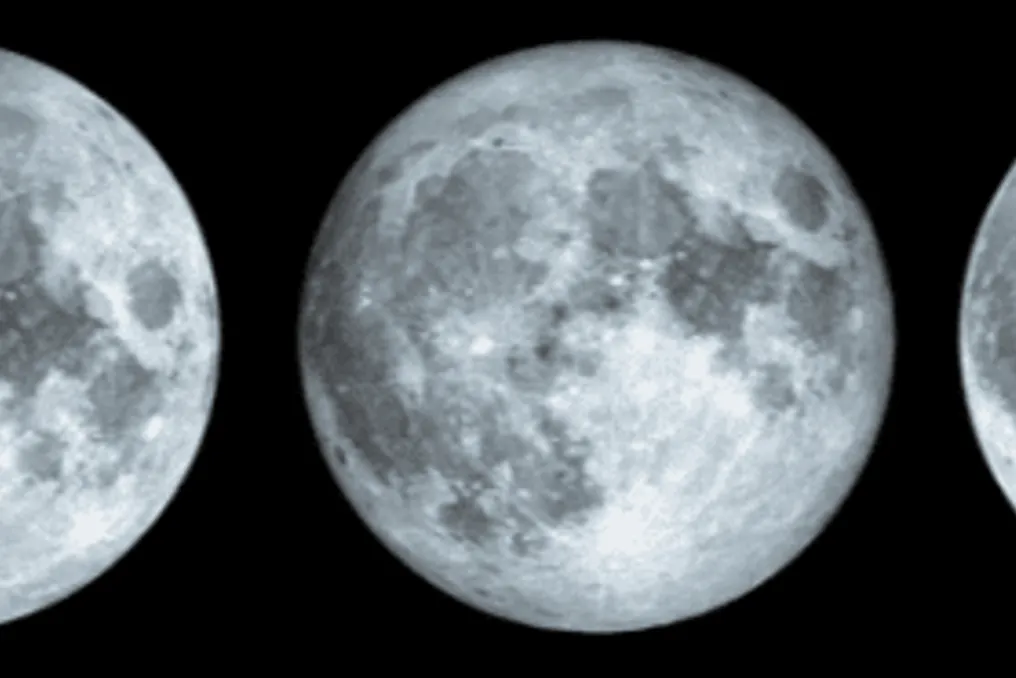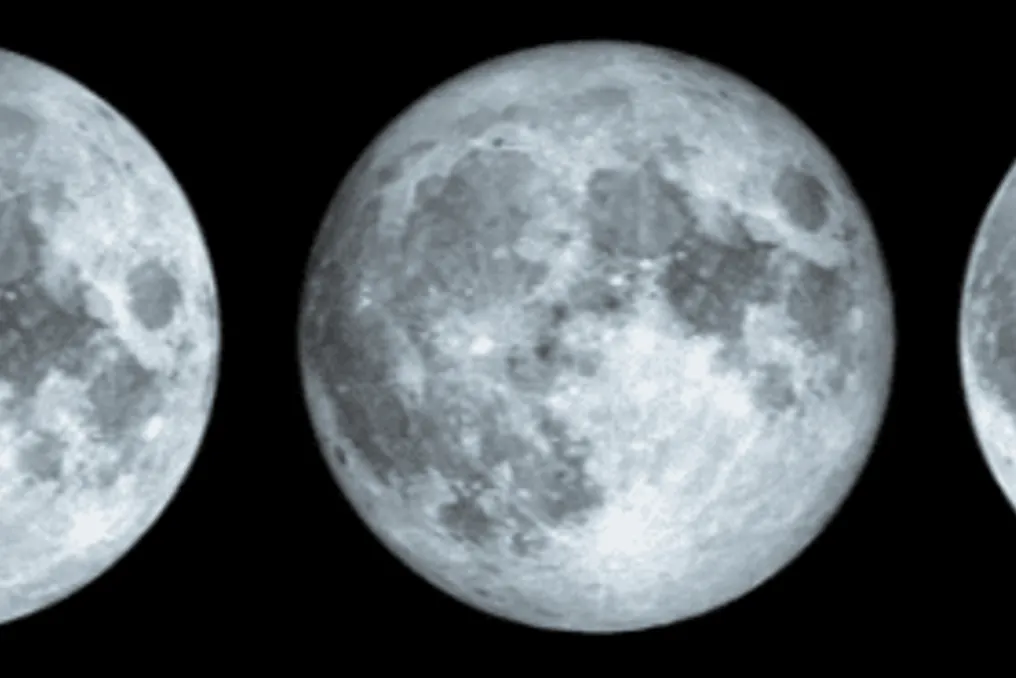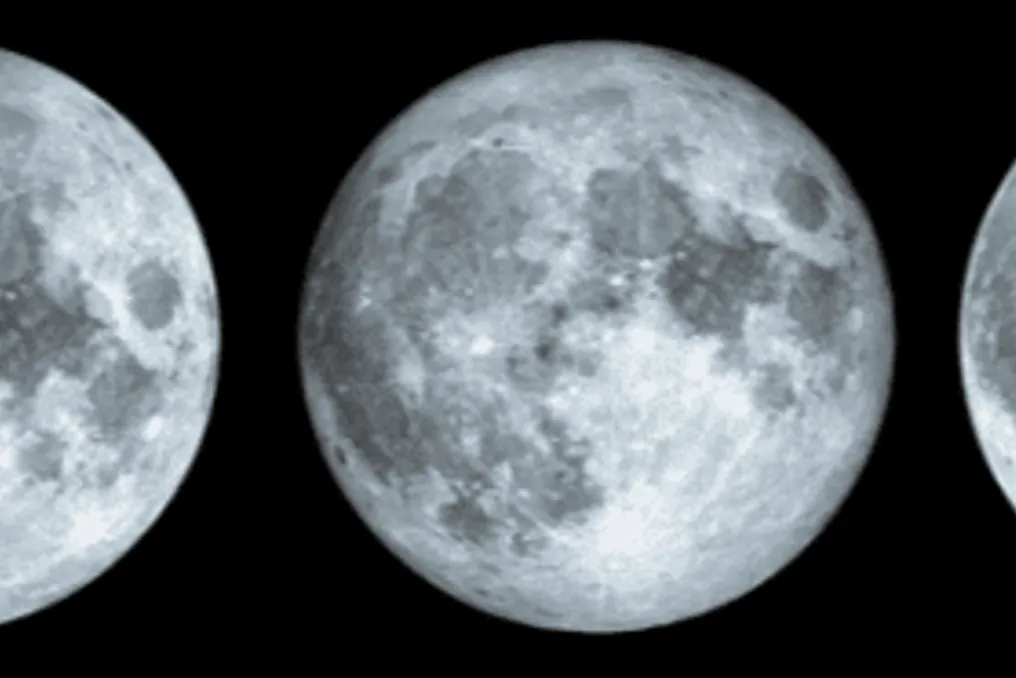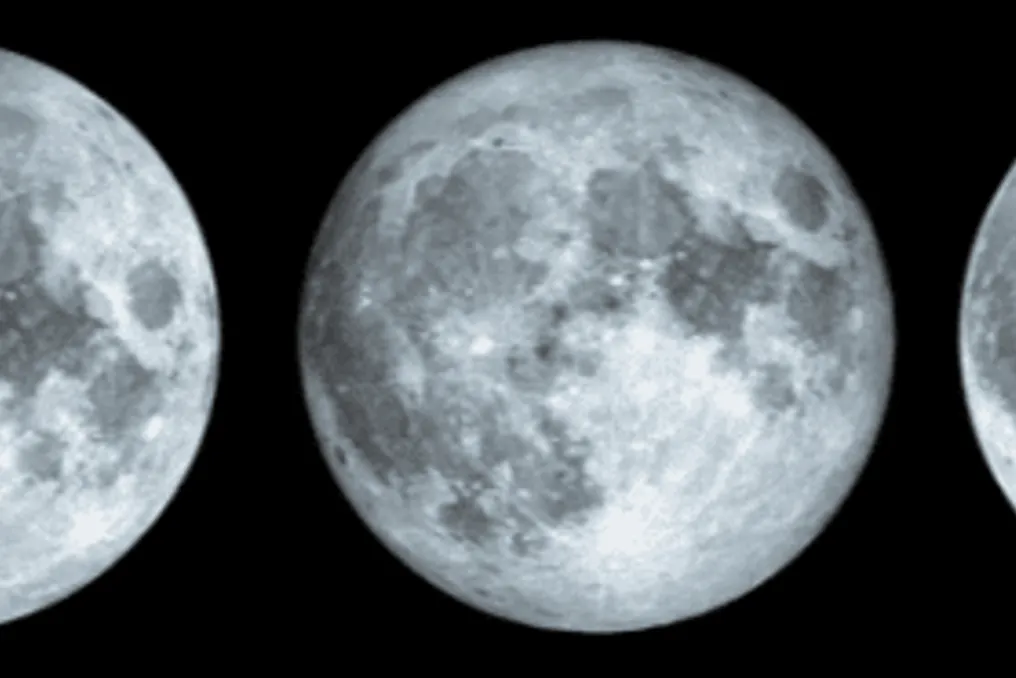
On November 24, 2026, the Moon reached the first day of the full moon phase and is fully visible. According to the calendar provided by the National Meteorological Institute (Inmet), the following lunar phases occurred in November:
The month began with a waning moon phase on the 1st at 17:30 Brazilian time. Then, a New Moon occurred on the 9th at 4:02. The waxing moon phase appeared on the 17th at 8:48, and the full moon took place on the 24th at 11:55.
A lunation, or lunar cycle, is the period between new moons and has an average duration of 29.5 days. During this period, the Moon goes through four main phases: new moon, waxing, full moon, and waning, with each phase lasting approximately seven days.
There are also intermediate phases: waxing crescent and waxing gibbous, which are observed between the new moon and the full moon; as well as waning gibbous and waning quarter between the full moon and the new moon.
Description of Lunar Phases
During the New Moon, the satellite is located between the Earth and the Sun. This results in the illuminated side of the Moon facing the Sun, and the dark side facing us, so the Moon is not visible in the night sky. This phase marks the beginning of a new lunar cycle and is associated with rebirth and new opportunities.
Following the New Moon is the Waxing Moon phase. A small illuminated strip gradually begins to appear in the sky, increasing every night. Initially, only a thin ray of light is visible, but as the days pass, the illuminated part grows until half of the Moon becomes visible, which is called the Waxing Quarter. This phase symbolizes growth, development, and building new paths.
During the Full Moon phase, the Earth is located between the Sun and the Moon. This allows the side of the Moon facing us to receive full light, making it completely visible and bright in the sky. This is a period of maximum light intensity, when the Moon rises exactly at sunset. The full moon is associated with completeness, the culmination of processes, and peak energy.
After the Full Moon, the Moon's light gradually begins to fade. Each night we see less and less illuminated surface. When only half is visible, the Waning Quarter occurs, which is the opposite of the Waxing Quarter. The Moon continues to lose brightness until it reaches the New Moon again, restarting the cycle. The waning phase symbolizes reflection, completion, and preparation for new beginnings.
Currently, the Moon is in the Full Moon phase.