In the technology industry, it is not uncommon for company founders who helped develop them to suddenly leave their leadership positions, only to return to the same companies later.
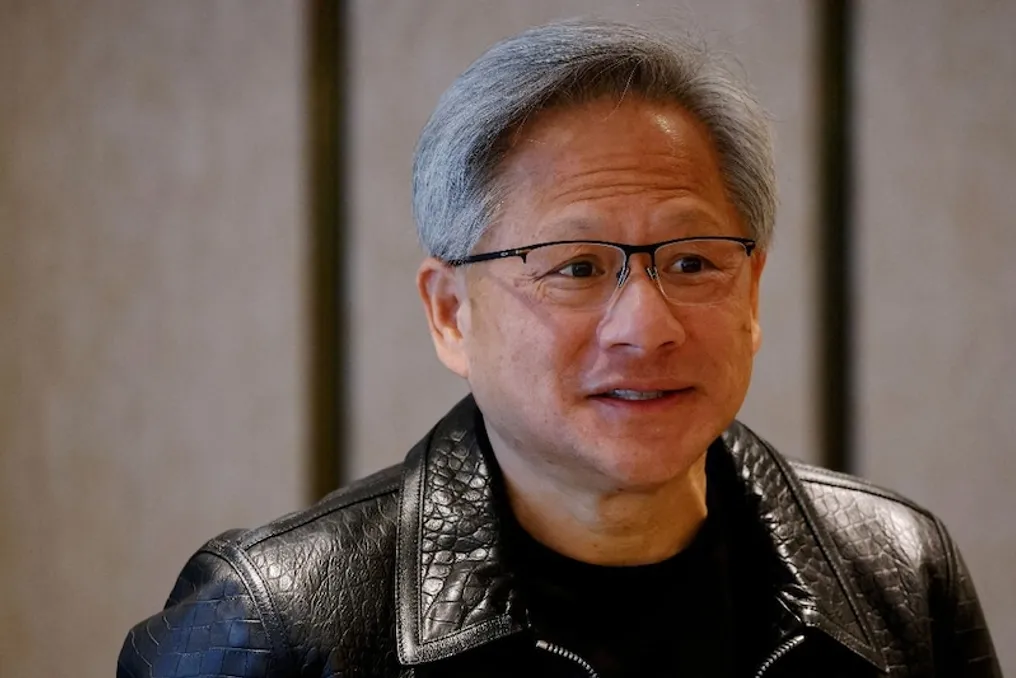
One of the most recent examples of this phenomenon is Geoffrey Huang, the CEO of Nvidia. He was reinstated as Chief Executive Officer on November 23rd following a unanimous board decision, less than two weeks after he resigned on November 12th.
Huang's return occurred during a period of instability at Nvidia. Following his departure, CFO Collette Kress was appointed as the interim CEO. However, after discussions with Huang, the board changed its decision, expressing confidence in his leadership qualities.
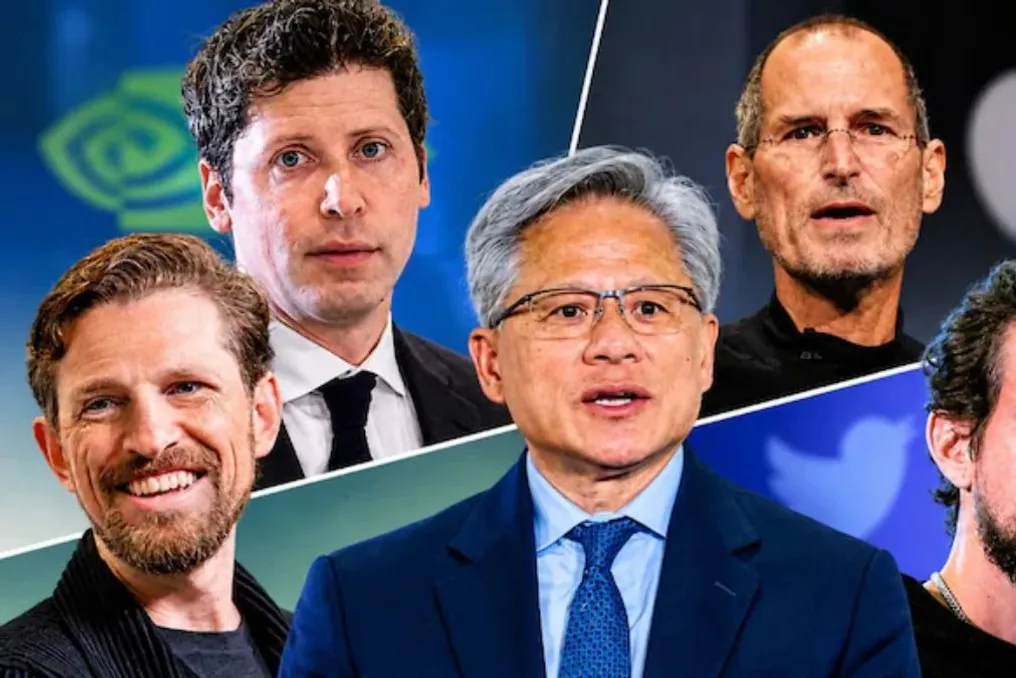
Huang's return brought to mind cases of other tech leaders who lost their positions but eventually managed to return to their companies. Among these figures are Steve Jobs and Sam Altman. These five founders have experienced sharp turns in their careers.
Huang founded Nvidia in 1993 with Chris Malachowsky and Curtis Priem. Under his leadership, the company transformed from a graphics chip manufacturer into a major force in artificial intelligence computing. After his resignation on November 12th, management changed, and Kress temporarily took over. Nevertheless, this change did not last long, as Nvidia announced Huang's reappointment as President and CEO on November 23rd by board resolution.
The board stated that it considered him a suitable person to lead the company. His return coincided with an ongoing independent investigation into the circumstances of his departure.
Sam Altman's exit from OpenAI in November 2023 became one of the biggest corporate board controversies in the tech industry. The company's board removed him from the CEO position, citing a loss of confidence in his leadership. However, following this board decision, a revolt among employees began; over 700 people signed an open letter demanding his return. OpenAI's major investor, Microsoft, also offered Altman a role leading a new AI research team.
After several days of uncertainty and negotiations, OpenAI announced on November 21st that Altman would return as CEO under a new board. He officially resumed his duties on November 29th.
Steve Jobs' return to Apple is one of the most famous stories of a founder's comeback. In 1985, Jobs was removed from operational activities following disagreements with then-CEO John Sculley and the Apple board. He founded NeXT and joined Pixar. In 1996, Apple acquired NeXT, allowing Jobs to return to the company he co-founded. Initially, he returned as a consultant before becoming interim CEO in 1997.
His second tenure fundamentally changed Apple's destiny. Products such as the iMac, iPod, iPhone, and iPad emerged under his leadership, transforming the company into one of the world's most valuable technology businesses.
Jack Dorsey founded Twitter in 2006 and became its first CEO. However, due to concerns about his management and the company's direction, he was ousted from the position in 2008. He founded the payment company Square, now known as Block, but remained associated with Twitter as chairman. Approximately seven years after leaving the CEO role in 2015, Dorsey returned as interim CEO, and his appointment was later confirmed permanently. He led Twitter until 2021, after which he left, and Parag Agrawal took his place.
Matthew Mullenweg's return to Automatic, the company behind WordPress.com, happened very quickly. In September 2026, the company's board sent him on paid leave, and CFO Mark Davis was appointed interim CEO. Mullenweg challenged this decision and subsequently returned as Chairman and CEO. Automatic confirmed his return on September 12th. The company informed TechCrunch that he had been absent for only 33 hours and 20 minutes. Following his return, changes were made to the board, and Mullenweg also gained significant influence through a controlling vote in the company.