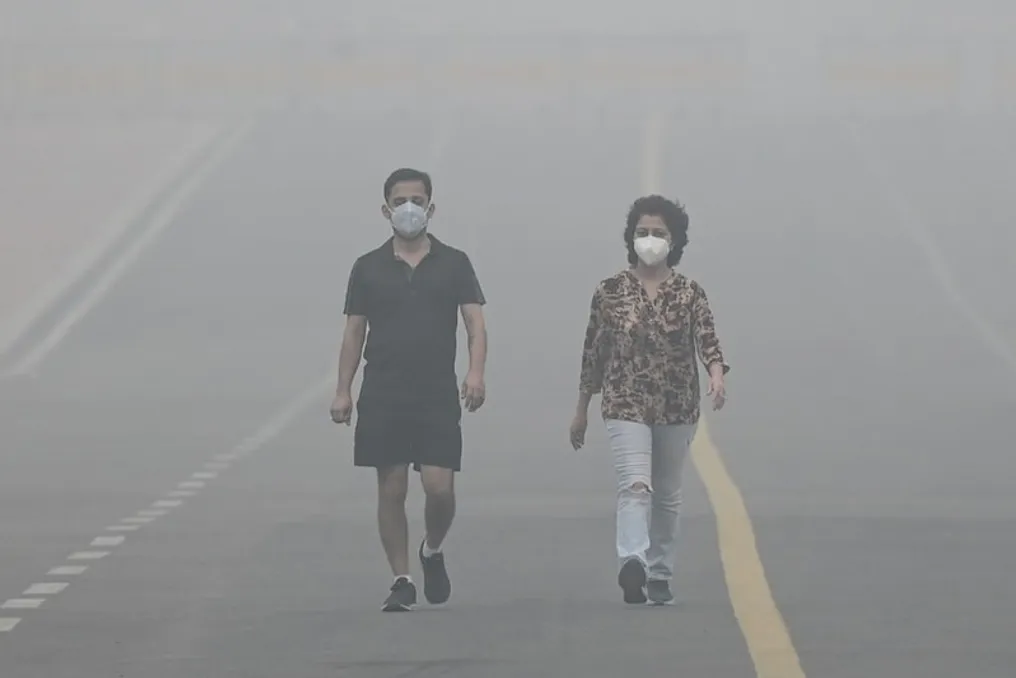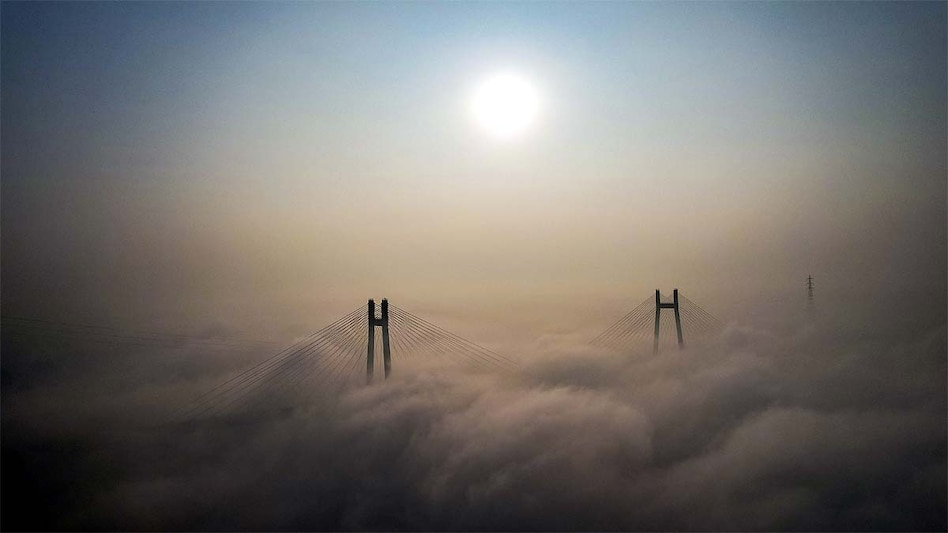
Seasonal cold is gradually intensifying in North India. In regions such as Delhi-NCR, Punjab, Haryana, Chandigarh, and Himachal Pradesh, the phenomenon of fog in the morning and night is observed. The Indian Meteorological Department (IMD) reported on November 24, 2026, a high probability of dense fog formation in Haryana, Chandigarh, and Delhi on November 26 and 27.
Furthermore, dense fog is predicted in Punjab from November 24 to 27, and in Himachal Pradesh from November 24 to 26. Over the next seven days, from November 24 to 30, most of northwestern India is expected to be dry. Significant precipitation is not currently forecast in these areas, which will lead to a further drop in temperature and an increased feeling of cold in the morning and evening.
According to forecasts, the sky in Delhi will remain clear for the next four days. The maximum temperature in the capital on November 24 may range between 24–26 degrees Celsius. During the day, winds are expected from the northwest at speeds of up to 15 kilometers per hour. On November 25, the maximum temperature is forecast to be 24–26 degrees, and the minimum temperature from 9 to 11 degrees Celsius.
In the morning, light haze or fog may be observed in some areas. On November 26, the weather will mostly remain clear, but light haze and fog may form in the morning. The maximum temperature for this day will be 24–26 degrees, and the minimum—from 9 to 11 degrees. On November 27, a further drop in minimum temperature is expected. The maximum temperature is forecast to be in the range of 24–26 degrees, and the minimum—from 8 to 10 degrees Celsius. Due to fog on these days, visibility may be significantly reduced, which could affect daily life.
According to the IMD, there is a high probability of dense fog in Delhi, Haryana, and Chandigarh on November 26 and 27. Dense fog may affect Punjab from November 24 to 27, and fog is expected in Himachal Pradesh from November 24 to 26. Reduced morning visibility could cause serious difficulties for drivers. There may also be consequences of the fog for national highways, rail, and air transport; some flights may be delayed or cancelled, and trains may travel at reduced speed. Therefore, travelers are advised to constantly monitor information.
According to the meteorological service's seven-day forecast, from November 24 to 30, most meteorological sub-regions of northwestern India, including Delhi, Haryana, Punjab, Western and Eastern Uttar Pradesh, Rajasthan, Uttarakhand, Jammu and Kashmir, and Ladakh, will have dry weather. Extensive precipitation is not expected in these areas. Large weather changes are also not forecast for western and central India this week. Due to the dry climate, night and morning temperatures will continue to fall, which will intensify the feeling of cold. Temperatures in mountainous regions may be even lower.
Dense fog not only reduces visibility; dust particles and pollutants contained within it can exacerbate respiratory problems. People suffering from asthma, bronchitis, and lung diseases should exercise extra caution. Furthermore, the risk of road accidents increases during fog, as drivers cannot see the road ahead. Therefore, it is crucial to use fog lights while driving, maintain a controlled speed, and keep a safe distance. It is best to avoid unnecessary outings early in the morning and late in the evening. When going outside, one should cover their face with a mask or scarf.
The IMD advised drivers to use fog lights, adhere to speed limits, and maintain a safe distance during fog. Train and plane passengers should constantly track their schedules. It is necessary to avoid unnecessary outings early in the morning and late in the evening. People with respiratory problems should carry medication as advised by a doctor and take measures to protect against pollution. Overall, there is little chance of rain in North India currently, but the drop in night and morning temperatures and the increase in fog activity will intensify the feeling of cold. Residents of Delhi-NCR must be particularly vigilant regarding dense fog on the mornings of November 26 and 27. Adhering to proper precautions will help manage this weather easily.