Iran implements a tripartite strategy to diversify transit corridors and strengthen regional connectivity
Read more
Tehran Times
www.tehrantimes.com

Iran implements a tripartite strategy to diversify transit corridors and strengthen regional connectivity

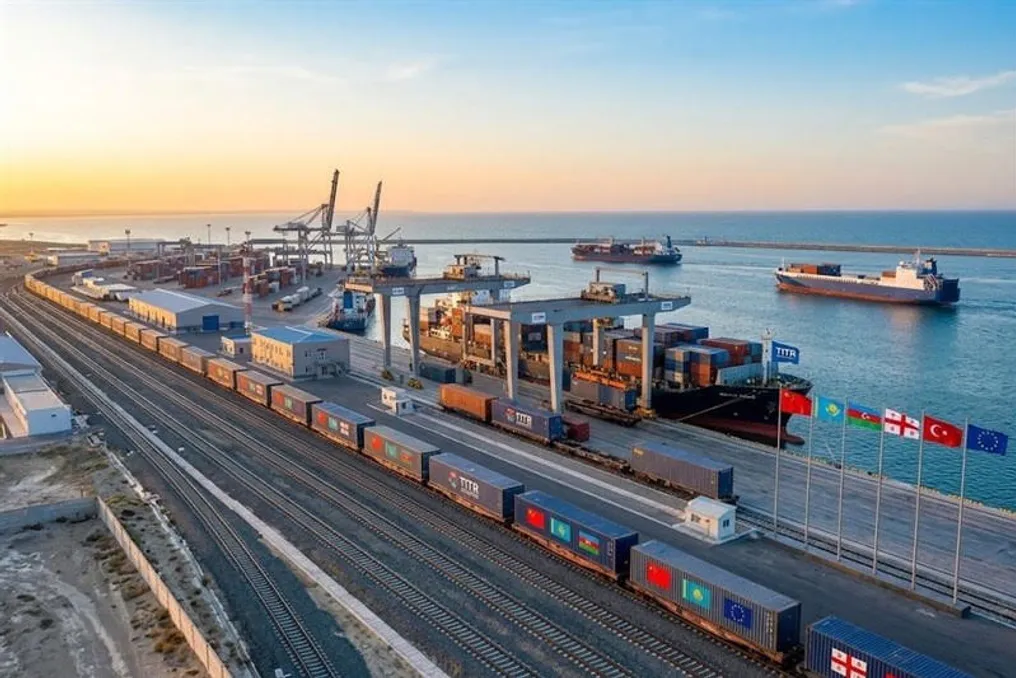
An official representative stated that the Iranian government is implementing three main policies to diversify transport routes and enhance the country's position. These measures include completing railway line construction, strengthening Caspian Sea port infrastructure, and expanding land trade with neighboring states.

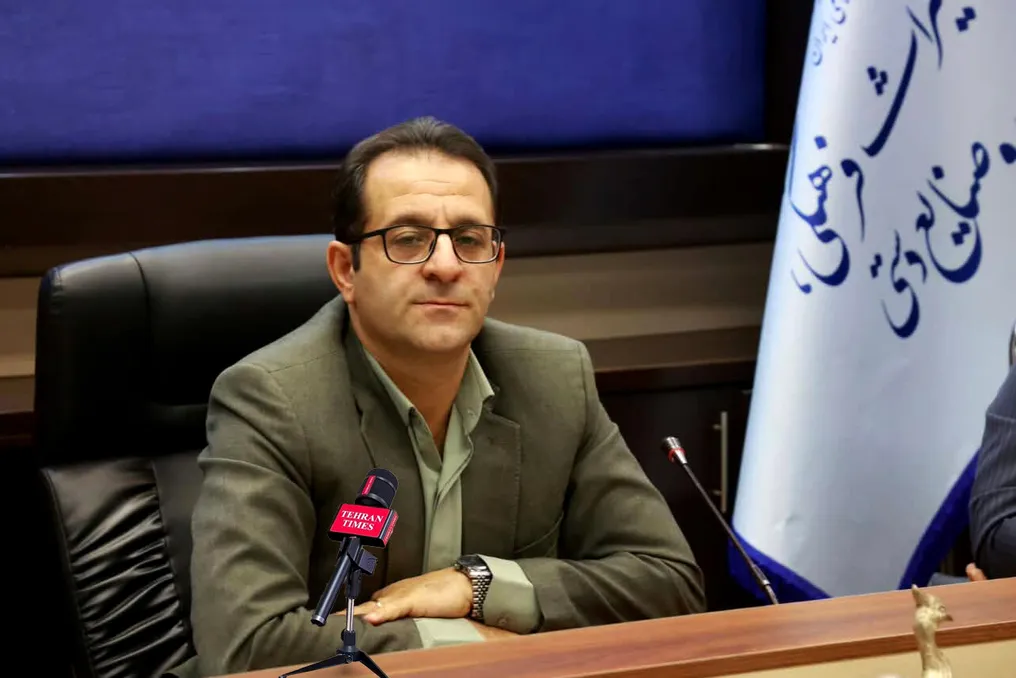
Farzad Piltan, Supreme Advisor and Assistant to the Head of the Iranian Trade Promotion Organization (TPO), as well as Chairman of the Secretariat of the High Export Council, told Mehr News Agency that the government is acting according to a strategy for diversifying transit corridors, incorporating several policy decisions into its agenda.

He emphasized that one of the most important state programs is the activation of the North-South Corridor by accelerating the completion of railway lines and reducing dependence on sea routes.

Furthermore, another state policy involves the effective use and modernization of the Caspian Sea's port infrastructure with the aim of turning it into a transit hub for goods moving from East to West.

The agenda also includes developing land trade with neighboring countries by removing border obstacles and concluding new transit agreements. Piltan noted that these initiatives are aimed at reducing cargo downtime at borders and creating alternative routes in case of restrictions on traditional paths.

According to the representative, corridor diversification can reduce transit costs, increase Iran's competitiveness, generate transit revenues, and strengthen regional interconnectedness. Coordinated coordination between state agencies and more active participation from the private sector are critically important for the successful implementation of these plans.

Iran's transit sector holds a strategic position, utilizing its geography to connect Central Asia, Russia, and Europe through the International North-South Transport Corridor (INSTC).

Similar stories

Iran seeks to strengthen cross-border tourism cooperation with neighboring countries
Read more
www.tehrantimes.com

Iran seeks to strengthen cross-border tourism cooperation with neighboring countries

Iran intends to more effectively utilize the tourism potential of its border provinces by strengthening direct interaction with neighboring states, stated Moslem Shojaei, Director General for Marketing and Development of Foreign Tourism at the Ministry of Cultural Heritage, Tourism and Handicrafts.

In an interview with Tehran Times, Shojaei presented a new initiative aimed at forming tourism partnerships between Iranian border regions and neighboring territories. This program is designed to expand the role of local tour operators in international promotion, facilitate experience exchange among industry specialists, and transform long-standing cultural, linguistic, and commercial ties into new opportunities for attracting foreign visitors.

Amid significant regional uncertainty caused by tensions and the possibility of renewed conflict, the overall tourism environment is influenced by instability. Foreign Minister Abbas Araghi recently emphasized the importance of provincial diplomacy and closer cooperation between border provinces and neighboring countries. A question arises as to how this approach is reflected in tourism policy and the logic behind the initiative known as Gozar-As-Marz, which literally means 'Beyond Borders.'

When the general environment of the tourism industry changes due to regional events, tensions and uncertainty increase. In a situation that cannot be called either war or peace, it is difficult to predict future developments. Naturally, existing strategies and working methods must adapt to these changing circumstances.

One of the key reasons for launching the 'Beyond Borders' initiative was the desire to make the tourism sector more flexible and capable of responding to such conditions. It requires implementing an approach that allows plans to be adjusted and tourism links to be maintained even amid unpredictable broad regional conditions.

The initiative also has a theoretical basis in economics and geography, particularly in the concepts of decentralization and the significance of peripheral regions. Policies developed at the central level cannot always be effectively transferred to border areas without considering their specific characteristics. Without sufficient coordination and cohesion, such a 'top-down' approach can lead to errors.

Border territories are often better informed about their own problems and capable of solving them because they deeply understand local conditions and have direct contacts with communities across borders. This is essentially a 'bottom-up' planning approach, unlike the 'top-down' models that were more common in the 1980s and 1990s.

The main idea is simple: each Iranian border province should establish closer working relations with the corresponding province or region in a neighboring country.

For example, provinces such as Ilam, Khuzestan, Kermanshah, and South Khorasan can cross the border, interact with their partners, and develop joint tourism projects.

Previously, international tourism promotion was often carried out under a centralized model, where it was expected that provinces would attract foreign visitors themselves by conducting advertising campaigns, inviting specialists, and organizing familiarization tours involving influencers to showcase their destinations and products.

However, border provinces have a special advantage. Their local tour operators, tour organizers, and hotel owners are already familiar with neighboring regions and often maintain direct contacts with colleagues there.

Take West Azerbaijan, for instance. Local tourism specialists in this province know the neighboring areas much better than national-level officials. They have already established contacts with tour operators across the border. An initiative that might require two or three months of coordination from the Ministry of Foreign Affairs and other central bodies can sometimes be organized by local operators in just one or two days, using only a few WhatsApp messages, social media exchanges, and meetings. This provides border provinces with greater speed and flexibility in organizing joint events.

There are several factors contributing to the effectiveness of these connections. For example, border communities often have long-standing commercial relationships, cultural similarities, and family ties across state borders. In many cases, people on both sides speak the same language or share closely related cultural traditions.

For instance, Kurdish communities in Kermanshah and Kurdistan province have close cultural and linguistic ties with the Kurdistan region of Iraq. Similarly, Arab communities in Khuzestan maintain cultural and linguistic ties with the Arab population across the border in Iraq.

These ties simplify communication and help tourism specialists understand the preferences, expectations, and interests of potential visitors. As a result, tour operators in border provinces are often better equipped to identify suitable markets, promote local attractions, and attract tourists from neighboring regions. They understand the language, culture, and preferences of their potential clients.

Iran borders 15 countries and has 16 border provinces, opening up significant opportunities for cross-border tourism cooperation. There are numerous potential connections. For example, Sistan and Baluchestan province can develop tourism relations with neighboring Pakistani provinces. South Khorasan can strengthen cooperation with Afghanistan, and Khorasan Razavi can rely on its existing geographical and cultural ties with Afghan regions, including Herat.

Sarakhs and other border areas can also establish closer tourism ties with Turkmenistan. Similarly, Golestan province has opportunities to cooperate with its Turkmen partners. These examples demonstrate how the initiative can develop in different parts of the country. Each province can determine the most suitable neighboring regions and build cooperation based on its geographical location, cultural proximity, and existing economic relations.

One of the main tools will be familiarization tours. Tourism specialists from neighboring countries, especially those involved in sending travelers, will be invited to visit Iranian border provinces to familiarize themselves with their attractions and tourism infrastructure.

For example, tour operators and other tourism representatives from the Kurdistan region of Iraq may visit Kermanshah, Sanandaj, and Marivan to study their tourism potential. They may also visit West Azerbaijan through border crossings such as Tamarchin to get acquainted with the province's attractions and sites.

These programs may include tour operators, hotel owners, tourism service providers, and social media influencers. The goal is to present Iranian destinations and tourism products directly to the people who can promote them and organize trips. Instead of relying solely on centralized advertising events, the aim is to create direct and long-term working relationships between local tourism stakeholders and their partners across the border.

When local authorities are directly involved in these agreements, problems can often be identified and solved faster. Ultimately, the initiative aims not only to promote destinations but also to strengthen the resilience of tourism links. By expanding the powers of border provinces and encouraging direct interaction with neighboring regions, channels for travel and economic exchange can be maintained even in difficult conditions.
Three Iranian Chambers of Commerce and Industry Proposed Import-Export Mechanism to Solve Economic Problems
Read more
www.tehrantimes.com

Three Iranian Chambers of Commerce and Industry Proposed Import-Export Mechanism to Solve Economic Problems

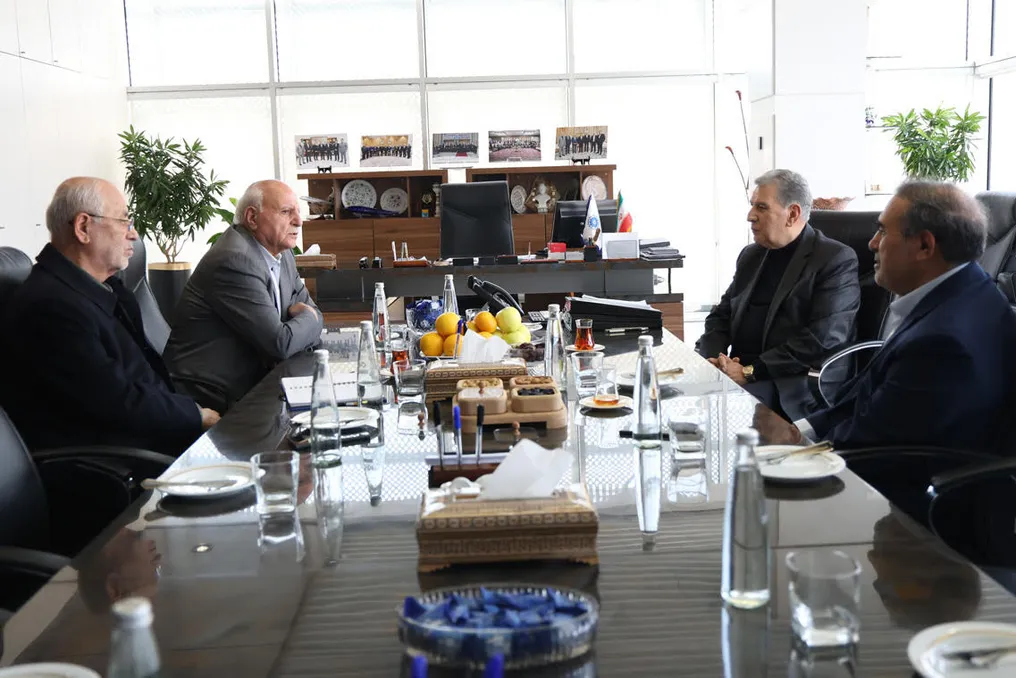
At the monthly meeting of the heads of the Iranian Chamber of Trade, Industry, Mining and Agriculture, the Iranian Guilds Chamber, and the Iranian Cooperatives Chamber, discussions focused on the private sector's concentration on finding solutions to support the government in providing necessary goods to the population.

Samed Hassanzadeh, head of the Iranian Chamber of Trade, Industry, Mining and Agriculture; Ghasem Nodeh Farahani, head of the Iranian Guilds Chamber; and Bahman Abdollahi, head of the Iranian Cooperatives Chamber, emphasized at the joint meeting that the private sector's activities should be oriented towards solving specific tasks and proposing solutions that satisfy the interests of both economic actors and the government.

Samed Hassanzadeh noted that given the complex economy and international difficulties, the private sector is obliged to provide the government with solutions to eliminate economic problems, ensure social stability, and improve citizens' lives.

He believed that developing comprehensive measures that solve multiple issues simultaneously is within the country's intellectual and operational capabilities. He added that one problem for exporters relates to settling currency obligations, while a key issue for the government is increasing people's living stability and ensuring raw materials and necessary goods for production.

The head of the Iranian Chamber proposed a solution to the government to simultaneously address two problems: settling exporters' currency obligations and supplying the population and production with necessary goods. The proposed solution is to instruct exporters to import goods needed by the country in exchange for repaying their currency debts.

After presenting this proposal, the heads of the three chambers concluded that exporters engaged in domestic production should import necessary goods, and incentives must be created for both export and import.

Currently, exporters are only permitted to import raw materials, components, and equipment they require. However, the proposal from the heads of the three chambers was to abolish this restriction and grant general import permission, allowing exporters to import necessary goods in exchange for settling currency obligations within an established limit.

Furthermore, it was decided that since the optimal strategy for the economy under current conditions is maximum private sector participation, the three chambers requested the government to create a mechanism that would allow the private sector to play a more significant role in economic management and increase its involvement in organizing the country's economy.

Another part of the meeting was dedicated to economic diplomacy and the role of the private sector in this area. The chamber heads insisted that the government must create conditions for the maximum participation of the private sector in international relations, economic diplomacy, and utilizing economic ties with neighboring, friendly countries, BRICS members, SCO members, and the Eurasian Economic Union.

Samed Hassanzadeh spoke about the development of economic diplomacy, noting that despite attempts by Iran's enemies to impose a naval blockade and block communication routes, many countries are showing a willingness to expand economic interaction with Iran.

Referring to the visit of the Iranian Chamber delegation to Kenya, Hassanzadeh discussed Iran's high potential for entering the Kenyan and African markets. He reported on the consideration of opening a trade center and a permanent exhibition of Iranian products in Nairobi to establish successful Iranian companies and cooperatives, considering the demand of the Kenyan market.

Bahman Abdollahi, head of the Iranian Cooperatives Chamber, mentioned recent meetings with the ambassadors of Uzbekistan and Kazakhstan in Tehran, highlighting opportunities for off-territorial agriculture in Kazakhstan. He stated that Kazakhstan is a center for agricultural resource production, and due to suitable water resources and arable land area, there is a possibility to cover a significant part of the country's needs for resources and basic goods through off-territorial agriculture in Kazakhstan.

Abdollahi also reported on Uzbekistan's plans to build a new city as a commercial capital, which opens up opportunities for exporting construction materials and technical engineering services from Iran to Uzbekistan, and stressed the need to utilize this opportunity.

Since economic stability is a principle of decision-making in economic activity, it was decided that future monthly meetings of the heads of the three chambers will consider market stability and regulation issues, and corresponding measures will be planned.

Ghasem Nodeh Farahani, head of the Iranian Guilds Chamber, concluded the meeting by stating that the efforts of the three chambers to regulate the market and meet the needs of the population are a great help to the government. He stated that the Iranian Guilds Chamber is ready for any conditions to meet the needs of the population and maintain market stability, drawing on experience gained during recent wars.

Popular