According to Vastu, placing five items in the north direction of the house attracts wealth
Read more
Aaj Tak
www.aajtak.in

According to Vastu, placing five items in the north direction of the house attracts wealth

In Hindu tradition, Kubera Deva is revered as the deity of wealth and prosperity. It is believed that where the grace of Kubera Deva is present, happiness and prosperity are maintained. Within Vastu Shastra, the north direction of the house is designated as the abode of Kubera Deva. This is why special attention should be paid to small details related to this direction. There is a belief that placing certain items in the northern part of the dwelling can bring abundance and joy into the home. If you aim to avoid financial difficulties and maintain well-being in the house, you should definitely place the following five things in the northern sector.

Vastu Tips

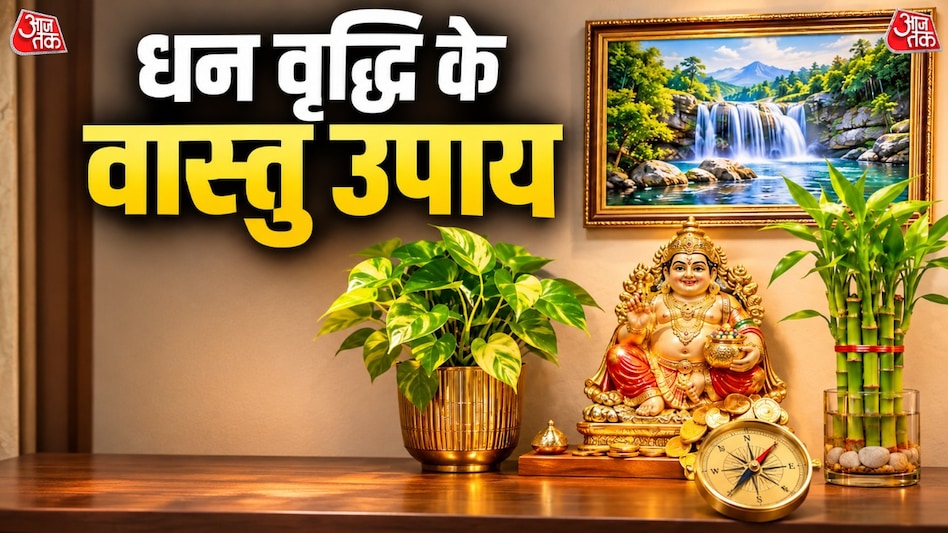
The first thing recommended to place in the north direction of the house is an image or statue of Kubera Deva. In Vastu, this is associated with abundance and happiness. A Kubera Yantra can also be placed in this area. When conducting rituals, close attention must be paid to cleanliness and reverence.

The second is decorating the space with lush plants. According to Vastu Shastra, it is auspicious to plant a money plant and bamboo in the northern part of the house. Additionally, the Tulsi plant can be placed here. It is believed that green plants maintain a positive atmosphere and happiness in the home. It is important to ensure that the plants always remain green and to care for them regularly by removing dry or withered specimens.

The third is placing a small fountain or aquarium. Vastu Shastra allows for the installation of a water fountain or aquarium in the north direction. It is also favorable to keep a turtle made of metal or crystal. According to belief, flowing water is a symbol of progress and well-being. Nevertheless, when placing these items, their cleanliness must be carefully monitored.

The fourth is hanging images with running water. On the wall of the north side of the house, you can hang a picture of a river, waterfall, or running water. In Vastu Shastra, such images are associated with positivity and happiness. Furthermore, a beautiful sign with the name and a wind chime can be installed at the main entrance of the house.

The fifth is placing a metal pitcher in the north direction. According to Vastu, it is good to keep a copper or brass pitcher in the north part of the house. Pure water can be poured into it. It is believed that a pitcher filled with water is a symbol of prosperity and happiness. It is necessary to ensure that the water in the pitcher is changed periodically and that it remains clean.
Similar stories

According to Vastu, five types of plants should be avoided on the roof of a house due to possible negative consequences for well-being.
Read more
www.aajtak.in

According to Vastu, five types of plants should be avoided on the roof of a house due to possible negative consequences for well-being.

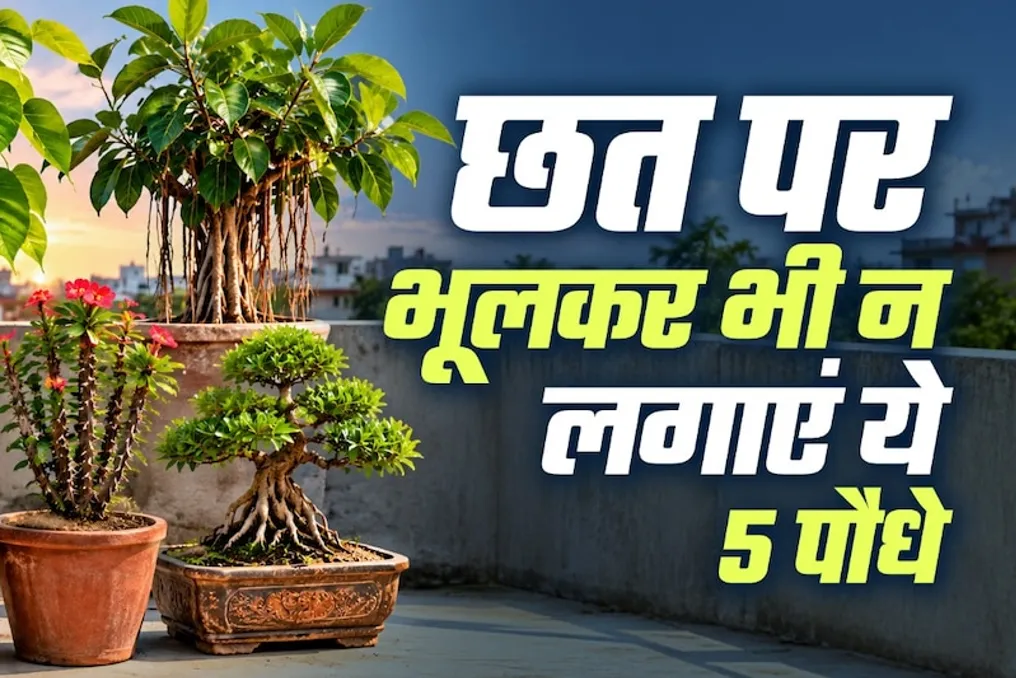
Recently, there has been a significant increase in the popularity of creating garden areas on rooftops. People are using empty roofs to plant various species, turning them into green and picturesque spaces. This not only improves the appearance of the dwelling but also provides an opportunity to spend time in an atmosphere of tranquility amidst greenery. However, according to Vastu Shastra, some types of plants are considered unsuitable for a home. There is a belief that placing such plants on the roof can amplify negative aspects and negatively affect the prosperity and happiness of the family. Therefore, when designing a rooftop garden, it is crucial to carefully select the plants.

Which plants should not be planted on the roof according to Vastu?

There is a number of plants that, in the opinion of Vastu, should not be placed on the roof. The first on the list are cacti and other thorny plants. Although many people prefer them because they require minimal care, Vastu does not favor thorny plants. It is believed that their presence can contribute to increased tension and disagreements within the family, so it is recommended to refrain from planting them on the roof.

Vastu also advises against planting trees such as Peepal and Banyan on the roof, despite their great religious significance in Hinduism. Sometimes birds carry seeds of these trees into cracks in the roof, where they gradually sprout. Since the roots of these trees are very strong, their growth can lead to cracks in the walls and the roof itself, so it is necessary to prevent the appearance of Peepal and Banyan on the roof.

The third point concerns climbing plants that spread everywhere. Although plants like Monstera decorate the house, their uncontrolled spread is considered undesirable from a Vastu perspective. It is claimed that such sprawling can become an obstacle to the development of the house and also lead to financial difficulties. Consequently, climbing plants should be directed and secured with a trellis or support so that they grow in the correct direction.

Furthermore, Vastu disapproves of bonsai and withered plants. Bonsai are valued for their small and beautiful appearance, making them a popular choice for decoration. However, there is a belief that these plants can hinder progress. Additionally, dry leaves and withered plants should not accumulate on the roof; they should be removed regularly.

Finally, the rubber plant is mentioned. This species is known for its large and glossy leaves and is often used to decorate interiors. When placing it on the roof, certain points must be taken into account. Its leaves can suffer from intense sunlight. According to Vastu principles, withered plants are undesirable, so the rubber plant should be placed in a location where it receives sufficient light.

Five Ways to Use Incense (Camphor) According to Vedic Traditions to Improve Life
Read more
www.aajtak.in

Five Ways to Use Incense (Camphor) According to Vedic Traditions to Improve Life

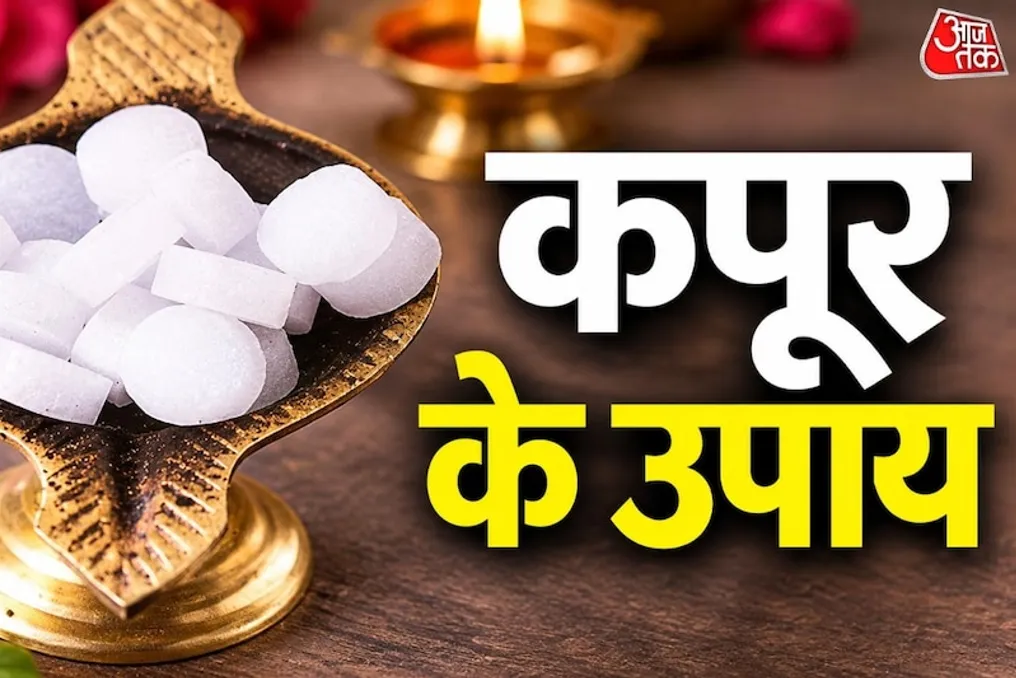
In Hinduism, camphor holds an important place in religious rituals. It is used both in temples and at home during the performance of Aarti. Furthermore, Vastu Shastra emphasizes the special significance of camphor. There is a belief that applying appropriate practices can help reduce many life difficulties and maintain a positive atmosphere in the home.

According to Vastu principles, the proper burning of camphor helps reduce the influence of negative aspects in the house. Below are five simple methods for working with camphor that can promote harmony, peace, and prosperity in the dwelling.

Methods to Combat the Influence of Rahu and Ketu

From an astrological perspective, the adverse influence of Rahu and Ketu can lead to sudden problems and obstacles in work. To alleviate this condition, it is recommended to burn a piece of camphor dipped in coconut oil in the evening or at night on Saturday. Then, the entire house should be fumigated with the smoke. It is believed that this method reduces negativity in the home and also helps eliminate nightmares and work delays.

Ways to Solve Financial Problems

If money does not stay in the house or expenses are rising, one should burn a piece of camphor along with two cloves in a small bowl at night. According to Vastu, this can help mitigate financial difficulties.

How to Relieve Stress

In case of frequent conflicts or tension in the family, it is recommended to perform Aarti in the morning and evening during prayer, burning camphor and spreading its aroma throughout the house. Vastu states that this maintains a calm environment in the home and strengthens the bond between family members.

Attracting Wealth

If money is delayed or savings cannot be accumulated, one should burn small pieces of camphor along with a small amount of cinnamon on Monday. According to beliefs, this method can open paths to income and reduce economic difficulties.

Protection Against the Evil Eye

In case of constant problems or fears of the evil eye, it is recommended to burn camphor together with a dry bay leaf on Thursday. The smoke from this process should be directed near the main doors and windows of the house. It is believed that this eliminates negative energy and improves the overall atmospheric condition.

According to Vastu, five plants attract wealth and improve luck in the home
Read more
www.aajtak.in

According to Vastu, five plants attract wealth and improve luck in the home

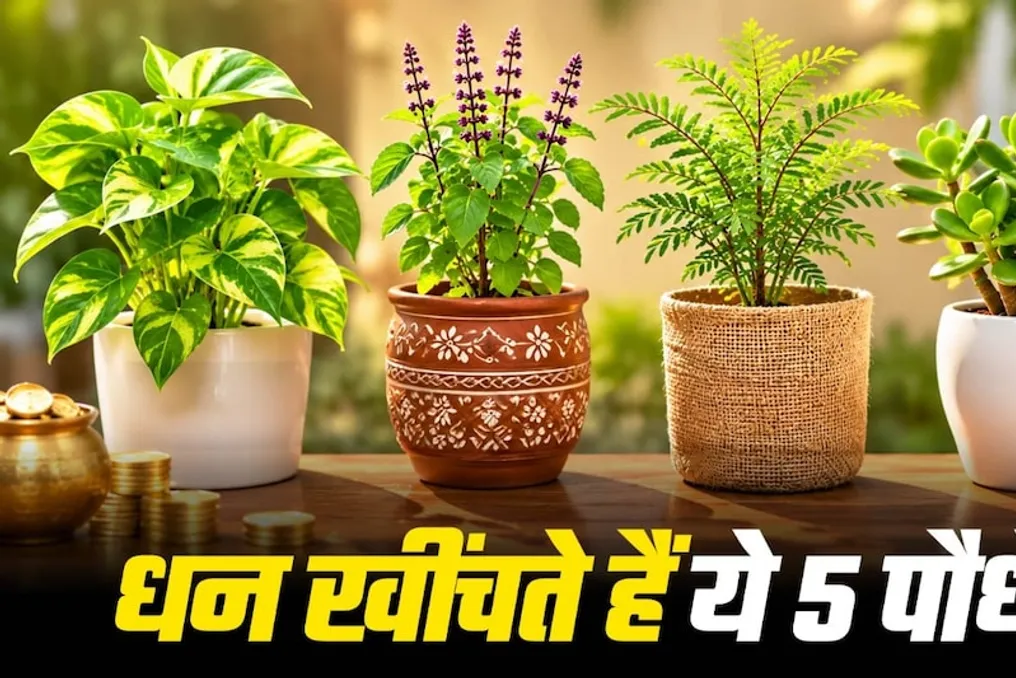
Everyone wishes for their home to never lack money, for the blessings of Mother Lakshmi to remain with the family, and for happiness and prosperity to reign in the household. Therefore, people use various methods, from worship to different Vastu practices. However, perhaps you do not know that some plants planted in the home are also associated with prosperity and wealth?

Vastu Shastra mentions five such plants that are considered extremely auspicious for the home. There is a belief that planting them in the correct direction brings positive energy into the house. The following discusses these five plants and where they should be placed in the dwelling.

Auspicious Plants According to Vastu

1. Money Plant

The Money Plant is considered a symbol of well-being and financial prosperity in the home. According to Vastu, it is most favorable to place it in the southeast direction of the house. It is believed that placing the Money Plant in this direction promotes good opportunities related to money. It is important to always keep its shoots in a green state: water regularly and remove dried leaves.

2. Tulsi Plant

In Hinduism, the Tulsi plant is considered very sacred. Its presence in the home brings good luck. According to religious beliefs, a home where the Tulsi plant remains green maintains peace, tranquility, and positivity. It should be placed in the yard or on the balcony in a spot that receives good sunlight. In many homes, there is a tradition of lighting a lamp next to the Tulsi daily.

3. Shami Plant

The Shami plant is also considered very auspicious in Hinduism. It is associated with the god Shiva and the god Shani. According to belief, having the Shami plant in the home eliminates negativity and supports prosperity. According to Vastu, it is best to plant it in the north or east direction of the house.

4. Jade Plant

The Jade Plant, also called Crassula or Money Tree, is associated with wealth and progress due to its thick green leaves. According to Vastu, it is favorable to keep it near the main entrance of the house. It should be placed where soft sunlight falls. It is believed that this plant brings happiness and well-being into the home.

5. Bamboo Plant

The lucky bamboo is considered beneficial for the home. It is a symbol of peace, progress, and luck. This plant holds special significance in Feng Shui as well. According to belief, placing it in a home or office creates a favorable atmosphere. It should be placed in a spot with sufficient light.

Popular