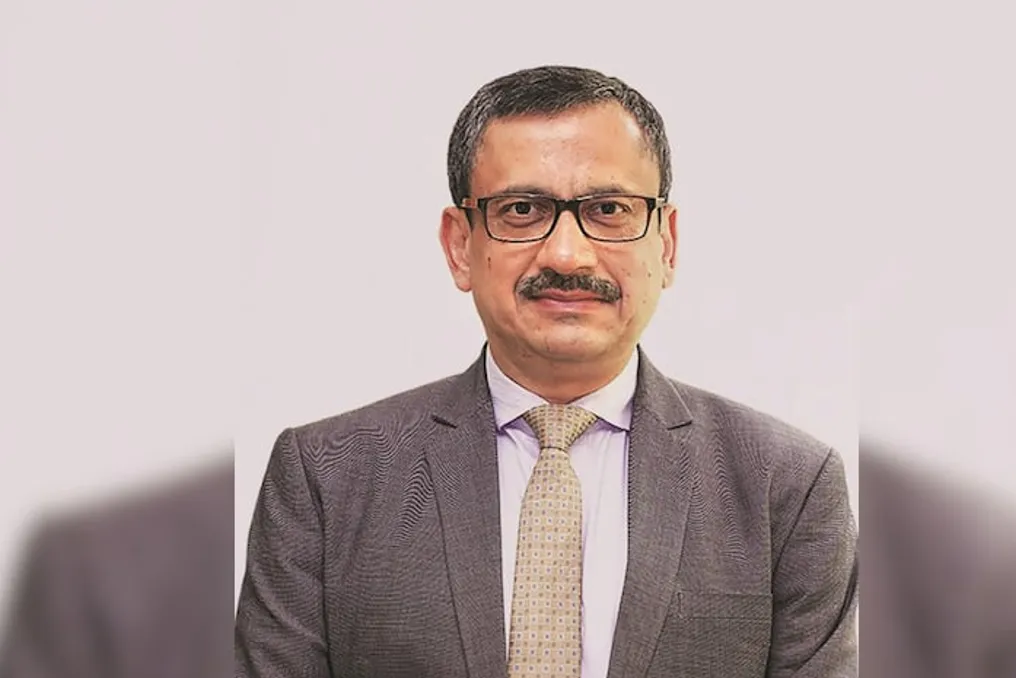
Rohit Jain, Deputy Governor of the Reserve Bank of India (RBI), emphasized the necessity for the pricing of fixed-term government securities underwriting auctions to align with current market conditions. He urged Primary Dealers (PDs) to approach rates responsibly to ensure the success of both underwriting and primary auctions.
Jain made these statements at a seminar organized by the Primary Dealers Association of India (PDAI) in Mumbai on November 23. The RBI published the text of his speech on Tuesday. Primary dealers have exclusive access to such auctions and receive remuneration dependent on the thresholds of these trades. The market typically views underwriting commissions as an indicator of prevailing conditions, which can influence the cost of government borrowing.
Furthermore, Jain noted a decline in demand for long-term government securities. This is attributed to insurance companies and pension funds shifting their assets towards greater equity participation. These institutions were traditionally among the most stable buyers of longer-dated bonds, but their reduced participation has structurally lowered demand for such securities.
Despite the continuous increase in borrowing needs of the Central Government and states, even a slight rise in yields poses a significant burden on the budget. As of the end of March 2026, commercial banks accounted for 35 percent of the total ownership of government securities, leading the way, followed by insurance companies and union funds.
However, the capacity of institutional investors to absorb longer-dated issuances remains limited. Jain added that asset managers and other investors are becoming more selective regarding maturity, liquidity, and market value risks, which may hinder the sale of long-term government securities at attractive yields.
On secondary market liquidity
Regarding secondary market liquidity, Jain reported that trading was heavily concentrated in five leading government securities, which accounted for about 72 percent of volumes over the last 12 months. Trading was also concentrated within a narrow range of maturities, especially in 10-year benchmark securities. Securities with maturities up to five years and over 15 years constituted only about 7 percent of trades in the first half of FY27.
State government securities accounted for only 5 percent of secondary market turnover during this period, despite growing state borrowings and the implementation of the Benchmark Issue Strategy. Although the reduction in the frequency of benchmark issues and the increase in auction sizes helped improve liquidity, trading activity remained low compared to other markets.
Jain proposed that primary dealers contribute to deepening the market by activating market-making activities, particularly through bilateral off-cycle security quotes. The proportion of PD subscriptions in central government primary auctions decreased from 65 percent in FY25 to 54 percent in FY26, but then recovered to 58 percent in the first half of FY27. The average participation of PDs in state government securities auctions also fell to 41 percent from 45 percent over the previous two years. Meanwhile, participation in treasury bill auctions remained at 73 to 76 percent.
In the secondary market, PDs are responsible for approximately 60 percent of the turnover in fixed-term government securities, 45 percent in treasury bills, and about 50 percent in state securities.
Jain also called for increased participation of retail investors in the government securities market. Since the launch of the Market Making Scheme via direct access for retail investors in November 2021, PDs have conducted transactions worth INR 8,438 crore with Retail Direct gilt account holders, which he termed a modest figure. He requested PDs to conduct awareness campaigns to educate retail investors about government securities and develop products tailored to their needs, including less complex, shorter-duration STRIPs.
Concerning the foreign exchange market, Jain noted that Standalone Primary Dealers (SPDs) are permitted to offer all interbank market opportunities available to Category I authorized dealers, provided prudential norms are adhered to. However, initial interest was slow, and SPDs must accelerate the process of building infrastructure, risk management systems, and skills necessary for active market participation.
Currently, there are 21 primary dealers in the country, seven of whom are standalone PDs, and 14 belong to banks. Jain also addressed PDs, urging them to strengthen their market research and analytical capabilities, as well as invest in technological and cybersecurity infrastructure. He stressed the need for high standards of market conduct, fair trading, and transparency, stating that primary dealers must transform from market participants into 'active architects of market development.'