Workers' protests continue in Bangladesh for the 24th day despite use of force and arrests
Read more
Aaj Tak
www.aajtak.in

Workers' protests continue in Bangladesh for the 24th day despite use of force and arrests

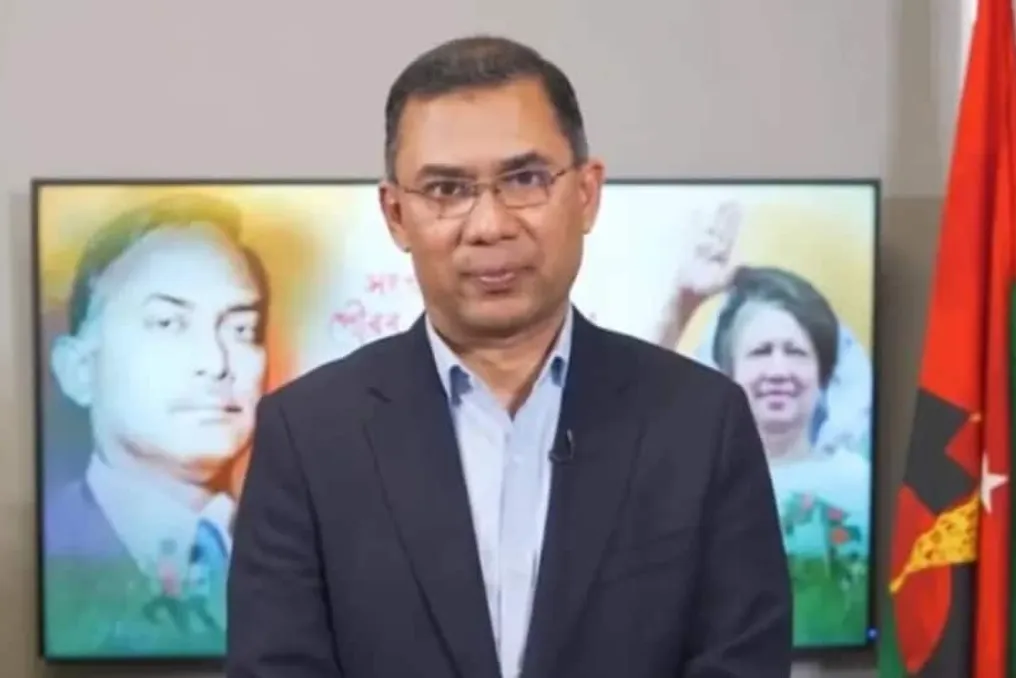
The workers' movement continues in Bangladesh for the 24th day. The protests began against the backdrop of Hasina's return, after which leaders and activists of the Awami League started taking to the streets while under sanctions. Simultaneously, the government of Tarique Rahman faces challenges on another front.

The workers' movement in Bangladesh's textile industry has lasted for the last 24 days, causing a tense atmosphere across the country. Despite the use of batons, tear gas, and arrests, Tarique Rahman's government has been unable to stop the workers' protests.

Workers at textile factories are continuously demanding an increase in wages and a raise in the minimum wage. The demonstrations have spread to many industrial areas. Clashes between workers and police have occurred in several places.

The main demand of the workers is to raise the current monthly minimum wage from 12,500 Taka to 30,000 Taka. Workers argue that due to rising prices, expenses for food, housing rent, and other necessary expenditures, the current salary is insufficient to support a family. Putting forward their demands, thousands of workers took to the streets in Dhaka, Gazipur, Ashulia, and Savar, blocking highways. The police used tear gas, noise grenades, and batons to disperse the demonstrators. In some places, clashes with the police occurred, accompanied by stone-throwing and vehicle arson.

As a result of the protests, the work of hundreds of textile factories has been affected. Industry producers offered a wage increase of approximately 15 percent compared to the workers' demand of 30,000 Taka. It is estimated that the damage to 317 factories due to the protests will amount to about $42.8 billion. The movement of textile and garment workers in Bangladesh continues on its 24th day.
Similar stories

Textile workers' protests in Bangladesh lead to police mobilization and clashes
Read more
noticiasaominuto.com

Textile workers' protests in Bangladesh lead to police mobilization and clashes

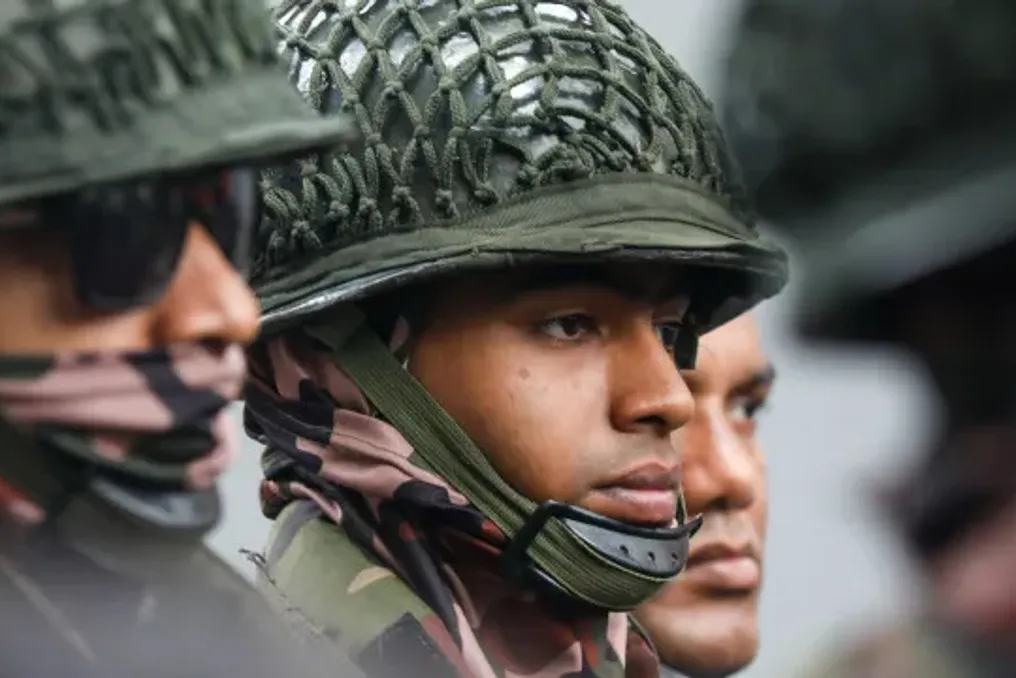
Law enforcement agencies in Bangladesh patrolled the streets of the capital on the day textile sector workers held demonstrations demanding a wage increase. These protests spread to other industrial zones across the country and provoked clashes with the police.

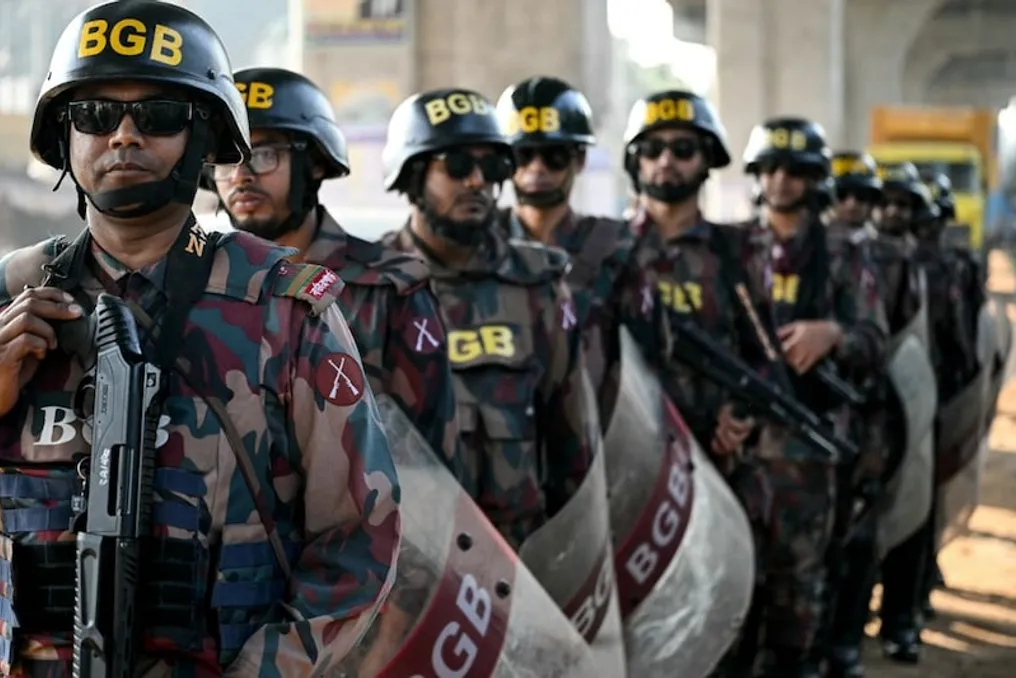
Agents of the Bangladesh Coast Guard (BGB) were observed in the streets of Mirpur—one of the main protest points in the capital. Workers attempted to block roads, insisting that the minimum monthly wage be raised from 12,500 Taka (about 90 euros) to 30,000 Taka (216 euros).

According to the local newspaper The Daily Star, the police used tear gas and noise grenades to disperse demonstrators in Mirpur and other industrial areas near Dhaka, such as Gazipur, Savar, and Ashulia. Road blockades and suspension of operations also occurred in these locations.

The Coast Guard maintains its units in the industrial zones of Dhaka, Gazipur, and Narayanganj, as reported by the force itself.

The protests, which began in mid-October and subsequently covered major textile centers nationwide, have led to the temporary or indefinite closure of dozens of production facilities. According to The Daily Star, at least 62 production units remained closed in Gazipur, Savar, and Ashulia on Monday.

The conflict intensified after the postponement of the council meeting responsible for wage negotiations to the 23rd. At this meeting, the employers' representatives' proposal was scheduled to be presented.

Workers are demanding a substantial increase in income due to the rising cost of living, while the Government seeks to reach an agreement that allows production to resume. Bangladesh is the second-largest global garment exporter, and the light industry accounts for about 80% of the country's export earnings. This sector employs millions of people, most of whom are women, and supplies numerous international brands.

Textile industry migrant workers in Bangladesh protest over wage demands; 50 factories closed, security forces deployed
Read more
www.aajtak.in

Textile industry migrant workers in Bangladesh protest over wage demands; 50 factories closed, security forces deployed

Unrest among workers in Bangladesh's textile industry has flared up again. On Sunday, employees of garment factories held demonstrations in several industrial areas, demanding an increase in wages. Amid these protests, 13 garment factories were uncertainly closed, and another five declared a holiday. According to factory owners, the total number of enterprises whose operations were disrupted in the industrial zone reached 50.

Workers took to the streets in the areas of Konabadi and Mauchak, located near the capital Dhaka, in Gazipur. Police used tear gas and sound grenades to disperse employees who were protesting near one of the garment factories. Local time indicated that the police began actions around 8:30 AM. Subsequently, employees from neighboring factories also took to the streets, forcing management to close several production workshops.

Amjad Hossain, Superintendent of Gazipur Industrial Police, reported that on Sunday morning, workers attempted to gather in various locations, but security forces prevented this in a timely manner. A police presence has been deployed in sensitive areas of the industrial zones. To maintain law and order, the Bangladesh Coast Guard (BGB) deployed 13 platoons of paramilitary forces. Additionally, personnel from the anti-terrorism police, special response battalion, and Ansar Battalion were involved in security provision. Furthermore, 25 executive magistrates assumed relevant duties.

Workers in Bangladesh's garment sector have been demanding an increase in the minimum monthly wage from 12,500 BDT to 30,000 BDT for several weeks. They argue that the costs of food, housing rent, transportation, and medical care are constantly rising, while their income has not increased proportionally to these expenses.

The government established a Minimum Wage Council on November 1st. At the first meeting of the Council, it was decided to finalize recommendations for the new wage system by the end of November. The next Council meeting is scheduled for Monday, where representatives of the Bangladesh Garment Manufacturers and Exporters Association (BGMEA) will also present their proposals and demands.

Bangladesh is the second-largest apparel exporter in the world after China. More than 4 million people work in this industry, and its share of the country's total export revenue exceeds 80 percent. International brands such as H&M, Zara, and Gap purchase clothing from Bangladesh.

Factory owners warned that continuous strikes and factory closures during the peak production season could negatively affect the delivery of orders for the spring and summer collections. This creates a risk of weakening foreign buyer confidence and order cancellations.

Popular