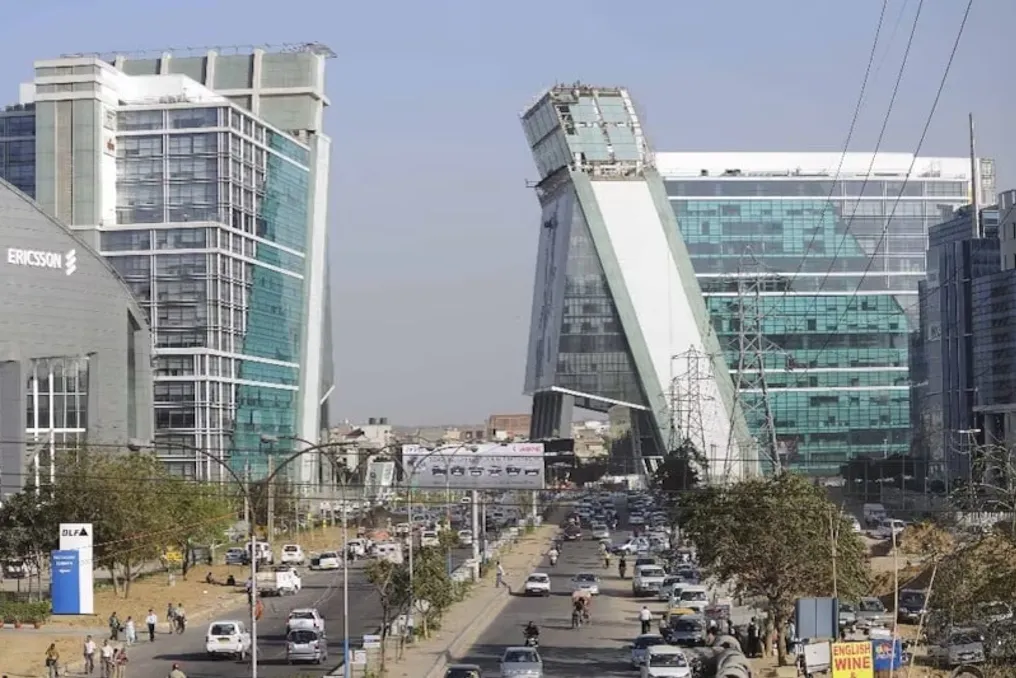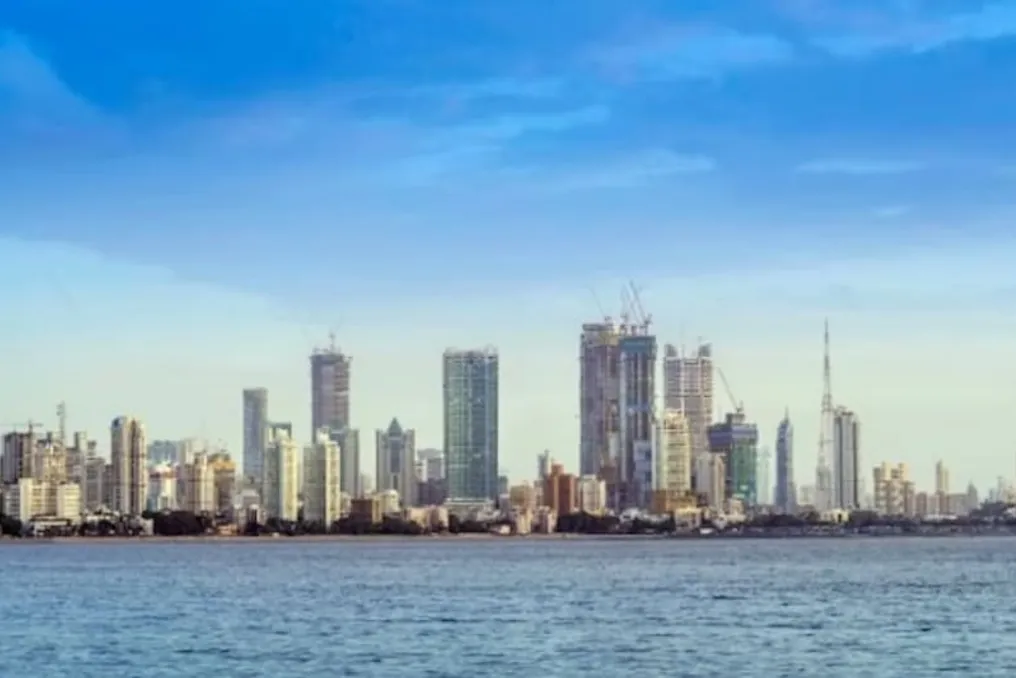
Mumbai real estate market attracts foreign investors, investments have increased sevenfold
Read more
Aaj Tak
www.aajtak.in

Mumbai real estate market attracts foreign investors, investments have increased sevenfold

Mumbai has entered the list of ten leading cities in the Asia-Pacific region preferred by foreign investors for real estate investments. Trends in the Indian real estate market are also undergoing significant changes. Investors are now showing interest not only in office properties but also in the hospitality business, the hospitality sector, and other alternative types of real estate.

According to a recent report by Colliers, the volume of investments in the hospitality and alternative real estate sectors in India increased six to seven times from January to September 2026 compared to the same period last year.

The report indicates that Mumbai is one of the most attractive real estate markets for foreign investors in the Asia-Pacific region. Other cities on this list include Tokyo, Osaka, Sydney, and Singapore. Global investors are looking for markets where they can achieve the best returns through rent increases and property quality improvements.

The Colliers report demonstrates that the real estate investment strategy in the Asia-Pacific region is also transforming. Investors are preparing funds for investments in properties whose value and returns can be increased through modernization, development, or other transformations. For 2027, 60 percent of the total planned investor capital is reserved for value enhancement and opportunity-related strategies.

In India, office real estate accounted for the largest share of investments from January to September 2026 at 37 percent. However, it was investments in the hotel sector and alternative real estate that showed the fastest growth, increasing six to seven times compared to the previous year for the same period.

According to the report, 66 percent of investors in the Asia-Pacific region believe that rent growth will positively impact real estate investments in 2027. Furthermore, 53 percent of investors expect regional economic growth to strengthen the market.

Theo Novak, Managing Director of Capital Markets at Colliers in the Asia-Pacific region, noted that under conditions of high interest rates, opportunities for investors increase in markets with strong economic growth, limited real estate supply, and growing rental demand. In such locations, investors can find better chances to increase their profits.

The report also identified an important trend related to the data center sector. 40 percent of investors in the Asia-Pacific region prefer land plots with electricity supply for data center investments. A land plot with electricity supply is land that has the necessary electrical capacity and other infrastructure for operating a data center. This indicates that with the growing data center business, the availability of not only land but also electricity and other amenities is becoming a key investment factor.
Similar stories

Mumbai enters top 10 destinations for real estate investment in the Asia-Pacific region, according to Colliers
Read more
business-standard.com

Mumbai enters top 10 destinations for real estate investment in the Asia-Pacific region, according to Colliers

According to Colliers' report on global investors for 2027, Mumbai has secured a spot among the ten most preferred destinations for cross-border real estate investment in the Asia-Pacific region (APAC). This success is attributed to growing investor confidence, infrastructure development, high demand from tenants, and increased availability of investment-grade assets.

Badal Yagnik, CEO and Managing Director of Colliers India, noted that Mumbai's inclusion in the list of preferred destinations underscores the growing confidence of global investors in India's established markets and their long-term growth potential.

The report indicates that major Indian cities continue to demonstrate a wide range of investment activity across segments such as residential, industrial, logistics, data centers, hospitality, and other types of real estate. India's appeal, particularly Mumbai's, is enhanced by strong tenant demand, a deep pool of investment-grade assets, improved infrastructure, and increased participation from institutional players.

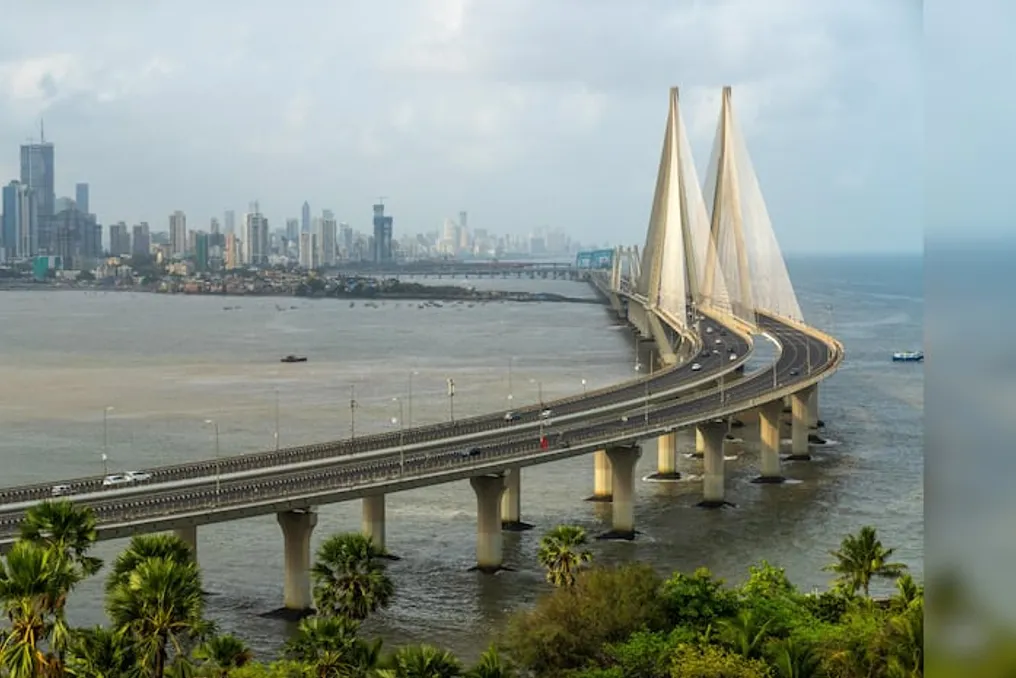
Current infrastructure projects, including the Mumbai Trans Harbour Link and Navi Mumbai International Airport, contribute to improved regional connectivity and may open new corridors of growth within the metropolis. Yagnik also forecasts that in 2027, key investment themes will be asset repositioning, sustainability initiatives, operational improvements, and AI-driven transformation.

Globally, Tokyo topped the ranking of preferred destinations for cross-border investment activities in the Asia-Pacific region, followed by Osaka and Sydney. Other priority locations in the region included Melbourne, Singapore, Brisbane, Sapporo, and Seoul.

Investors in the Asia-Pacific region face higher financing costs; meanwhile, 60 percent of capital investments in the region are focused on value-added strategies and opportunistic approaches. The report added that sustained tenant demand, rental growth potential, and improving market conditions support more selective capital deployment in markets and sectors that deliver income growth, value creation, and long-term stability.

According to the report, Grade A office assets in Mumbai, Bangalore, Delhi-NCR, Hyderabad, and Pune are expected to remain a preferred choice for investment in India, driven by tenant demand, including Global Capability Centers (GCCs). However, beyond offices, investment activity is gaining momentum in industrial and logistics, residential, hospitality, and alternative assets.

In the first nine months of 2026, office assets accounted for 37 percent of total real estate investment in India. Meanwhile, investments in alternative and hospitality assets increased six to seven times compared to the same period in 2025. Within alternative assets, data centers are attracting increased investor interest in cities like Mumbai, linked to growing requirements for hyperscaling and expanded use of corporate data.

Real estate investments are changing trends: the hotel and hospitality sector has grown sixfold
Read more
www.aajtak.in

Real estate investments are changing trends: the hotel and hospitality sector has grown sixfold

Investment trends in the real estate sector are transforming, with significant growth observed in the hotel and hospitality sector. In nine major markets of the Asia-Pacific region, real estate investments increased by 13%, reaching $167 billion. In India, the total investment volume grew by 39% from January to September 2026. Foreign investor interest is expanding to include hotels and other new asset classes, in addition to office and retail properties.

Methods of investing in the Indian real estate market are rapidly changing; investors are no longer limited to office and retail properties. Interest is growing in hotels, hospitality, and other alternative real estate assets. A prime example is the investment growth in India's hospitality sector, which increased approximately sixfold in the first nine months of 2026 compared to the same period last year.

According to a report by the real estate consulting firm Colliers, real estate investments in India increased by 39% year-on-year from January to September 2026. Meanwhile, in nine key markets of the Asia-Pacific region, the total investment volume grew by 13%, amounting to $167 billion. The report indicates that investors are increasingly turning to new sectors and alternative investment options, moving beyond traditional real estate.

In India from January to September 2026, office real estate accounted for 37% of the total real estate investment volume. However, the fastest growth was noted in the hospitality and alternative asset sectors. Investments in these two sectors increased by approximately six to seven times compared to the same period last year. The hospitality sector includes hotels, resorts, and related real estate properties.

Alternative assets represent investment options different from traditional office and retail properties. The growth in investments in these sectors indicates that real estate investors are interested in placing their capital in various types of property. Foreign investors also played a significant role in this shift. According to the report, about three-quarters of the investments in alternative assets in India came from foreign investors. Almost the entire investment volume in the hospitality sector was made by foreign investors.

The total real estate investment in nine key markets of the Asia-Pacific region from January to September 2026 amounted to $167 billion, which is 13% more than in the same period last year. During this period, foreign investors channeled $53.5 billion. Notably, foreign investors invested an amount equivalent to the entire 2025 investment in just the first nine months.

Japan was the largest market in the region with investments of $40.6 billion. It is followed by China with $32.5 billion, Australia with $25.9 billion, South Korea with $22.8 billion, and Singapore with $20.4 billion. The fastest investment growth occurred in Singapore, where real estate investment volume from January to September 2026 tripled compared to the previous year. Although the total investment in India was less than in these major markets, its annual growth of 39% maintained it as an important market for investors.

Office real estate remains the largest investment sector in the Asia-Pacific region. From January to September 2026, $59.1 billion was invested in this sector, accounting for about 35% of the total investment volume. Office investments grew by 8% compared to the same period last year. However, the growth rate was higher in sectors such as retail and data centers. Investments in retail real estate grew by 44%, reaching $35.9 billion. $35.6 billion was invested in industrial real estate, and $14.6 billion in data centers. This amount exceeds the investment volume for the entire year of 2025. The report states that in the third quarter, the sectors showing year-on-year investment growth were retail and data centers.

In India from January to September 2026, the year-on-year increase in foreign investment was 17%. At the same time, the share of domestic investors in the total investment volume remains high. During this period, 59% of India's real estate investment came from local investors. Particular attention was drawn to investments from countries in Canada, the USA, Europe, the Middle East, and Africa, i.e., from the EMEA region.

Foreign investor interest is shifting from traditional office real estate to hospitality and alternative asset sectors. According to Badla Yagnik, CEO and Managing Director of Colliers India, the participation of foreign capital remains strong in the Indian real estate market alongside domestic investments. The 17% growth in foreign investment in January-September 2026 demonstrates the confidence of global investors in India's long-term development. He added that foreign investors are now looking for opportunities not only in traditional real estate but also in the hospitality and alternative asset sectors.

According to the Colliers report, in 2027, investors may prefer markets where real estate income growth is expected due to economic development, limited supply, and tenant demand. Furthermore, the renovation of old buildings is planned.

Experts assess potential benefits for Gurugram real estate market from the Greater SPR project
Read more
www.aajtak.in

Experts assess potential benefits for Gurugram real estate market from the Greater SPR project

The Gurugram real estate market is expected to receive a new impetus soon. The Haryana state government is advancing the land acquisition process for the Greater Southern Peripheral Road (Greater SPR) project, having approved compensation rates for six villages. Approximately 160 acres of land will be acquired under this project, with an estimated cost of about 986 crore rupees. This road initiative is anticipated to improve transport accessibility in Gurugram and surrounding areas. Real estate specialists believe this could increase demand for property and development potential in areas adjacent to this road.

The Haryana Land Acquisition Department has executed the acquisition of approximately 160 acres of land on behalf of the Haryana Urban Development Authority (HSVP). Compensation rates ranging from 4.92 crore to 8.25 crore rupees per acre were set in the six villages. Badshakhpur will receive the highest compensation at 8.25 crore rupees per acre, followed by Maidawas (6.17 crore rupees), Behrampur (5.26 crore rupees), Dumaspur (5.19 crore rupees), Ullawas (4.96 crore rupees), and Kadarpur (4.92 crore rupees). Furthermore, 116 acres of land required for the road project have already been transferred to the government in exchange for Transferable Development Rights (TDR), indicating significant progress in land collection for the project.

Sudanshu Dutt, CEO of Elevate Homes, emphasized that transport accessibility plays a crucial role in determining real estate demand and long-term area development prospects. He noted that the progress in the Greater SPR project is encouraging, especially for developing zones bordering Sector 63A and the Golf Course Extension road. According to him, improving the road network will facilitate access to these areas, which could boost housing demand. Investments in such infrastructure not only influence homebuyers' choices but also open up new opportunities for planned urban development. However, the full effect of such projects will only be realized upon timely completion of construction work.

Manik Malik, President and CEO of BPTP, stated that infrastructure is paramount for the development of any city. He viewed the Greater SPR project as a major step towards improving Gurugram's connectivity. In his opinion, building good roads will simplify access to both residential and commercial zones, enhancing people's daily lives and paving the way for the development of new residential areas. Malik added that Gurugram is already a preferred choice for homebuyers, and such an infrastructure project will increase demand for homes by offering people the opportunity for long-term investments with improved conditions.

Rishab Perival, Senior Vice President of Pioneer Urban Land and Infrastructure Limited, believes that the Greater SPR plan has the potential to be a powerful catalyst for growth in the Gurugram real estate market. He specifically highlighted that areas along the Golf Course Extension road, the Southern Peripheral Road (SPR), and adjacent new residential and commercial areas could benefit. Improved connectivity between these locations and major business centers and commercial hubs will ensure easy movement, reduce congestion on main roads, and make these areas more attractive to both residents and investors.

Sudeep Bhatt, Strategy Director at WhiteLand Corporation, noted that the Southern Peripheral Road area has become one of Gurugram's fast-developing real estate zones. There is significant potential here not only for residential but also for commercial activities. The creation of Greater SPR will streamline movement throughout this area and promote the development of new, well-equipped residential zones. He concluded that as residential projects are completed and these areas are populated, the demand for shopping malls, offices, businesses, and other necessary services will increase, making the area attractive to both homebuyers and entrepreneurs and investors.

Popular