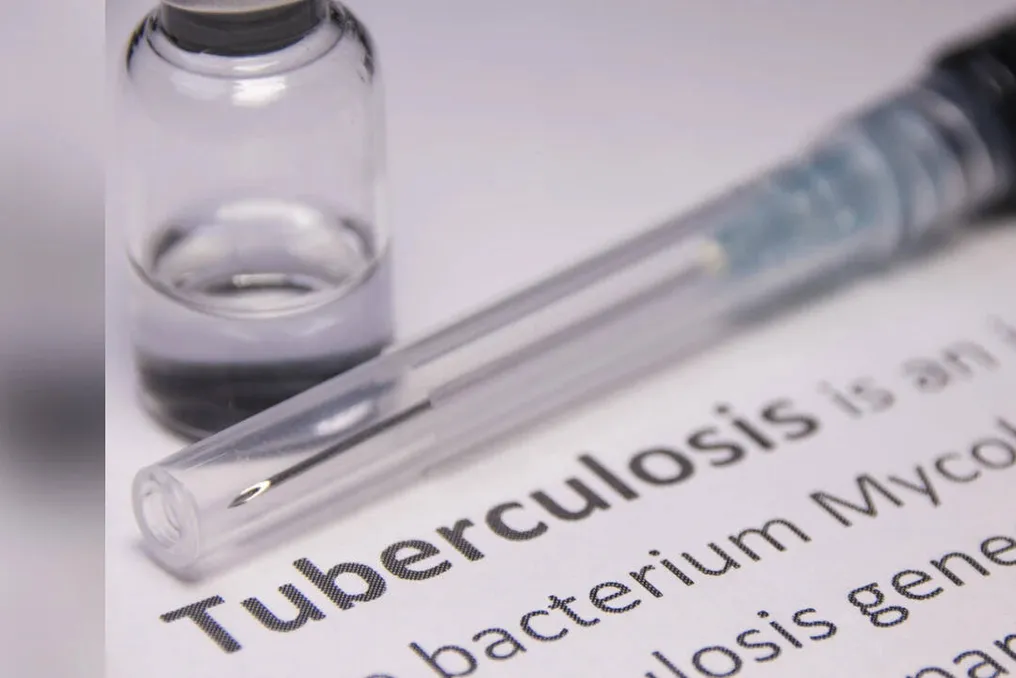
Tuberculosis mortality in India decreased by 38% due to public health efforts
Read more
The Better India
thebetterindia.com

Tuberculosis mortality in India decreased by 38% due to public health efforts

Tuberculosis diagnosis can fundamentally change a person's life. Early detection of the disease, prescription of correct treatment, and assistance to the patient in completing it can alter the disease's progression trajectory. Recent data from India indicates that such interventions yield a measurable positive effect.

According to the WHO Global Tuberculosis Report for 2026, the tuberculosis mortality rate in India has dropped from 28 deaths per lakh people in 2015 to 18 in 2025, representing a decrease of 38%. This figure exceeds the global average decline of 35%.

This result reflects a comprehensive public health approach that includes active screening, accelerated diagnostics, and support for patients outside clinical settings. The current task is to expand these solutions and make healthcare more accessible and complete.

Detecting Tuberculosis Before It Finds the Patient

Previously, the discovery of tuberculosis often depended on whether people recognized symptoms and sought medical attention. However, symptoms can be ignored or concealed due to stigmatization. Active case finding changes this approach: medical teams conduct screening directly in communities and prioritize high-risk groups.

The TB Mukt Bharat Abhiyaan campaign, launched in November 2024, expanded community-level screening. The Ministry of Health and Family Welfare reported that by November 2026, over 250 million people had been screened, including more than 110 million chest X-rays and thirty million molecular tests. Nearly 48.64 million cases were identified under the campaign, about 15 million of whom showed no visible symptoms. It should be noted that these are program figures, not an assessment of all tuberculosis carriers in India.

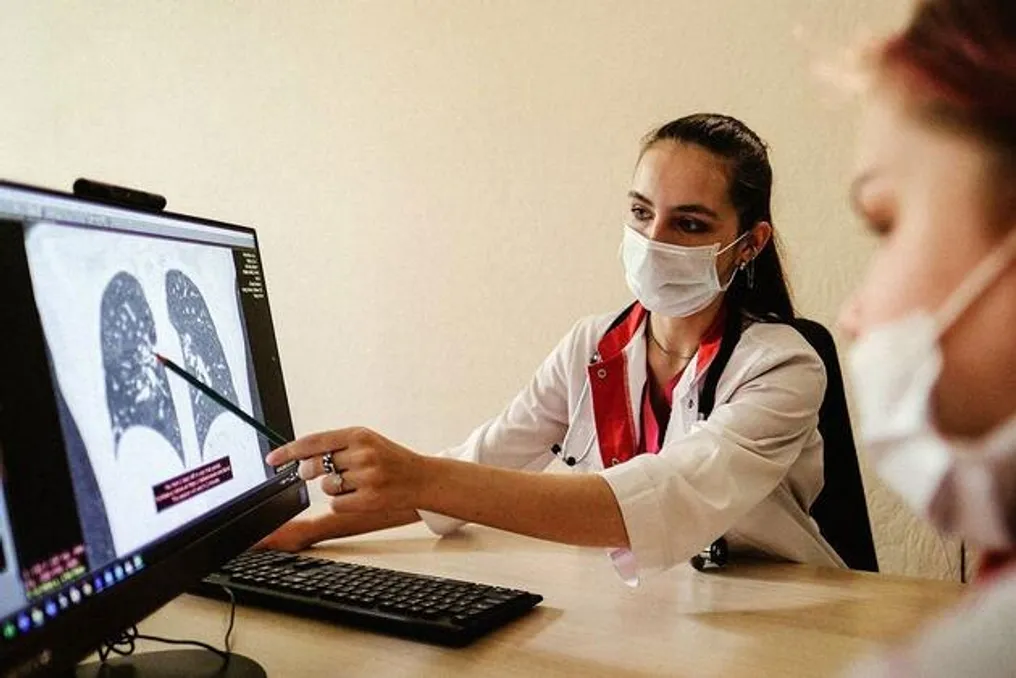
X-rays help identify individuals needing further testing, including those without obvious signs. Molecular tests confirm the presence of tuberculosis and, depending on the test type, determine drug resistance. WHO also notes the increased use of rapid tests: they were used in 46% of registered cases in 2025, compared to 38% in 2024.

Earlier diagnosis means earlier treatment initiation, fewer opportunities for infection transmission, and a higher chance of preventing severe illness. It also allows patients to be connected to appropriate treatment faster, especially when drug resistance is present.

Treatment Requires Support Beyond Medication

Tuberculosis treatment typically lasts several months. Taking medication can be difficult for people facing loss of income, food shortages, travel expenses, or stigmatization. A patient-centric response must account for these obstacles alongside the infection itself.

The Nikshay Poshan Yojana program provides nutritional support during tuberculosis treatment. Individuals and organizations can also register as Nikshay Mitras to provide additional assistance to patients. These measures acknowledge that nutrition and practical support influence a person's ability to continue treatment and recover.

The government reported a 94% treatment success rate among individuals treated for drug-sensitive tuberculosis. This figure does not reflect outcomes for all people with tuberculosis, including those suffering from drug-resistant forms of the disease.

For people who have to travel long distances or whose incomes are unstable, local accompaniment can be the deciding factor between starting and completing therapy. The connection between healthcare workers, families, and civil society organizations helps maintain patients' link to the healthcare system.

Counseling and follow-up monitoring help patients complete the full course of treatment. The tuberculosis patient support initiative demonstrates the importance of guidance alongside medication. Stories of people who recovered after treating drug-resistant tuberculosis underscore the significance of timely testing, appropriate treatment, and continuous support.

Translating Progress into Wider Access

The 38% reduction refers to the decrease in estimated mortality, not a proportional drop in the number of infections. Incidence rates account for new and recurring cases in the population over time, whereas mortality estimates record fatalities from the disease.

WHO has not published a new incidence estimate for India in its 2026 report. These estimates are under review while district-level surveillance data collected in 2025 are being analyzed. Updated figures are expected in early 2027. The previous report estimated a 21% decline in incidence between 2015 and 2024, from 237 to 187 cases per lakh.

This figure remains the latest comparable estimate, not data from 2025. The data gap highlights the importance of strengthening surveillance and obtaining reliable local information. It is also critical to bring screening and diagnostics to remote and underserved areas. Rural screening initiatives offer one way to bring early detection closer to the population. Tuberculosis specialists have also emphasized that treatment must be accompanied by attention to nutrition, living conditions, and other health risks.

India's progress is driven by a combination of different response elements: earlier detection of individuals, improved access to rapid tests, patient support during treatment, and strengthened community involvement. The next step is to ensure the reliability of these services regardless of where a person lives, including prompt drug resistance testing, uninterrupted drug supply, nutritional support, and follow-up care.

A reduction in mortality means more people survive. Maintaining this progress will depend on how few people remain undetected and whether everyone diagnosed with tuberculosis can receive and complete effective treatment. The 38% reduction provides a basis for further developing the achieved results.
Similar stories

Tuberculosis mortality in Uzbekistan decreased by 75%, but the country remains at risk
Read more
podrobno.uz

Tuberculosis mortality in Uzbekistan decreased by 75%, but the country remains at risk

According to the World Health Organization's (WHO) Global Report for 2026, published on November 13, Uzbekistan has made significant progress, reducing tuberculosis deaths by at least 75% compared to 2015 figures. Nevertheless, the country continues to be listed among nations facing a high burden of drug-resistant tuberculosis.

The updated list of 30 countries with a high burden of drug-resistant tuberculosis for the period 2026–2030 includes Central Asian states, as well as Ukraine and Russia. Furthermore, Turkmenistan was included in this list for the first time. At the same time, Belarus and Moldova were excluded from this list and moved to another category of countries.

The WHO expresses particular concern about the resistance of tuberculosis to rifampicin, which is one of the most effective first-line drugs. Eastern Europe and Central Asia show the highest proportion of such cases globally. In several countries in the region, resistance is found in over half of patients who previously underwent treatment.

Despite this, Central Asian countries, along with Ukraine and Russia, have ensured rifampicin resistance testing for at least 80% of patients with a confirmed diagnosis. However, the WHO notes that in the European region, 76% of patients with drug-resistant tuberculosis continue long-term treatment, lasting 18–20 months, instead of the recommended six-month courses.

Globally, approximately 10.6 million people contracted tuberculosis in 2025, and the number of deaths was 1.13 million. Over the period since 2015, global mortality from this disease has decreased by 35%, but tuberculosis remains the leading cause of death among all infectious agents.

According to WHO estimates, last year, 2.2 million infected individuals could not receive a diagnosis or were not accounted for in statistics. Only 59% of patients newly diagnosed underwent the rapid test recommended by the organization. Of the 370 thousand people resistant to rifampicin, only 42% received treatment.

It was also mentioned that starting in 2028, Uzbekistan plans to launch screening in all regions for the early detection of four types of cancer: lung, stomach, colon, and prostate. An amount of 700 billion soms will be allocated annually for the implementation of this program.

According to WHO report, India demonstrated better results in reducing tuberculosis mortality compared to global figures
Read more
www.aajtak.in

According to WHO report, India demonstrated better results in reducing tuberculosis mortality compared to global figures

India has shown higher results than the global average in combating the reduction of tuberculosis (TB) mortality. According to the World Health Organization (WHO) report for 2026, the number of TB deaths in India decreased by 38 percent by 2025 compared to 2015. Meanwhile, the global decrease over the same period was 35 percent. These data indicate the effectiveness of the campaigns against TB being conducted in the country, as well as the successes achieved in treatment.

Significant progress has also been noted in the field of treatment: the success rate of treatment among TB patients taking medication reached 94 percent. The Ministry of Health specified that the WHO used data from multiple sources to assess TB mortality, including the Sample Registration System of the General Registrar of India, community-level surveys, and statistics from the Nikshay portal.

According to the Ministry of Health, the estimated number of TB deaths per hundred thousand population in 2015 was 28, while by 2025 this figure decreased to 18, representing a reduction of 38 percent over the decade.

A nationwide screening campaign for TB was conducted to ensure early detection of infected individuals. The Ministry of Health reported that between December 7, 2024, and November 8, 2026, over 250 million people were included in the TB screening program. Chest X-rays were performed on more than 110 million people during these checks, resulting in the identification of 4.864 million new TB cases. Among these, 1.497 million patients were found who did not have obvious symptoms of the disease, highlighting the importance of detecting such cases, as the illness can remain unnoticed without signs.

Radiological diagnosis using artificial intelligence (AI) is also employed for TB identification. Furthermore, capabilities for rapid disease detection have been expanded. The government asserts that AI tools help identify areas with a high risk of TB, which contributes to the timely detection of vulnerable patients.

Patients receive not only treatment but also nutritional support through the Nikshay Poshan Yojana and Nikshay Mitra initiatives. In 2025, 67,933 panchayats were declared TB-free.

96 percent of the total funds required for the TB control program in India is provided by the country's internal resources. The Ministry of Health emphasized that India covers the majority of the expenses for this campaign independently. The Ministry stated that the fight against TB will continue, focusing on timely patient detection, improving treatment, nutritional support, and public participation.

Data Center: Tuberculosis Mortality in India Decreased by 38% Since 2015
Read more
timesofindia.indiatimes.com

Data Center: Tuberculosis Mortality in India Decreased by 38% Since 2015

According to data from the Ministry of Health of India, the number of deaths from tuberculosis (TB) in the country decreased by 38% between 2015 and 2025. The mortality rate dropped from 28 to 18 cases per hundred thousand population.

The WHO Global Tuberculosis Report for 2026 indicates that India achieved its first milestone of a 35% reduction in mortality under its TB Control Strategy in 2025, which occurred five years after the initially set deadline of 2020.

The Ministry also reported a successful treatment rate of 94% among patients with drug-sensitive TB. This progress is attributed to enhanced case finding, the use of rapid molecular diagnostics, portable X-ray machines supported by artificial intelligence, timely treatment, and nutritional support.

Nevertheless, drug-resistant TB remains a serious problem: in 2025, only 42% of approximately 3.7 lakh global cases of rifampicin-resistant TB were included in the treatment program. India, along with four other high-burden countries, accounts for about 60% of the global treatment gap.

As part of an intensified campaign, the government identified nearly 15 lakh people with TB who showed no obvious symptoms. Between December 7, 2024, and November 8, 2026, the TB Mukt Bharat Abhiyan initiative covered over 250 million people, during which more than 1.1 billion X-rays and 300 million molecular tests were conducted.

According to the ministry, the campaign detected 4.864 million TB cases, including 1.497 million asymptomatic cases. The first intensive 100-day campaign started in December 2024 in 347 high-priority districts across 33 states and union territories, and was subsequently expanded nationwide. The second 100-day campaign began on March 24 of this year and targets 1.58 million villages and high-risk districts, as well as crowded areas and vulnerable populations.

Identifying asymptomatic cases is crucial because individuals without signs of the disease may not seek medical examination. Active screening helps detect them and direct them to treatment sooner.

The Ministry links the improvement in mortality rates and treatment outcomes to the intensification of case finding, the use of rapid molecular diagnostics, AI-supported portable X-ray machines, timely treatment, and nutritional support.

The Nikshay digital platform supports patient tracking and treatment monitoring, while the Nikshay Poshan program provides nutritional assistance to eligible patients. The Nikshay Mitra initiative mobilizes private individuals and organizations to support people undergoing treatment.

The Ministry stated that in 2025, 67,933 panchayats were declared TB-free, and 96% of the TB program's funding needs were covered by domestic resources.

However, the WHO report notes a significant data gap: estimates of TB incidence in India for the period 2010–2025 are being revised following the completion of the first round of district-level surveillance and national TB prevalence surveys. WHO is expected to update India's profile after technical discussions on the new data, likely in early 2027.

India accounts for approximately one-quarter of the global TB burden. In 2025, 10.6 million people worldwide contracted TB, and 1.13 million people died from the disease. The global decline in TB incidence between 2015 and 2025 was only 14%, significantly less than the target of 50% set by the TB Control Strategy for 2025.

Popular