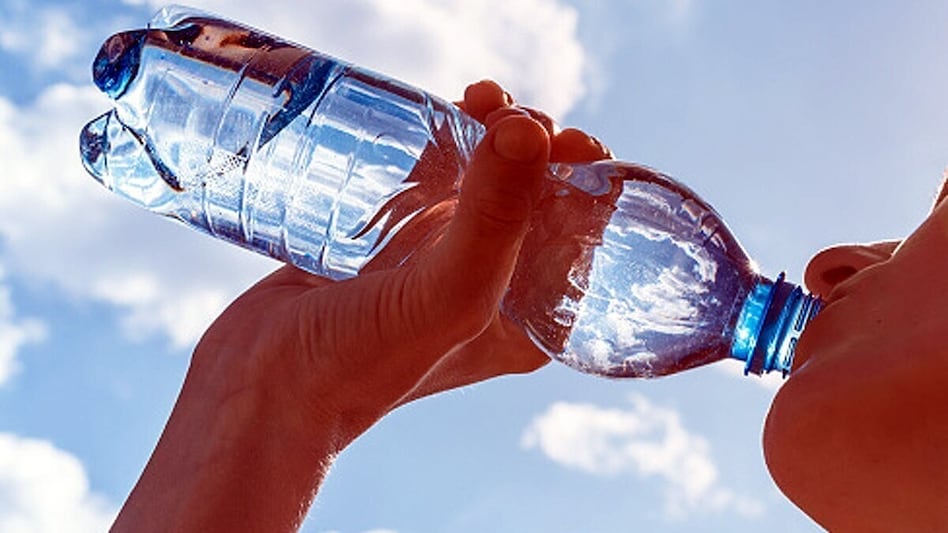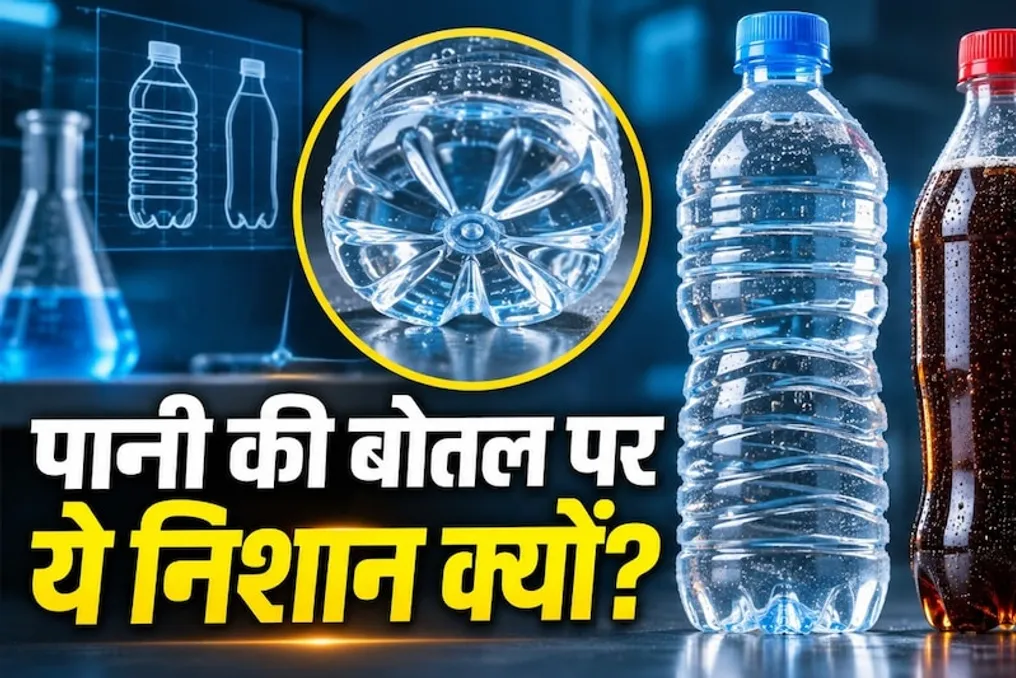
Buying bottled water has become an integral part of daily life, whether while traveling or in the office. However, it has been found that this water may contain tiny plastic particles known as microplastics.
A study published in the journal Results in Engineering analyzed six major brands of bottled water available on the Indian market. The inspection revealed that the water contained between 808 and 1888 microplastic particles per liter, with an average of about 1279 particles per liter. The analysis also identified impurities such as PET, polyethylene, and polypropylene, which are used in the production of bottles and packaging.
When a person consumes bottled water, these particles enter their body. Long-term presence of microplastics in the body can lead to oxidative stress and cell damage, as these small particles are capable of penetrating body tissues. Regarding the risk of cancer development, Dr. Rohit Kapur from the oncology department of Max Medical Center stated that there is currently no conclusive evidence that microplastics cause cancer in humans, but they can damage cells and increase the risk associated with oncological diseases.
The study emphasizes that consuming bottled water itself does not pose a risk of ingesting microplastics. The risk increases if plastic bottles are left in direct sunlight or in a hot car for a long time, or if the same bottle is reused multiple times. Therefore, despite concerns about microplastics, it is crucial to meet the need for water. It is recommended to use safe water, avoiding long-term storage of plastic bottles in the sun or in a hot car.