
Shanghai raises subway ticket prices for the first time in 21 years starting in December
Read more
Noticias ao Minuto
noticiasaominuto.com

Shanghai raises subway ticket prices for the first time in 21 years starting in December

The city of Shanghai has announced an increase in subway ticket prices, which will happen for the first time in the last 21 years. This transport network serves over 3.7 billion passengers annually.

According to the Shanghai Development and Reform Commission, the main economic planning body of the city, the minimum fare will remain at three yuan (0.41 euros), but it will now only apply to the first four kilometers, instead of the previous six, with a gradual increase in cost for distances exceeding this limit.

Estimates published in the summer suggested an average ticket price increase of about 23%, noting that one in every five passengers should not face any price hike.

Authorities reminded that the current tariff system was introduced in 2005 when the metro network consisted of only five lines and 81 stations. Since then, the infrastructure has significantly expanded to approximately 20 lines and over 500 stations, exceeding 900 kilometers in length and becoming the world's largest metro network.

Over the same period, the share of the metro in Shanghai's public transport has increased from 13.5% to 77%. The rapid growth of the network has also led to increased operating costs, as revenue from ticket sales covers only 55% of operational expenses.

The remaining funding, according to city authorities, depends on government subsidies. The city, considered China's economic center, is introducing a new fare system starting December 1st. It will also include travel passes with a fixed number of trips, up to 90 trips within 30 days.

The operator will maintain a 10% discount for passengers who spend more than 100 yuan (13.75 euros) on transport within the same month.
Similar stories

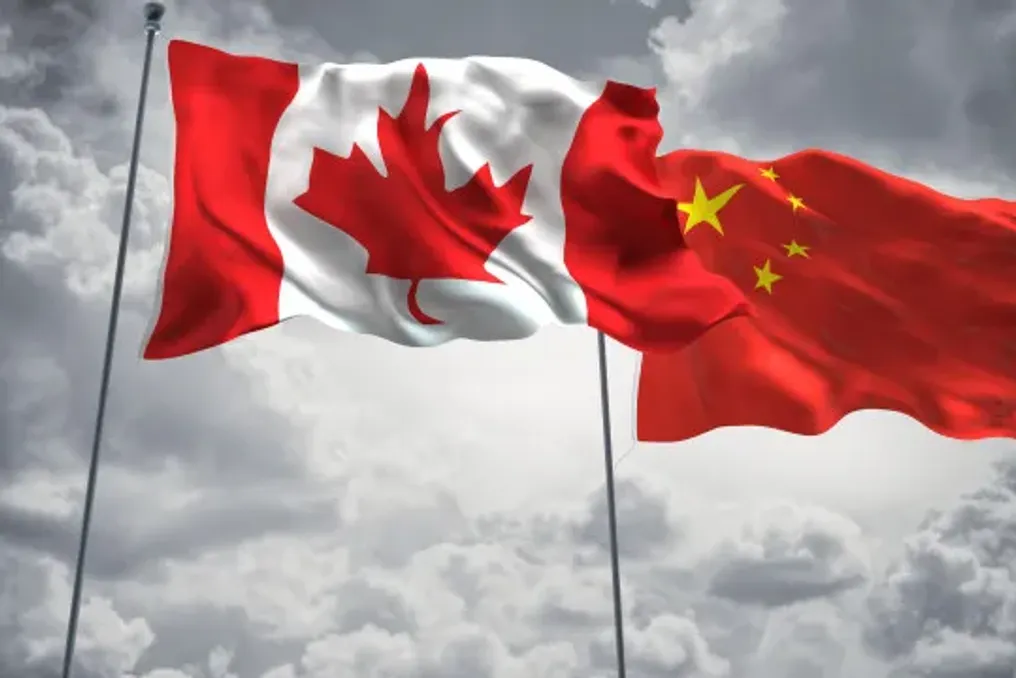
China and Canada Extend Tariff Preferences for New Goods Following Leaders' Meeting
Read more
noticiasaominuto.com

China and Canada Extend Tariff Preferences for New Goods Following Leaders' Meeting

China and Canada have reached an agreement to expand customs exemptions for goods from both countries, including pork, fish, seafood, steel, and aluminum. This was agreed upon during the meeting of relevant officials in Shenzhen.

Chinese President Xi Jinping and Canadian Prime Minister Mark Carney agreed to increase Chinese tariff preferences for Canadian exports, valued at approximately 400 million Canadian dollars (254 million euros).

In turn, Canada agreed to extend existing exemptions for certain Chinese goods made of steel and aluminum for two years, and to expand them to 32 additional categories where national supply is insufficient or absent, according to a statement from the Canadian Prime Minister's cabinet.

The meeting took place on the sidelines of the 33rd Asia-Pacific Economic Cooperation (APEC) Leaders' Summit, which will be held in Shenzhen on Thursday and Friday, bringing together representatives from 21 economies of the forum.

Carney's cabinet reported that the Chinese measures cover frozen pork exports, valued at 116 million Canadian dollars (over 73 million euros), as well as fish and seafood worth 285 million Canadian dollars (181 million euros). Included products are specific shrimp, mollusks, sea cucumbers, and Antarctic albatross.

These measures expand on the trade understanding reached in January, when Xi and Carney agreed to advance a new strategic partnership after many years of bilateral tension.

Carney stated in a declaration that they have 'reoriented relations between Canada and China for the benefit of the citizens of both countries,' emphasizing the need to diversify Canadian trade ties.

The company Otava previously announced in November the extension for two years of Chinese tariff preferences applied to Canadian rapeseed meal, peas, lobsters, and crabs.

Closer ties with Beijing are part of Carney's strategy to diversify Canada's export markets amid trade tensions with the United States, its main trading partner.

Carney also announced a commercial mission to China in 2027 and an initiative to facilitate access for small and medium-sized Canadian enterprises to Chinese e-commerce platforms.

The Shenzhen summit is the third APEC leaders' meeting organized by China, following events in Shanghai in 2001 and Beijing in 2014.

Popular