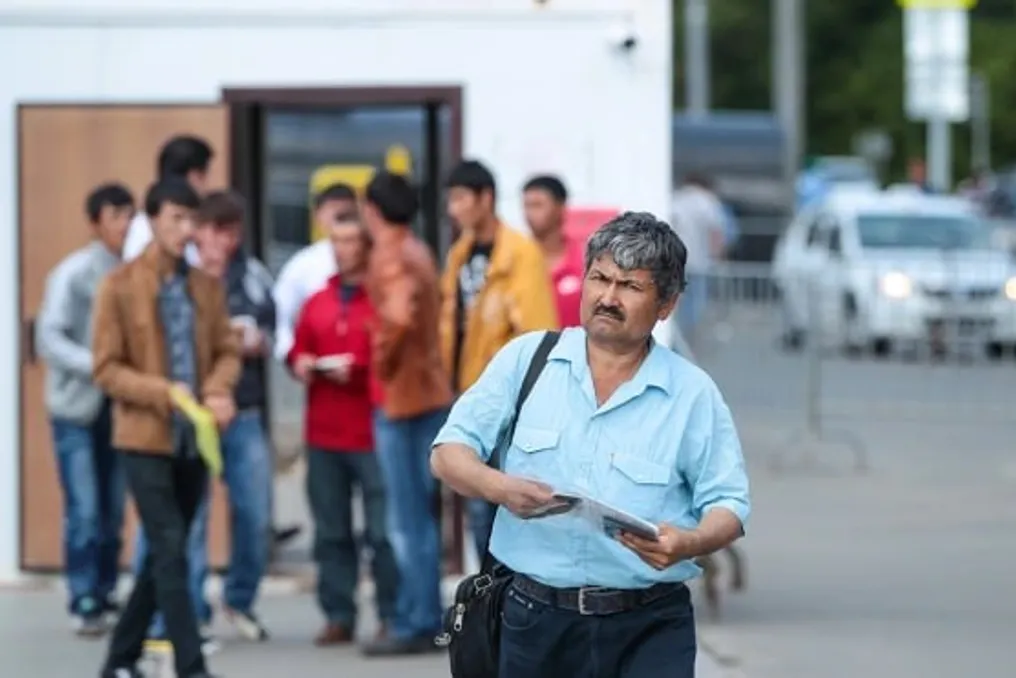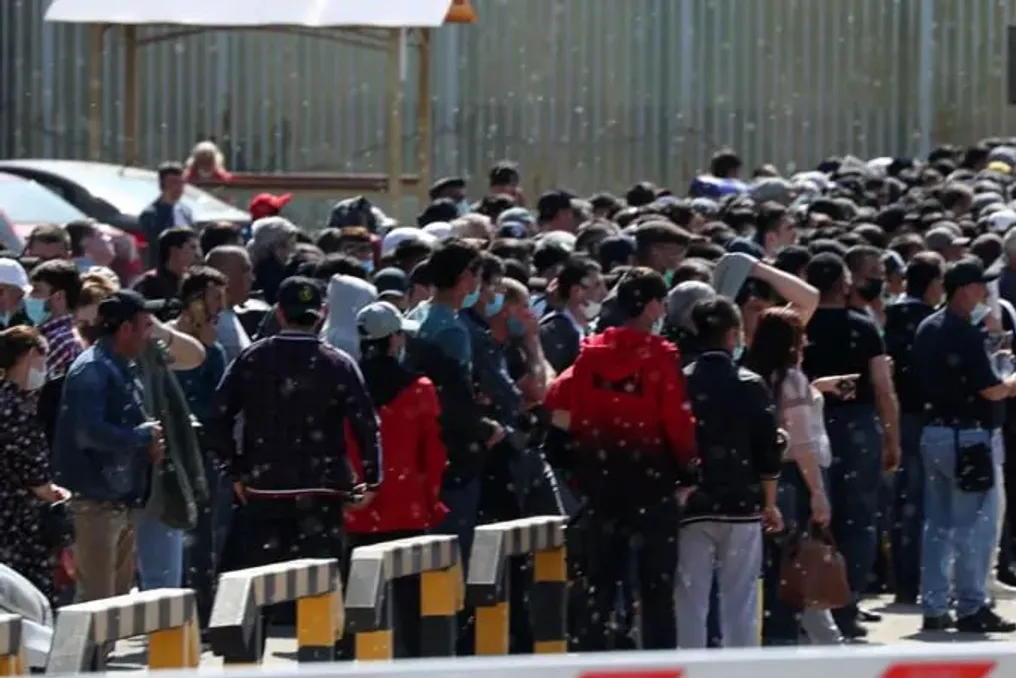
There is a growing trend indicating that labor migrants from Central Asia prefer European countries over Russia for work. This shift is driven by several factors, including the tightening of migration legislation in Russia, an increase in deportations, and a decrease in the economic attractiveness of earnings due to the weakening national currency.
According to information provided by the BBC Russian Service, there is a noticeable decrease in the number of Uzbek citizens employed in Russia. While their numbers were approximately 1.2 million during 2021–2022, this figure has now dropped to an estimated 834 thousand. Concurrently, interest in the European labor market is rising.
Many migrants state that they expect more reliable working conditions and a higher income level in European Union states. There is particular demand for workers in Poland, Germany, and the Baltic states. Recruitment agencies cooperating with people from Central Asia report a multiple increase in the flow of individuals seeking employment in Europe in recent years.
One of the key factors driving the outflow of migrants is cited as changes in Russian migration policy that occurred after the attack at Crocus City Hall. As a result of these changes, numerous new restrictions have been introduced for foreigners in Russia, and the number of deportations from the country has significantly increased.
An additional negative influence has been the decline in the appeal of money transfers, caused by the ruble exchange rate. Although wages in Russia remain significantly above the average income level in Uzbekistan, many workers have begun actively seeking other employment opportunities.
Nevertheless, working in Europe does not always yield the expected results. Some migrants encounter unscrupulous employers, discrepancies between stated working conditions and actual ones, as well as lengthy and complicated procedures for obtaining necessary documents. Furthermore, obtaining a work permit in EU countries proves to be a significantly more complex process than finding a job in Russia.
Experts emphasize that current levels of labor migration to Europe cannot yet compare with what is happening in Russia. According to various estimates, there are between a few tens and over one hundred thousand Uzbek citizens residing in EU countries, whereas in Russia, their numbers are still in the hundreds of thousands.
Thus, even with the growing popularity of the European direction, Russia retains its status as the largest labor market for migrants from Central Asia. Specialists believe that in the near future, EU countries will not be able to fully replace the Russian market due to visa barriers, language requirements, and lower demand for labor.
It was also noted that in 2027, Russia plans to introduce additional financial obligations for labor migrants arriving with non-working family members, with the changes primarily affecting foreign citizens with minor children.