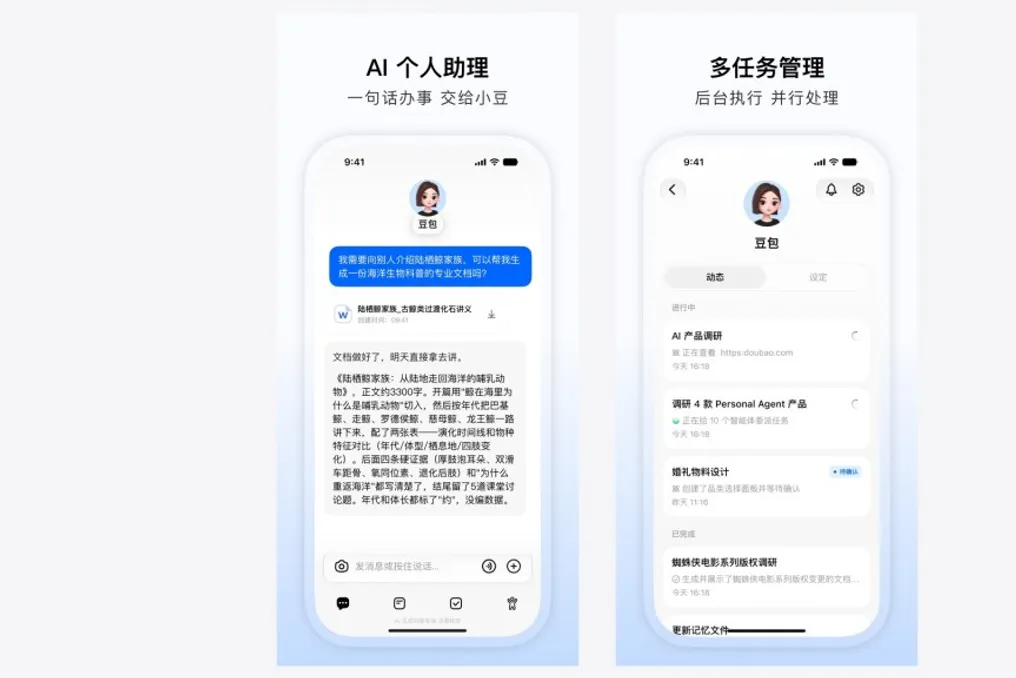
ByteDance launches closed beta version of personal AI assistant Xiaodou
Read more
TechNode
technode.com

ByteDance launches closed beta version of personal AI assistant Xiaodou

The Doubao team at ByteDance launched the public beta version of its personal AI assistant, Xiaodou, on Tuesday. Access to this standalone product is provided to invited users, and its functionality will be gradually integrated into the main Doubao application.

Participation in the beta testing requires a special invitation code, and users are allocated free credits for use. Xiaodou is positioned as a personal assistant capable of independently helping users complete various tasks, thereby expanding the range of Doubao's products beyond its core conversational AI service.

This phased rollout allows ByteDance to create an isolated environment to test the user experience with personal agents before presenting them to the wider Doubao audience. The announcement did not specify exact timelines for granting unlimited access or for migrating individual features to the main application.

Similar stories

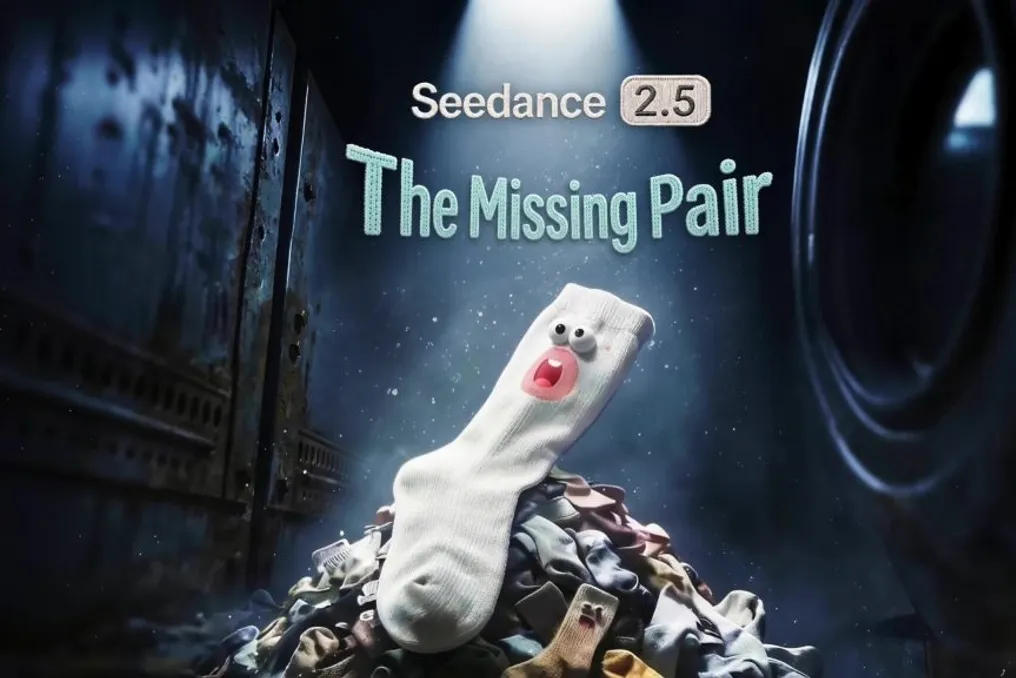
ByteDance launches 4K video generation API Seedance 2.5 for developers
Read more
technode.com

ByteDance launches 4K video generation API Seedance 2.5 for developers

ByteDance's cloud division, Volcano Engine, provided access to the Seedance 2.5 API on Monday, enabling 4K video generation. This broader release followed a testing period during which the model was available to an initial group of twenty studios and directors.

Additionally, ByteDance's international cloud platform, BytePlus ModelArk, added the 4K model to its list of available products under the Dreamina brand.

The API supports 10-bit color and a preview workflow that allows users to first create a draft at a lower resolution before performing the final rendering of the clip in 4K format. According to Volcano Engine's published pricing, 4K generation costs approximately 6.03 yuan per second, allowing studios and software developers to budget separately for the final rendering compared to previous iterations.

Xiaohongshu tests autonomous application Dada for creating and sharing AI agents by users
Read more
technode.com

Xiaohongshu tests autonomous application Dada for creating and sharing AI agents by users

The Chinese social platform Xiaohongshu, also known as RedNote, is testing a standalone application called Dada. This application allows users to transform their knowledge and experience into AI agents that other users can utilize.

According to Ebrun, the application has revealed numerous agents covering various tasks, including job searching, learning, and design. Users can interact with these agents through both text and images.

The Dada application also provides the ability to integrate created agents into group chats with friends and share invitations via WeChat. This format enables creators to transform advice they already publish in Xiaohongshu posts into functional tools capable of answering additional questions and working with materials uploaded by users.

ByteDance plans to launch an AI assistant similar to Meta's Muse
Read more
technode.com

ByteDance plans to launch an AI assistant similar to Meta's Muse

According to a report by IT Home on Wednesday, citing Bloomberg, ByteDance intends to introduce a voice assistant similar to Meta's Muse in the coming weeks.

ByteDance co-founder Zhang Yiming presented this plan at an internal meeting with the company's artificial intelligence team, according to sources familiar with the discussion.

Meta launched Muse in September as a voice assistant with an animated avatar and plans to integrate it into devices such as smart glasses. Currently, ByteDance uses the chatbot Doubao and sells access to its video generation models, Seedance. The new assistant will allow ByteDance to expand its consumer AI offerings.

During the meeting, Zhang noted that ByteDance is capable of competing with OpenAI and Anthropic, but he predicted that reaching their level would take time—until 2029 or 2030. He also pointed out the lack of data for pre-training and strongly urged the team to reduce reliance on distillation, a method where one model is trained on the results of another model.

Popular