Changthangi Goat Pashmina from Ladakh: Why Is It So Expensive?
Read more
Aaj Tak
www.aajtak.in

Changthangi Goat Pashmina from Ladakh: Why Is It So Expensive?

During the cold season, people use warm items such as sweaters and shawls to protect themselves from the cold. However, there are shawls that are considered not just a means of protection from the cold, but a sign of luxurious fashion and royal attire. One such shawl is pashmina, whose cost can reach thousands or even millions of rupees. Its characteristic is exceptional softness, lightness, and thermal insulation.

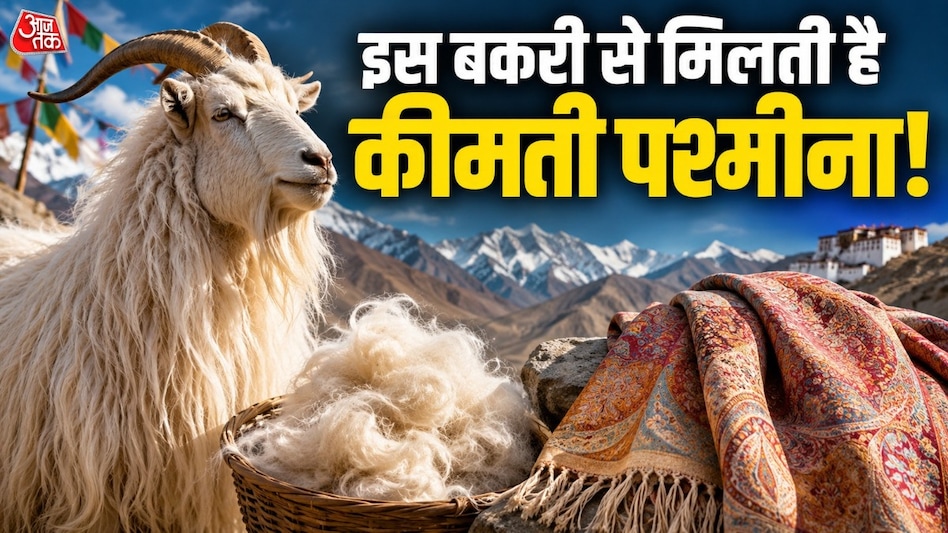
But do you know from what animal's wool this expensive pashmina is made? The answer lies in the Changthangi goat, which inhabits the cold, high-altitude regions of Ladakh. Pashmina is made from extremely fine fibers growing on the body of this goat. It is important to note that only a very small amount of this special wool is obtained from one goat per year, which accounts for the high value of genuine pashmina.

The Changthangi goat is mainly found in the Changtang region of Ladakh. This region is located at an altitude of about 14,000 feet above sea level, where the climate is extremely dry and cold. In winter, temperatures drop significantly below zero. Despite these harsh weather conditions, the goat adapts perfectly. It has two layers of wool: the outer layer consists of long and thick hairs that protect it from cold wind and bad weather. The inner layer, conversely, consists of very fine and soft hairs, from which the pashmina fibers are obtained.

The Changthangi goat is also called the Changra goat. It is also known as the special Ladakhi pashmina goat. They are usually white, although brown and black individuals are also found. Their horns are also distinctive, being curved.

For pashmina production, the hair from the goat's body is not shorn like regular wool. Instead, when winter ends and summer begins, the fine hair on the goat's body naturally sheds. At this time, shepherds carefully extract these soft fibers from the animal's body using a special comb, using a wooden or metal comb. Thus, the fine hair is separated from the goat's body and collected. This work is usually done between May and July. On average, one goat can yield about 150–250 grams of pashmina fiber per year, although this volume can vary depending on the age, sex, and breed of the goat. Due to this limited production volume, pashmina remains a scarce product.

The high price of pashmina shawls is due not only to the wool itself but also to the labor-intensive process of its creation. Pashmina fibers are much finer than ordinary wool fibers; their diameter is about 12–16 microns. A micron is one-millionth of a meter. It is this fine structure that gives it incredible softness. Furthermore, pashmina fibers are very light, yet clothing made from them provides good thermal retention. Therefore, despite their low weight, pashmina shawls remain very comfortable in winter.

The manufacturing process is also complex. After extracting the wool from the goat, it is cleaned, and then coarse hairs are separated from the fine fibers. Next, threads are spun from these fibers, and then the shawl is hand-knitted. This entire procedure requires a lot of time and labor from skilled artisans. A high-quality, handmade pashmina can take anywhere from several weeks to several months, which explains the high cost of pure, handmade pashmina.

The main work of raising Changthangi goats in Ladakh is carried out by a nomadic people called the Changpa. These people constantly move with their livestock. Life in the high-altitude areas of Changtang is very difficult. A significant part of this community's livelihood depends on pashmina wool. The collected wool is transported to the market, after which artisans clean, spin, and weave it to create various products. The pashmina business is an important source of employment not only in Ladakh but also among Kashmiri artisans. In particular, Kashmir has a long tradition of weaving pashmina shawls and applying beautiful patterns to them.

As the popularity of pashmina grows in the market, imitation products appear, often mixing it with ordinary wool, silk, or synthetic fibers. Therefore, caution must be exercised when purchasing genuine pashmina. There are certain signs that can help choose a quality product.

Pay attention to softness: genuine pashmina is usually very soft and light to the touch. Check the weave: in hand-knitted shawls, you can notice details and features of the pattern. Check the price: pure pashmina cannot be considered suitable if it is sold at too low a price. And most importantly—check the authenticity: when buying, always demand an invoice and a quality certificate from a reliable seller. It should be remembered that the authenticity of the shawl cannot be determined solely by touch or burning.

_
Similar stories

Why the Red Sindhi Cow is Considered Special for Milk and How Much Milk It Produces Daily
Read more
www.aajtak.in

Why the Red Sindhi Cow is Considered Special for Milk and How Much Milk It Produces Daily

There are many cattle breeds in India, but some breeds are known for their milk, good health, and ease of keeping. The Red Sindhi cow is one of these special breeds. Its color is red or dark brown. This breed can easily live even in hot weather and has high milk productivity, which makes it popular among livestock farmers. Primarily, the Red Sindhi cow is raised for milk. Another feature of this breed is that it belongs to the ancient local breeds of India. Next, we look at the habitat of the Red Sindhi cow, its daily milk yield, and maintenance costs.

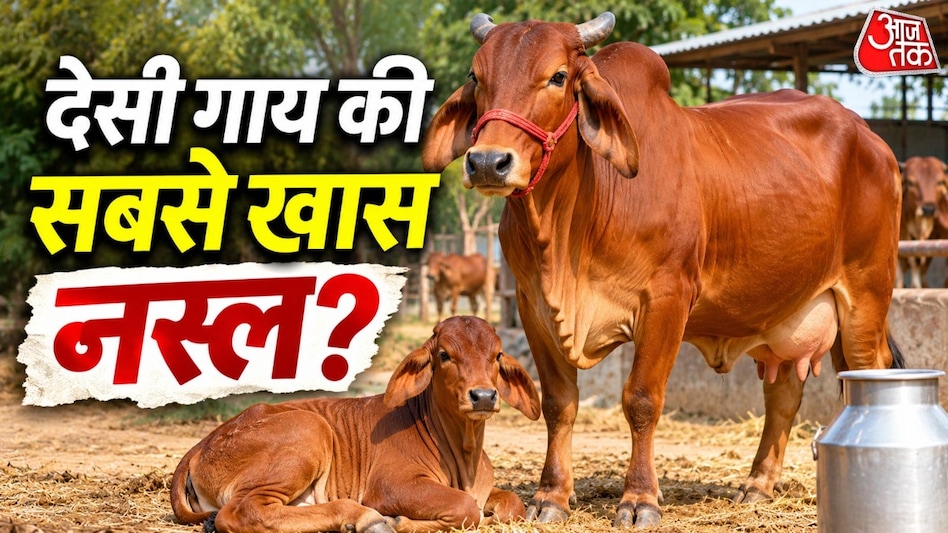
The name Red Sindhi cow comes from the Sindh region in Pakistan. Initially, this breed was widespread in the Sindh region, but now it is bred in many states of India. Its body is red: in some cows it is light red, and in others it is dark red or brown. It has a slightly broad forehead, long ears, and a sturdy build. Horns are usually small and thick. It tolerates heat well, so it can be kept in hot areas.

The Red Sindhi cow belongs to good local milk-producing breeds. Generally, a healthy Red Sindhi cow can produce about 10–12 liters of milk per day. However, for some high-quality and well-cared-for cows, the volume can be higher. Its milk is also valued for its high fat content. The milk volume depends on the cow's age, diet, breed, and level of care. There can also be a difference in milk quantity between first-lactating cows and those that have already calved.

There are several reasons why people raise Red Sindhi cows. Firstly, it is its ability to tolerate heat, allowing it to live comfortably in a warm climate. Secondly, because it is a local breed, it has good resistance to many local diseases, although vaccination and treatment remain necessary. Thirdly, with proper nutrition and care, it yields a significant amount of milk. Furthermore, compared to some other breeds that require more care, its maintenance can be more economical. Finally, it is one of the leading local breeds raised in India for milk production.

To obtain quality milk, it is crucial to provide the cow with proper nutrition. Its diet should include green and dry grass, as well as grain in the required amount. Additionally, clean drinking water must always be available. The milking cow should also be provided with a mineral mix and a balanced feed according to its needs. Regular veterinary check-ups and vaccinations are also mandatory.

Raising Red Sindhi cows can be a good source of income through milk sales. However, the profit from this activity depends on many factors: how many liters of milk the cow produces, the local price of milk, the costs of feeding, and the overall health of the animal. Therefore, before purchasing a cow, it is essential to check its breed, age, milk productivity, and health. The Red Sindhi cow cannot be determined solely by its color.

Researchers obtained cellulose fibers from Sosnowsky's hogweed comparable in strength to lyocell
Read more
nplus1.ru

Researchers obtained cellulose fibers from Sosnowsky's hogweed comparable in strength to lyocell

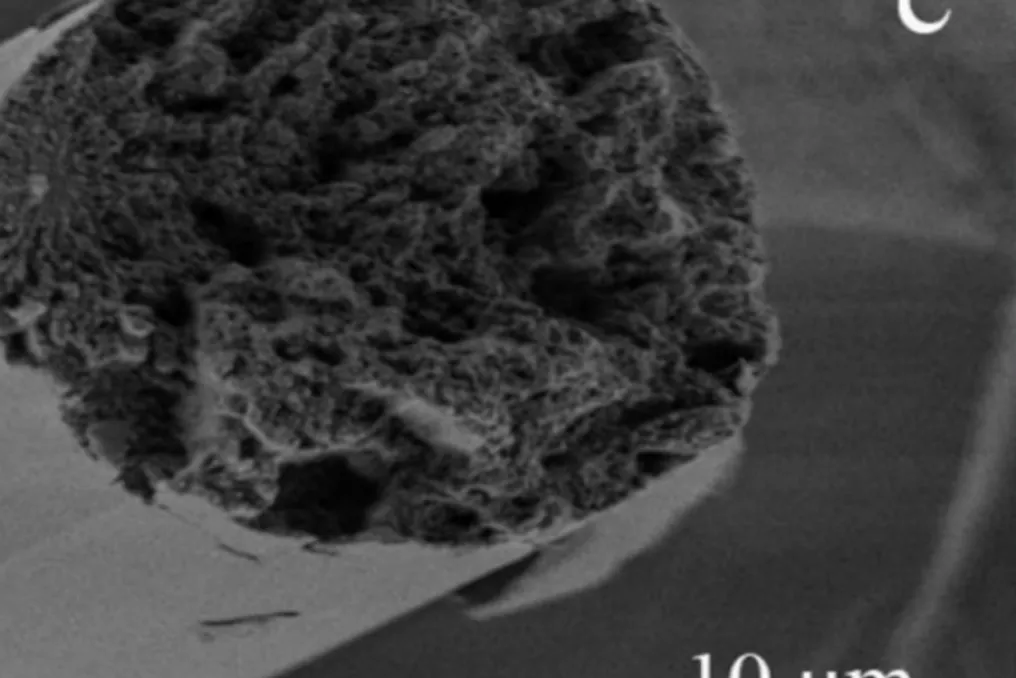
Russian, Chinese, and British scientists have successfully extracted cellulose fibers from Sosnowsky's hogweed. The resulting fibers possess strength comparable to industrial lyocell.

During the research, the scientists managed to isolate cellulose from the stems of this plant. Subsequently, the cellulose was dissolved in N-methylmorpholine N-oxide, and the fibers were formed using the dry-wet molding method.

The results of this scientific work were officially published in the journal Cellulose. The Ministry of Science and Higher Education of the Russian Federation announced the discovery through its press service.

Pushkar Festival 2026: A Review of Unique Dishes from Camel Milk Tea to Malpua
Read more
www.aajtak.in

Pushkar Festival 2026: A Review of Unique Dishes from Camel Milk Tea to Malpua

If you are planning a trip with friends in November and are unsure where to go, consider visiting the Pushkar Festival, which will take place in the state of Rajasthan from November 17th to 24th. This festival attracts visitors from all over the world, with foreign tourists beginning to arrive in Pushkar a month before the event starts.

Pushkar is known not so much for its palaces as for its ghats (riverbanks), where picturesque evening aartis take place, which also attracts tourists. In addition to horse and camel races and trade, this year's Pushkar livestock fair features a very popular ten-year-old Marwari horse valued at 50 million rupees.

For culinary lovers, this is an ideal place because you can try various and unique dishes here. It should be noted that Pushkar is a religious center, so the sale of alcohol and meat products is prohibited, and food without garlic and onions is offered, which is very popular among local residents.

It is impossible to visit Pushkar without trying the local malpua, which is among the region's most famous desserts. Pushkar's malpua differs from the ordinary one because it is made from a mixture containing cottage cheese (mawa) and buttermilk (rabdi). It is then deep-fried until golden and crispy and dipped in a sweet cardamom syrup. Local bakeries prepare fresh portions of this delicacy daily.

If you prefer something spicy for breakfast, be sure to try Pushkar's crispy chowdi filled with spicy Moong beans. It is served crumbled and drizzled with a sweet and sour sauce mixture. Curry chowdi is also very popular. On Mohanji Bhujiwale street on the Brahma Temple road, you can find the famous methi pakoda curry chowdi. For a lighter snack, a combination of poha and jalebi is suitable.

When mentioning Rajasthan, dal-bati-churma is the first thing that comes to mind. At the Pushkar Festival, you will have the opportunity to enjoy this dish. Bati, made from wheat flour, is baked or roasted, then soaked in ghee and served with Panchmel Dal. The sweetness of churma, made from palm sugar or white sugar, further enhances the taste.

While walking around the festival, if you want something spicy, you can eat mirchi vada. This is a large green chili ring filled with a spicy potato filling, then coated in a chickpea flour mixture and fried. In the evening on the main market street, you can notice parathas stuffed with various vegetables such as beetroot, carrots, bell peppers, and potatoes, topped with grated cheese and various sauces.

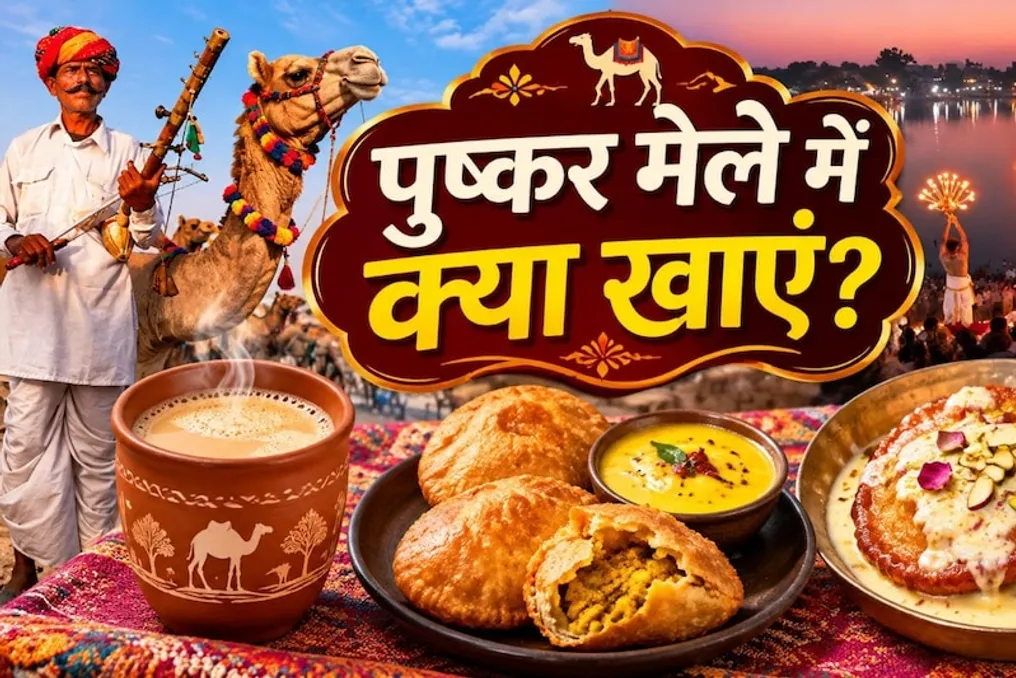
At the festival, you can try a drink rarely found in other cities—camel milk tea. Herders from the Raika and Rabari communities traditionally prepare this tea over a fire. Its taste may differ from regular milk tea, being slightly salty. Locals drink it with rotla. You can also sample camel milk cheese and other products at the fair.

After long walks through the dusty streets of Pushkar, to refresh yourself, you can order kulahard lassi or makhania lassi. Furthermore, Pushkar is famous for its roses. Extracts and rose water are produced here from roses. Items such as gulakand and rose water can be purchased at the market to take home.

Pushkar offers not only Rajasthani dishes; the city is also known for the diversity of cuisines from different countries. The arrival of foreign tourists, especially from Israel, has had a significant impact on the menu of local cafes and restaurants. Therefore, you can find Israeli dishes such as hummus, falafel, labneh, and za'atar alongside Indian cuisine. Additionally, options appealing to other foreign guests are available, such as pasta, pizza, ravioli, and vegan burgers.

Popular