Mumbai enters top 10 destinations for real estate investment in the Asia-Pacific region, according to Colliers
Read more
Business Standard
business-standard.com

Mumbai enters top 10 destinations for real estate investment in the Asia-Pacific region, according to Colliers

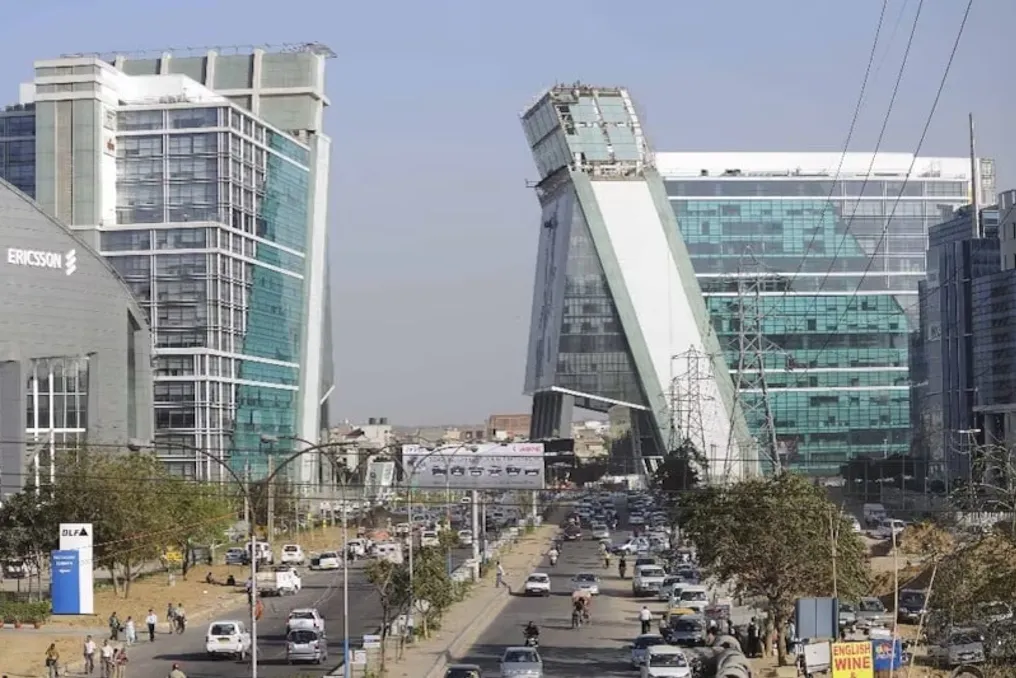
According to Colliers' report on global investors for 2027, Mumbai has secured a spot among the ten most preferred destinations for cross-border real estate investment in the Asia-Pacific region (APAC). This success is attributed to growing investor confidence, infrastructure development, high demand from tenants, and increased availability of investment-grade assets.

Badal Yagnik, CEO and Managing Director of Colliers India, noted that Mumbai's inclusion in the list of preferred destinations underscores the growing confidence of global investors in India's established markets and their long-term growth potential.

The report indicates that major Indian cities continue to demonstrate a wide range of investment activity across segments such as residential, industrial, logistics, data centers, hospitality, and other types of real estate. India's appeal, particularly Mumbai's, is enhanced by strong tenant demand, a deep pool of investment-grade assets, improved infrastructure, and increased participation from institutional players.

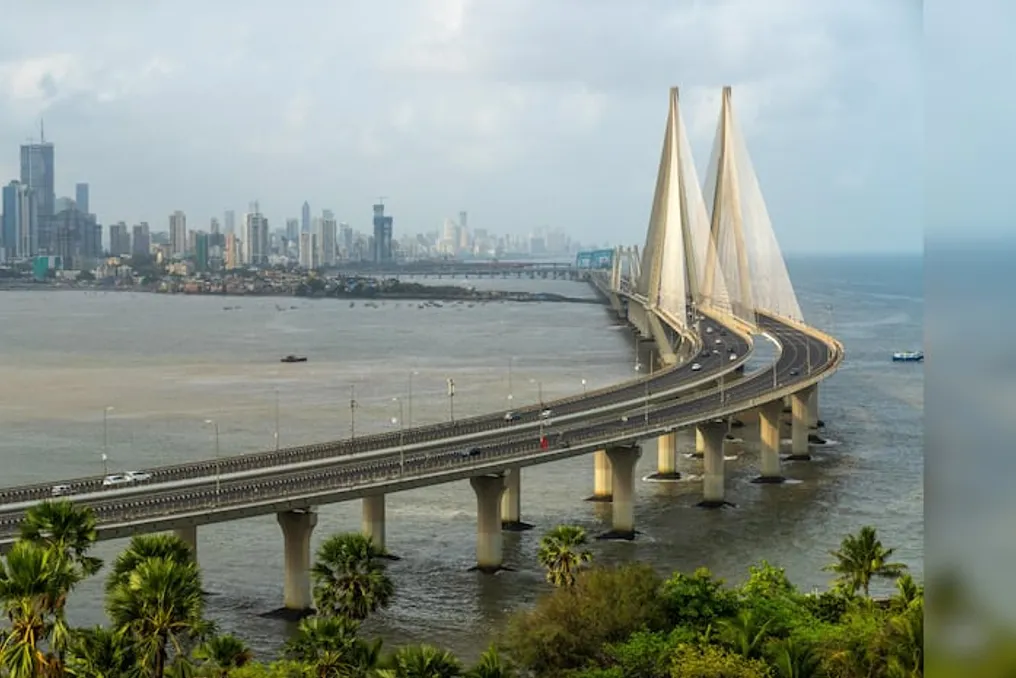
Current infrastructure projects, including the Mumbai Trans Harbour Link and Navi Mumbai International Airport, contribute to improved regional connectivity and may open new corridors of growth within the metropolis. Yagnik also forecasts that in 2027, key investment themes will be asset repositioning, sustainability initiatives, operational improvements, and AI-driven transformation.

Globally, Tokyo topped the ranking of preferred destinations for cross-border investment activities in the Asia-Pacific region, followed by Osaka and Sydney. Other priority locations in the region included Melbourne, Singapore, Brisbane, Sapporo, and Seoul.

Investors in the Asia-Pacific region face higher financing costs; meanwhile, 60 percent of capital investments in the region are focused on value-added strategies and opportunistic approaches. The report added that sustained tenant demand, rental growth potential, and improving market conditions support more selective capital deployment in markets and sectors that deliver income growth, value creation, and long-term stability.

According to the report, Grade A office assets in Mumbai, Bangalore, Delhi-NCR, Hyderabad, and Pune are expected to remain a preferred choice for investment in India, driven by tenant demand, including Global Capability Centers (GCCs). However, beyond offices, investment activity is gaining momentum in industrial and logistics, residential, hospitality, and alternative assets.

In the first nine months of 2026, office assets accounted for 37 percent of total real estate investment in India. Meanwhile, investments in alternative and hospitality assets increased six to seven times compared to the same period in 2025. Within alternative assets, data centers are attracting increased investor interest in cities like Mumbai, linked to growing requirements for hyperscaling and expanded use of corporate data.

Similar stories

Large homes available at a lower price in the city near Delhi-NCR
Read more
www.aajtak.in

Large homes available at a lower price in the city near Delhi-NCR

Real estate prices in the Delhi-NCR region are constantly rising. The situation is that it is becoming increasingly difficult to acquire good and spacious housing stock for less than one million rupees in cities like Noida, Gurugram, and Delhi. For small families, purchasing housing presents a serious problem. Especially middle-class buyers have to compromise on location, apartment size, and amenities to stay within their budget.

Under these conditions, cities located near Delhi-NCR are becoming new options for real estate acquisition. Panipat, Haryana, is among these cities where prospects for living in a large house, with a spacious area and an improved quality of life at a lower cost are opening up.

The specialty of Panipat lies not only in its proximity to Delhi but also in its strong industrial base, business opportunities, and rapidly improving transport accessibility. This is why this city is now being discussed not only as a center for textiles and handicrafts but also as a promising place for real estate investment. People who find it difficult to find housing in Noida or Gurugram are starting to include cities like Panipat in their list of properties.

Panipat is known as the textile city and weavers' town in the country. It has an international reputation for producing items from hand and machine weaving, carpets, blankets, sheets, curtains, and home decor items. The demand for textile products produced here exists not only within India but also in markets of countries such as the USA, Europe, Japan, and Australia. Panipat is also considered a major center for recycled textiles and wool yarn globally.

The industrial significance of Panipat also affects the surrounding areas. The growing demand for transport, trade, warehousing, hospitality, retail, and other services along with industry generates a need for local employment and housing. This increases the potential for real estate development in Panipat.

The constant rise in housing prices in the main real estate markets of Delhi-NCR puts pressure on buyers' budgets. In Noida and Greater Noida, people also have to spend large sums to buy large apartments in good areas. While the demand for luxury housing in Gurugram has further driven up prices.

In comparison, in Panipat, buyers can find options to purchase large houses and land with relatively smaller investments. Here, the demand for such housing is being met through colonies and residential projects, offering families enough space along with necessary amenities.

This is an important point for middle-class families. In large cities, buyers have to live in small apartments, whereas in Panipat they can look for larger houses within their budget. Furthermore, such buyers might consider this city if they plan to purchase land or a house for the future.

Transport accessibility plays a crucial role in the development of any real estate market. Panipat is already in a good position in this regard. It is located about 90 kilometers from Delhi and is connected to the national capital via National Highway-44. Thanks to the road and rail network, it is easy to get from here to Delhi and other major cities in Haryana.

Now, this transport potential is set to gain a new dimension thanks to the Delhi-Panipat- Karnal Namo Bharat corridor. This corridor, spanning approximately 136.3 kilometers, has an estimated cost of 33,051 crore rupees. The Haryana Cabinet approved this project in March 2026. The proposed corridor will run from Delhi through Sonipat, Gannaur, Samlakh, and Panipat to Karnal. 11 stations are planned in Haryana.

Yashank Vasan, Managing Director of Royal Green Realty, notes that 'the construction of the Namo Bharat corridor will simplify life for housing buyers in Sonipat, Panipat, and Karnal. With direct and fast connectivity to Delhi, people will start seriously considering living in these cities. Working people and families will benefit the most from this.'

Abhay Kumar Mishra, President and CEO of Jindal Realty, states: 'The Delhi-Panipat-Karnal Namo Bharat corridor will improve Panipat's transport accessibility. Proximity to Delhi and NCR will promote the development of residential and commercial real estate. This could lead to Panipat becoming a new destination for real estate.'

Vinod Kumar, Director and Founder of Sky Bite Developers, says: 'The Namo Bharat corridor will improve Panipat's connection to Delhi and NCR. This will facilitate work and travel for working people in Panipat. It is expected that the improvement in transport accessibility will lead to increased demand for residential and commercial real estate, giving an impetus to the Panipat real estate market.'

Road projects also play an important role in improving Panipat's transport accessibility, including National Highway-44, which connects the city with important centers such as Delhi, Sonipat, and Karnal.

Real estate investments are changing trends: the hotel and hospitality sector has grown sixfold
Read more
www.aajtak.in

Real estate investments are changing trends: the hotel and hospitality sector has grown sixfold

Investment trends in the real estate sector are transforming, with significant growth observed in the hotel and hospitality sector. In nine major markets of the Asia-Pacific region, real estate investments increased by 13%, reaching $167 billion. In India, the total investment volume grew by 39% from January to September 2026. Foreign investor interest is expanding to include hotels and other new asset classes, in addition to office and retail properties.

Methods of investing in the Indian real estate market are rapidly changing; investors are no longer limited to office and retail properties. Interest is growing in hotels, hospitality, and other alternative real estate assets. A prime example is the investment growth in India's hospitality sector, which increased approximately sixfold in the first nine months of 2026 compared to the same period last year.

According to a report by the real estate consulting firm Colliers, real estate investments in India increased by 39% year-on-year from January to September 2026. Meanwhile, in nine key markets of the Asia-Pacific region, the total investment volume grew by 13%, amounting to $167 billion. The report indicates that investors are increasingly turning to new sectors and alternative investment options, moving beyond traditional real estate.

In India from January to September 2026, office real estate accounted for 37% of the total real estate investment volume. However, the fastest growth was noted in the hospitality and alternative asset sectors. Investments in these two sectors increased by approximately six to seven times compared to the same period last year. The hospitality sector includes hotels, resorts, and related real estate properties.

Alternative assets represent investment options different from traditional office and retail properties. The growth in investments in these sectors indicates that real estate investors are interested in placing their capital in various types of property. Foreign investors also played a significant role in this shift. According to the report, about three-quarters of the investments in alternative assets in India came from foreign investors. Almost the entire investment volume in the hospitality sector was made by foreign investors.

The total real estate investment in nine key markets of the Asia-Pacific region from January to September 2026 amounted to $167 billion, which is 13% more than in the same period last year. During this period, foreign investors channeled $53.5 billion. Notably, foreign investors invested an amount equivalent to the entire 2025 investment in just the first nine months.

Japan was the largest market in the region with investments of $40.6 billion. It is followed by China with $32.5 billion, Australia with $25.9 billion, South Korea with $22.8 billion, and Singapore with $20.4 billion. The fastest investment growth occurred in Singapore, where real estate investment volume from January to September 2026 tripled compared to the previous year. Although the total investment in India was less than in these major markets, its annual growth of 39% maintained it as an important market for investors.

Office real estate remains the largest investment sector in the Asia-Pacific region. From January to September 2026, $59.1 billion was invested in this sector, accounting for about 35% of the total investment volume. Office investments grew by 8% compared to the same period last year. However, the growth rate was higher in sectors such as retail and data centers. Investments in retail real estate grew by 44%, reaching $35.9 billion. $35.6 billion was invested in industrial real estate, and $14.6 billion in data centers. This amount exceeds the investment volume for the entire year of 2025. The report states that in the third quarter, the sectors showing year-on-year investment growth were retail and data centers.

In India from January to September 2026, the year-on-year increase in foreign investment was 17%. At the same time, the share of domestic investors in the total investment volume remains high. During this period, 59% of India's real estate investment came from local investors. Particular attention was drawn to investments from countries in Canada, the USA, Europe, the Middle East, and Africa, i.e., from the EMEA region.

Foreign investor interest is shifting from traditional office real estate to hospitality and alternative asset sectors. According to Badla Yagnik, CEO and Managing Director of Colliers India, the participation of foreign capital remains strong in the Indian real estate market alongside domestic investments. The 17% growth in foreign investment in January-September 2026 demonstrates the confidence of global investors in India's long-term development. He added that foreign investors are now looking for opportunities not only in traditional real estate but also in the hospitality and alternative asset sectors.

According to the Colliers report, in 2027, investors may prefer markets where real estate income growth is expected due to economic development, limited supply, and tenant demand. Furthermore, the renovation of old buildings is planned.

Experts assess potential benefits for Gurugram real estate market from the Greater SPR project
Read more
www.aajtak.in

Experts assess potential benefits for Gurugram real estate market from the Greater SPR project

The Gurugram real estate market is expected to receive a new impetus soon. The Haryana state government is advancing the land acquisition process for the Greater Southern Peripheral Road (Greater SPR) project, having approved compensation rates for six villages. Approximately 160 acres of land will be acquired under this project, with an estimated cost of about 986 crore rupees. This road initiative is anticipated to improve transport accessibility in Gurugram and surrounding areas. Real estate specialists believe this could increase demand for property and development potential in areas adjacent to this road.

The Haryana Land Acquisition Department has executed the acquisition of approximately 160 acres of land on behalf of the Haryana Urban Development Authority (HSVP). Compensation rates ranging from 4.92 crore to 8.25 crore rupees per acre were set in the six villages. Badshakhpur will receive the highest compensation at 8.25 crore rupees per acre, followed by Maidawas (6.17 crore rupees), Behrampur (5.26 crore rupees), Dumaspur (5.19 crore rupees), Ullawas (4.96 crore rupees), and Kadarpur (4.92 crore rupees). Furthermore, 116 acres of land required for the road project have already been transferred to the government in exchange for Transferable Development Rights (TDR), indicating significant progress in land collection for the project.

Sudanshu Dutt, CEO of Elevate Homes, emphasized that transport accessibility plays a crucial role in determining real estate demand and long-term area development prospects. He noted that the progress in the Greater SPR project is encouraging, especially for developing zones bordering Sector 63A and the Golf Course Extension road. According to him, improving the road network will facilitate access to these areas, which could boost housing demand. Investments in such infrastructure not only influence homebuyers' choices but also open up new opportunities for planned urban development. However, the full effect of such projects will only be realized upon timely completion of construction work.

Manik Malik, President and CEO of BPTP, stated that infrastructure is paramount for the development of any city. He viewed the Greater SPR project as a major step towards improving Gurugram's connectivity. In his opinion, building good roads will simplify access to both residential and commercial zones, enhancing people's daily lives and paving the way for the development of new residential areas. Malik added that Gurugram is already a preferred choice for homebuyers, and such an infrastructure project will increase demand for homes by offering people the opportunity for long-term investments with improved conditions.

Rishab Perival, Senior Vice President of Pioneer Urban Land and Infrastructure Limited, believes that the Greater SPR plan has the potential to be a powerful catalyst for growth in the Gurugram real estate market. He specifically highlighted that areas along the Golf Course Extension road, the Southern Peripheral Road (SPR), and adjacent new residential and commercial areas could benefit. Improved connectivity between these locations and major business centers and commercial hubs will ensure easy movement, reduce congestion on main roads, and make these areas more attractive to both residents and investors.

Sudeep Bhatt, Strategy Director at WhiteLand Corporation, noted that the Southern Peripheral Road area has become one of Gurugram's fast-developing real estate zones. There is significant potential here not only for residential but also for commercial activities. The creation of Greater SPR will streamline movement throughout this area and promote the development of new, well-equipped residential zones. He concluded that as residential projects are completed and these areas are populated, the demand for shopping malls, offices, businesses, and other necessary services will increase, making the area attractive to both homebuyers and entrepreneurs and investors.

Popular