Traveling between attractions is often the least exciting part of a vacation. However, this changes when you take a gondola ride in Venice, sail through the canals of Bangkok, or glide over the rooftops of La Paz. In some cities, local transport itself becomes an attraction, offering tourists a different way to see sights and experience daily life.
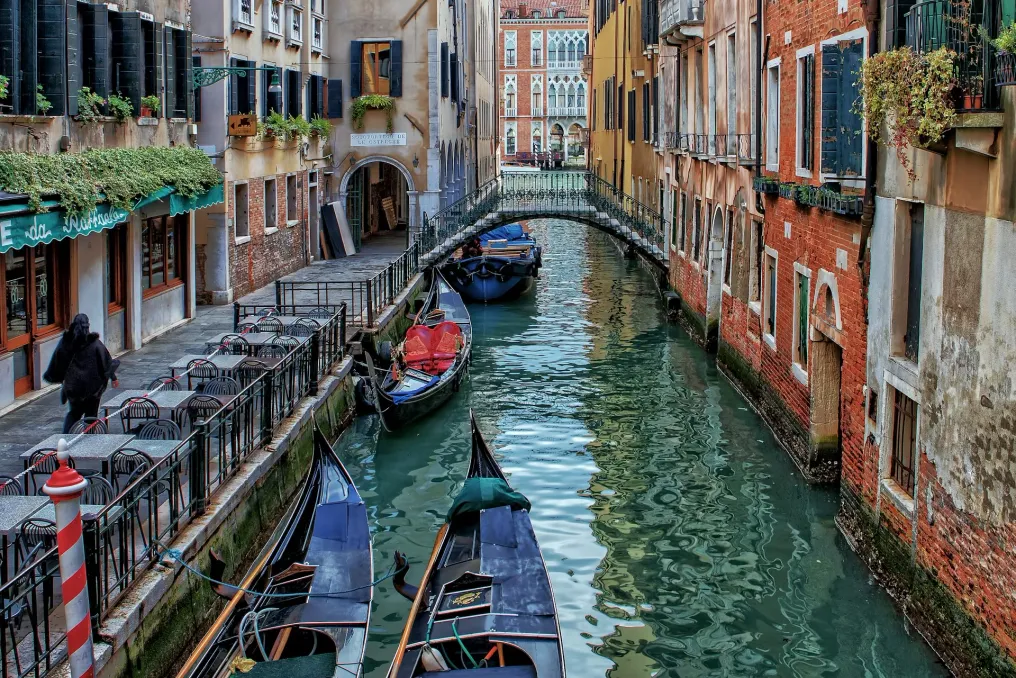
In Venice, waterways have replaced regular roads, and boats play a vital role. The city's canals connect districts, markets, and islands, making water transport as significant for residents as it is for visitors.
The most convenient way to get around Venice is by vaporetto—a public water bus that runs along the Grand Canal, connecting the historic center with islands such as Murano and Burano. A vaporetto ride allows you to see historic palaces, churches, and embankments that are difficult to view from narrow pedestrian streets.
For shorter trips, visitors can use the traghetto—a traditional gondola ferry that transports passengers across the Grand Canal at designated spots. Unlike leisurely gondola rides, the traghetto serves a practical function, helping people cross the water without needing to walk to the nearest bridge.
Of course, a visit to Venice would be incomplete without experiencing its famous gondolas. Although they are now largely associated with tourism, these elegant boats have a long history as a means of transportation on the city's waterways.
Next time you visit one of these places, consider replacing a taxi ride with a trip on a ferry, tram, or cable car. You can avoid traffic jams, discover another side of the city, or simply enjoy a journey that deserves more attention. After all, travel can be half the fun.
Bangkok's roads are known for their congestion, but its waterways offer a different way to explore the Thai capital. Historically known as the Venice of the East, Bangkok developed around an extensive network of canals known locally as khlongs.
Today, boats continue to serve as an alternative to land transport. The Chao Phraya Express boat travels along the city's main river, connecting various districts and popular spots. Passengers can admire views of riverside temples, traditional communities, and modern skyscrapers along the way.
For a more authentic experience, the Saen Saep canal boats cruise along one of Bangkok's busiest waterways, taking passengers past areas many tourists might otherwise miss. Another convenient option is crossing the river via ferries, especially in historic districts. For example, the crossing between Tha Tien Pier and Wat Arun offers an unforgettable view of one of Bangkok's most recognizable temples.
In La Paz, travel can involve traveling hundreds of meters above the ground. Located amidst the Andes, the Bolivian city occupies a dramatic valley, while the neighboring El Alto stretches across the high plateau above it.
The rugged terrain and vast urban landscape made traditional land transport challenging. One solution is the Mi Teleférico—an extensive network of urban cable cars that connects different parts of the metropolis. Unlike sightseeing cable cars found in ski resorts, these are daily services for local residents. Locals use them to travel between neighborhoods, workplaces, and schools.
For visitors, this journey offers breathtaking views of the city, where colorful rooftops, bustling streets, and surrounding mountains unfold below. The network also provides interesting insight into how transport infrastructure can help connect communities separated by complex landscapes.
Few cities offer the same daily commute as Istanbul. This Turkish metropolis, situated at the junction of Europe and Asia, is divided by the Bosphorus, making ferries an essential part of daily transport. Public ferries connect districts on both sides, including Eminönü, Kadıköy, and Üsküdar. These journeys are convenient for passengers, but they also offer wonderful views of the Istanbul skyline, historic mosques, and waterfront palaces.
On land, nostalgic city trams provide another way to feel the city's character. The historic tram along Istiklal Avenue is particularly popular as it passes through one of the busiest pedestrian streets. The Tünel funicular exists for something else, connecting Karaköy with the higher district of Beyoğlu. Opened in 1875, it is one of the oldest underground urban railways in the world.
The distinctive skyline of Hong Kong is best viewed from several different vantage points, and the city's transport network provides numerous opportunities for this. The city's double-decker trams, affectionately called Ding Ding, have been operating since 1904. They run along the northern side of Hong Kong Island, offering a slower way to experience the busy streets, markets, shops, and tall buildings.
Another memorable journey is the Star Ferry, which connects Hong Kong Island with Kowloon across Victoria Harbour. This short crossing is an attraction in itself, offering views of the famous waterfront and the city's skyscrapers. For another perspective, the historic Peak Tram ascends to Victoria Peak, from where visitors can enjoy panoramic views across the harbour and surrounding islands.
In the southern Indian state of Kerala, the coastal city of Kochi is introducing water public transport into the modern era. The city, built around a network of islands, lagoons, and inland waterways, has long relied on boats to connect communities. The Kochi Water Metro, which began operations in April 2023, is developing this tradition using a network of modern electric hybrid passenger boats. This service connects the mainland with surrounding islands, offering residents an alternative to land transport. The boats are air-conditioned and depart from specially constructed terminals, combining the convenience of a modern metro system with the experience of traveling through Kerala's waterways. For visitors, this service offers a different perspective of Kochi, passing by waterfront areas and communities while providing access to areas outside typical tourist routes. It is also an interesting example of how traditional water transport can be adapted to meet the needs of a growing urban population.