Alcohol prices in Delhi may rise soon. The current excise policy expires in March of next year, so the Delhi government is actively working on implementing a new excise policy. According to officials, the goal of the new policy is to increase state revenues and ensure the availability of premium brands in liquor stores. This policy may involve an increase in excise duty rates.
The new excise policy is expected to be announced after the elections to the Punjab Legislative Assembly. Furthermore, the existing system for retail sale of alcohol will not change: only four Delhi government corporations will handle sales, and private companies will be barred from entering this business.
Officials reported that excise duty rates in Delhi have not changed since 2014, and the last revision of the Maximum Retail Price (MRP) for alcohol was four years ago. The new policy provides for a potential increase in both excise duty and the margin for retailers, which could make alcohol in Delhi more expensive.
Nevertheless, officials note that increasing the availability of premium brands will allow consumers to travel less frequently to neighboring cities in the National Capital Region (NCR) to purchase alcohol, which in turn will help the Delhi government increase revenue.
Last year, the Delhi government established a committee chaired by PWD Minister Pravesh Verma to develop the draft of the new excise policy. This draft was sent to the central government for approval. According to officials, the central government has approved the draft, and it is now ready for the introduction of the new policy. The existing excise policy, which has been repeatedly extended, will expire on March 31, 2027.
When developing the new excise policy, the damage to Delhi's revenue caused by neighboring cities such as Noida, Ghaziabad, Gurgaon, and Faridabad was also taken into account. Since excise duties and retail prices are lower in these cities, many Delhi consumers purchase alcohol there. Officials believe that adjusting excise duties and retail prices will allow for more effective utilization of the potential of the alcohol business in Delhi.
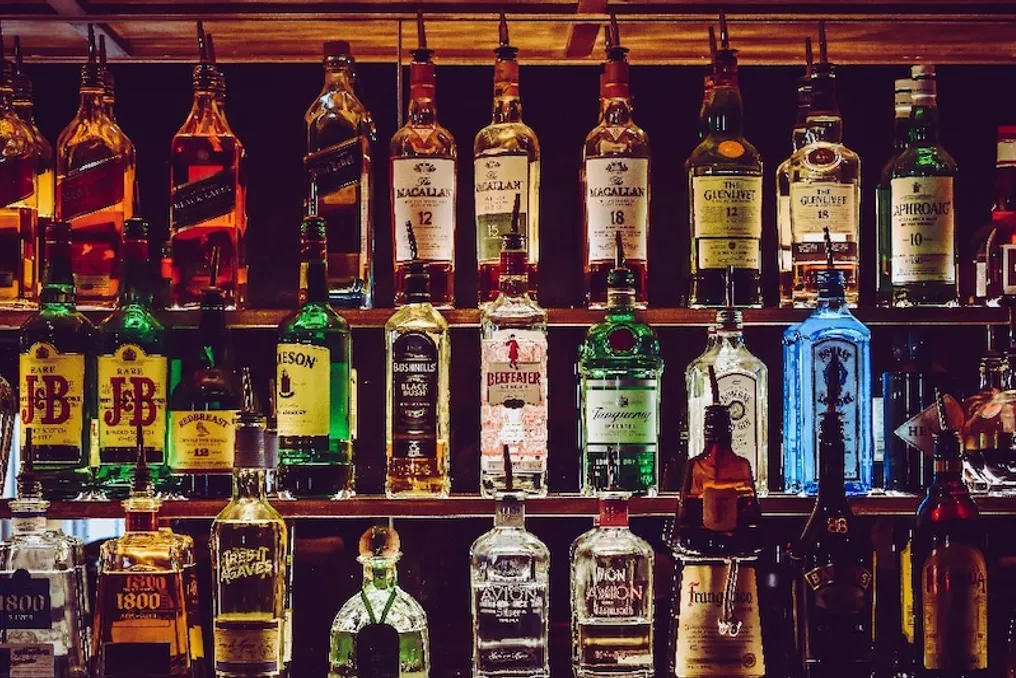
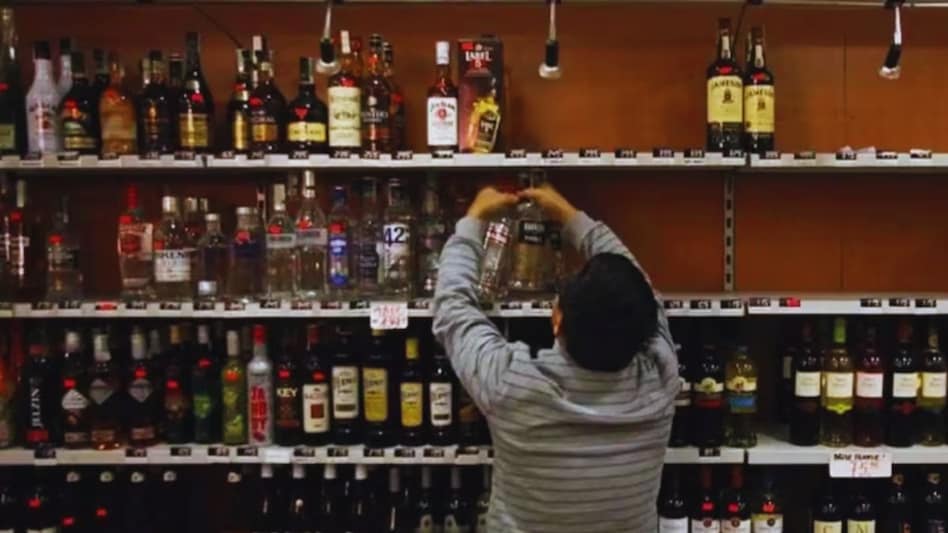
According to officials, under the current system, the retailer's margin is fixed: stores receive the same margin for both cheap and expensive alcohol. This is why more cheap brands are stocked in stores, and the availability of premium brands is limited. The new policy may change the retail margin system, preparing to offer retailers a better margin for selling premium brands. This is expected to lead to an increased assortment of domestic and imported premium alcoholic brands in stores.
It should be noted that the government came to power in Delhi in February 2025, raising several issues, including an alleged alcohol scandal during the BJP Aam Aadmi Party government's tenure. Thus, the excise policy is a sensitive topic for the government. The government's goal is not only to increase revenue but also to ensure responsible management of the retail alcohol business.