Why the Red Sindhi Cow is Considered Special for Milk and How Much Milk It Produces Daily
Read more
Aaj Tak
www.aajtak.in

Why the Red Sindhi Cow is Considered Special for Milk and How Much Milk It Produces Daily

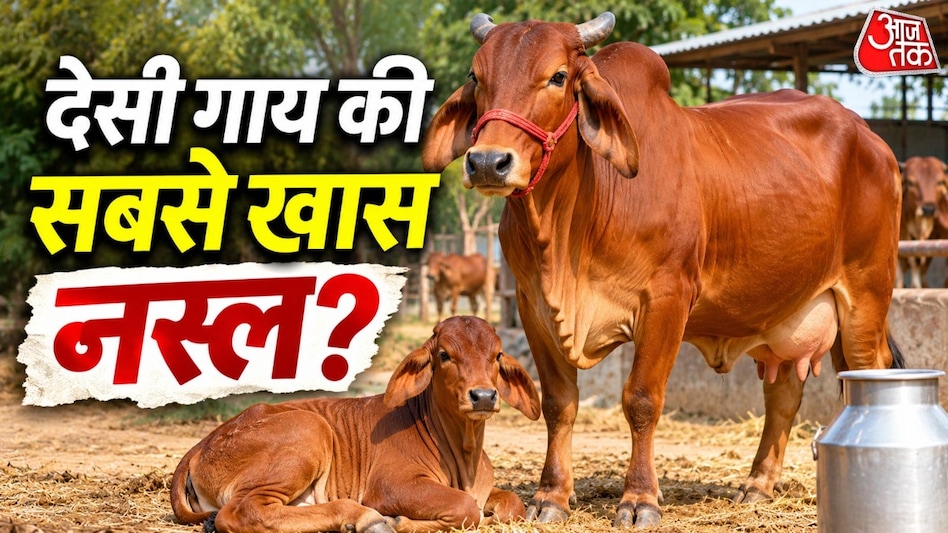
There are many cattle breeds in India, but some breeds are known for their milk, good health, and ease of keeping. The Red Sindhi cow is one of these special breeds. Its color is red or dark brown. This breed can easily live even in hot weather and has high milk productivity, which makes it popular among livestock farmers. Primarily, the Red Sindhi cow is raised for milk. Another feature of this breed is that it belongs to the ancient local breeds of India. Next, we look at the habitat of the Red Sindhi cow, its daily milk yield, and maintenance costs.

The name Red Sindhi cow comes from the Sindh region in Pakistan. Initially, this breed was widespread in the Sindh region, but now it is bred in many states of India. Its body is red: in some cows it is light red, and in others it is dark red or brown. It has a slightly broad forehead, long ears, and a sturdy build. Horns are usually small and thick. It tolerates heat well, so it can be kept in hot areas.

The Red Sindhi cow belongs to good local milk-producing breeds. Generally, a healthy Red Sindhi cow can produce about 10–12 liters of milk per day. However, for some high-quality and well-cared-for cows, the volume can be higher. Its milk is also valued for its high fat content. The milk volume depends on the cow's age, diet, breed, and level of care. There can also be a difference in milk quantity between first-lactating cows and those that have already calved.

There are several reasons why people raise Red Sindhi cows. Firstly, it is its ability to tolerate heat, allowing it to live comfortably in a warm climate. Secondly, because it is a local breed, it has good resistance to many local diseases, although vaccination and treatment remain necessary. Thirdly, with proper nutrition and care, it yields a significant amount of milk. Furthermore, compared to some other breeds that require more care, its maintenance can be more economical. Finally, it is one of the leading local breeds raised in India for milk production.

To obtain quality milk, it is crucial to provide the cow with proper nutrition. Its diet should include green and dry grass, as well as grain in the required amount. Additionally, clean drinking water must always be available. The milking cow should also be provided with a mineral mix and a balanced feed according to its needs. Regular veterinary check-ups and vaccinations are also mandatory.

Raising Red Sindhi cows can be a good source of income through milk sales. However, the profit from this activity depends on many factors: how many liters of milk the cow produces, the local price of milk, the costs of feeding, and the overall health of the animal. Therefore, before purchasing a cow, it is essential to check its breed, age, milk productivity, and health. The Red Sindhi cow cannot be determined solely by its color.
Similar stories

The Importance of Adding Salt to the Diet of Cows and Buffaloes for Health Maintenance
Read more
www.aajtak.in

The Importance of Adding Salt to the Diet of Cows and Buffaloes for Health Maintenance

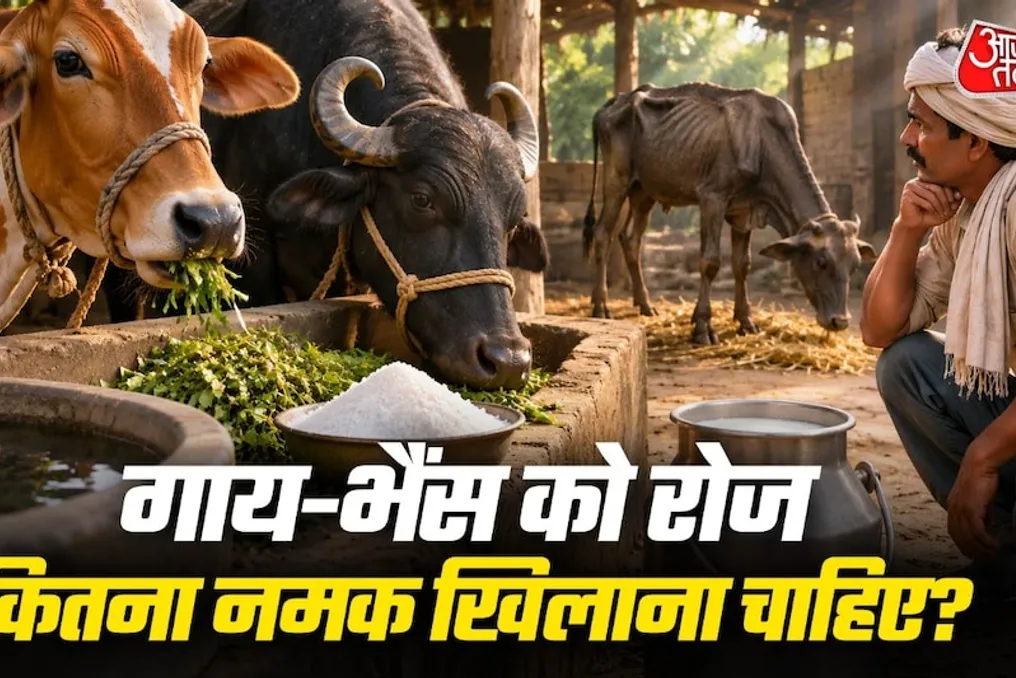
In animal husbandry, it is extremely important to pay close attention to the nutrition of cows and buffaloes. Although farmers usually provide them with green grass, dry hay, grain, and water, they often overlook one necessary component—salt. Despite its apparent insignificance, salt plays a critically important role in animal health.

Like humans, cows and buffaloes need minerals such as sodium and chloride found in regular salt. These elements help maintain water balance in the body and ensure the proper functioning of the nervous system and muscles. Therefore, having the correct amount of salt in the animals' diet is an essential condition.

Salt performs many vital functions in the animals' bodies. It helps maintain water balance, as well as supporting normal digestion processes and overall bodily function. If an animal lacks the necessary amount of salt for a long time, it can negatively affect its health. A salt deficiency in a cow or buffalo can also affect its appetite and ability to lactate.

With insufficient salt, an animal may start eating less than before, leading to physical weakness and reduced milk production capacity.

The amount of salt that should be given to animals depends on their age, weight, lactation level, and the mineral content of their diet. According to recommendations from the Central Institute of Buffalo Research (CIRB), large and lactating buffaloes can be given about 30–40 grams of regular salt daily. For small calves, the recommended dosage is from 5 to 10 grams.

However, each animal's needs are individual. Therefore, when determining the optimal amount of salt for cows and buffaloes, it is recommended to consult a veterinarian or an animal husbandry specialist.

Animals can be given salt by mixing it with their daily feed or grain. Additionally, special salt licks can be left out so that animals can consume salt as needed. It is important to always provide the animal with clean water. At the same time, excessive feeding of salt should be avoided, as this can lead to an increase in salt levels in the body and harm the animal's health. Therefore, a large amount of salt should not be given without prior information.

Salt and mineral mix are different products. Salt primarily provides the body with sodium and chloride, while the mineral mix contains calcium, phosphorus, zinc, and other necessary trace elements. Thus, feeding only salt is insufficient; animals must be provided with a balanced diet and mineral mix according to their needs.

Price of Gir breed cow that produces 18-20 liters of milk daily
Read more
www.aajtak.in

Price of Gir breed cow that produces 18-20 liters of milk daily

Livestock farming and dairy farming are considered good options for earning money. People involved in keeping cows prefer breeds that produce a lot of milk. One such breed is Gir. Let's look at the cost of this cow.

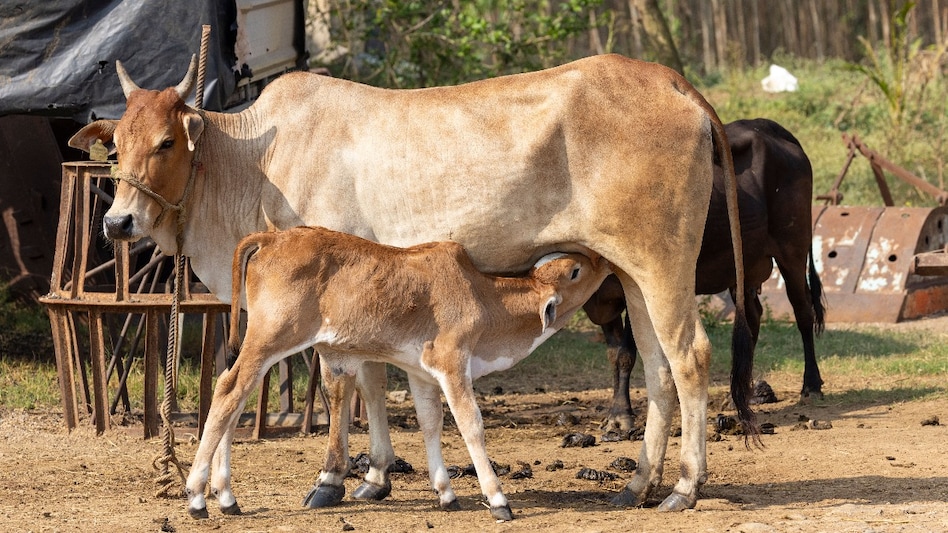
A Gir breed cow produces from 18 to 20 liters of milk daily and is a preferred choice for livestock breeders. This breed originally comes from the Kathiyawad region in southern Gujarat, where they are most commonly found. However, Gir cattle are now kept across the country.

The Gir breed cow is recognizable by red or dark brown spots on its body. Its size is larger compared to other local breeds, and its horns are also quite large. They have raised heads. A Gir cow can yield from 12 to 15 or even 20 liters of milk per day. The milk from these cows has a high fat content, making it easy to prepare ghee. This is why the demand for Gir breed cows is high.

In addition, keeping Gir breed cows among local breeds has additional advantages. These cows fall ill less often because they have a good immune system. Due to all these qualities, the price of one cow can range from 50 thousand to one and a half lakh rupees. The cost depends on its milk-yielding capacity and other qualities.

If an average quality Gir breed cow yields 12–15 liters of milk per day, it will produce 3600 liters of milk in a year at a rate of 12 liters. At the current market price of 65 rupees per liter, the cost of this volume of milk will be 234,000 rupees. Thus, one can roughly estimate the annual income and profit from keeping this local cow.

Popular