Archaeologists in France discovered Iron Age Celtic sanctuary
Read more
N+1
nplus1.ru

Archaeologists in France discovered Iron Age Celtic sanctuary

French archaeologists presented the results of studying a monument dating back to the Iron Age, which was discovered in northeastern France, in the Meuse department.

Experts found the remains of a significant structure, estimated to be approximately 7.5 by 5.5 meters. This building, belonging to the La Tène culture, has preserved only post holes to date. These holes have a diameter of about one meter and a depth of around 80 centimeters.

There is a high probability that this structure is part of an ancient sanctuary, which may have been associated with the Celtic tribe of the Leuci. These tribes primarily inhabited southern Lorraine.

According to information published on the website of the National Institute for Archaeological Research (Inrap), the age of this archaeological site is estimated to be approximately two thousand years old.
Similar stories

Ancient Bronze Torc Discovered on Alpine Pass
Read more
nplus1.ru

Ancient Bronze Torc Discovered on Alpine Pass

Last October, Swiss specialists from the Archaeological Service of the Canton of Bern conducted an examination of the Löchen mountain pass. This pass is located at an altitude approaching 2700 meters above sea level.

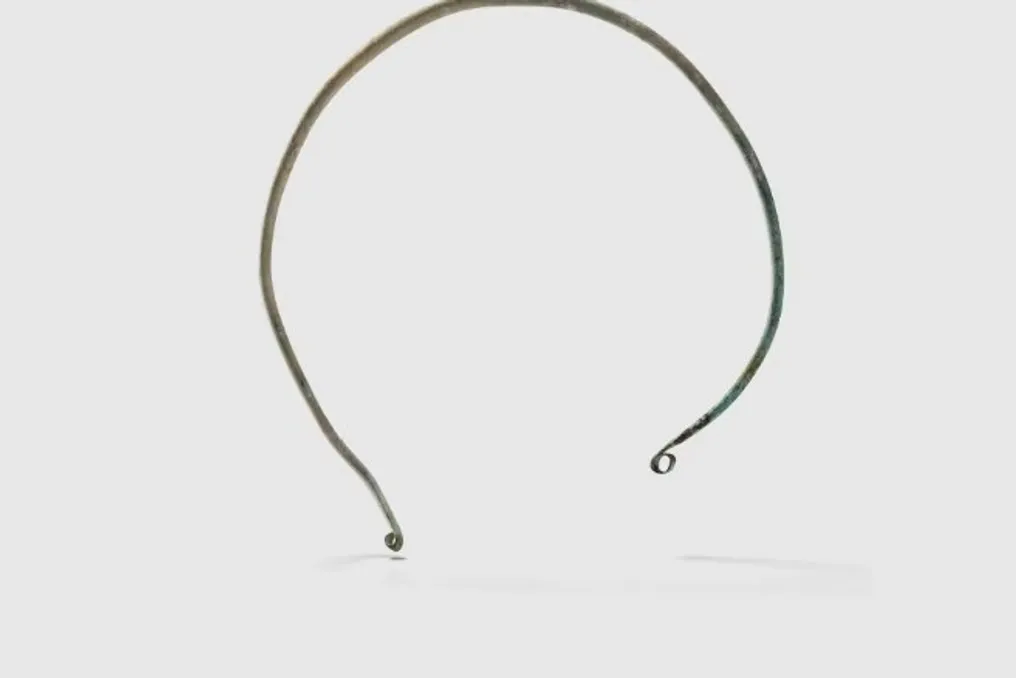
Archaeologists discovered an ornament belonging to the early Bronze Age for the first time on this ancient high-altitude road. Among the found items was a bronze neck torc.

This ornament has a diameter of about 13 centimeters and was made between 2000 and 1700 BC. Information about this find was published on the official website of the Archaeological Service of the Canton of Bern.

Natufian stone blades from Syria showed signs of use for grain harvesting
Read more
nplus1.ru

Natufian stone blades from Syria showed signs of use for grain harvesting

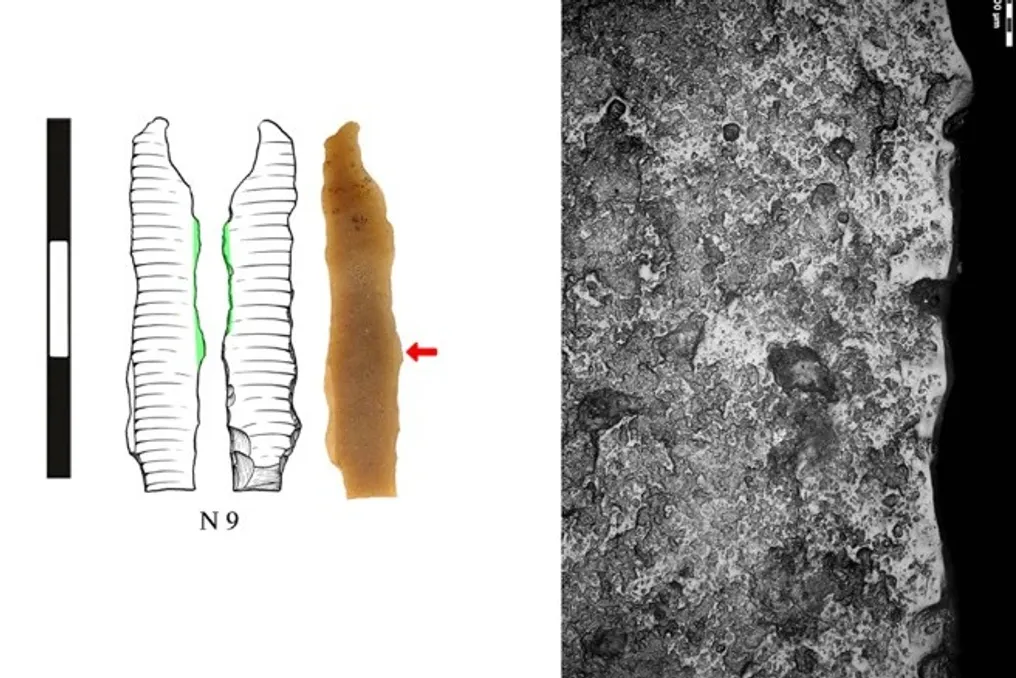
Archaeologists analyzed twelve sickle-shaped stone blades discovered in Syria at the Natufian site of Deffelik. The study indicated that the wear on these artifacts suggests that five of them, presumably around 14 thousand years ago, were primarily used for gathering wild grains.

The remaining tools, according to the analysis results, were used for processing various types of plants. This information was presented in a scientific publication published in the journal PLoS ONE.

Archaeologists discover dog paw print on Roman brick in Hungary
Read more
nplus1.ru

Archaeologists discover dog paw print on Roman brick in Hungary

Hungarian archaeologists conducted rescue excavations in the city of Sombatheij before the construction of a new power plant began. For many years, researchers have been working on sites belonging to various historical periods.

Among the discovered artifacts were monuments from the Roman era, which are remnants of rural villas. The earliest finds date back to the Neolithic period, i.e., the 5th millennium BC.

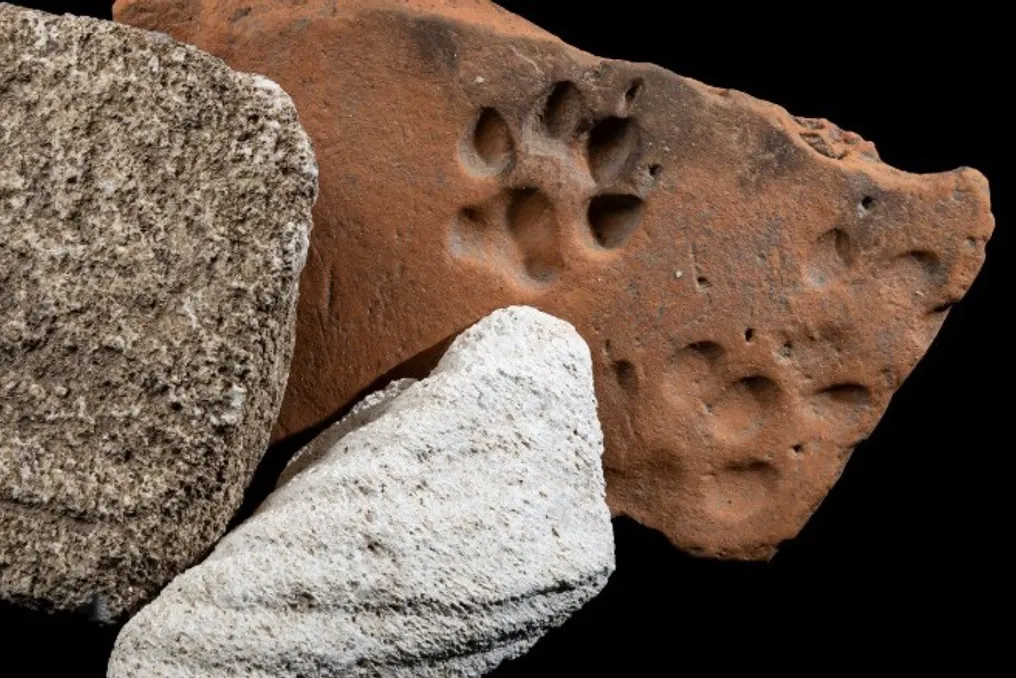
During the work, archaeologists managed to find an ancient brick on whose surface a dog paw print was preserved. This print was made even before the item was fired. Information about this find was published on the official website of the energy company E.ON Hungária Group.

Popular