Administration conducts medical checkups of intoxicated individuals near alcohol stores due to poisoning threat
Read more
Aaj Tak
www.aajtak.in

Administration conducts medical checkups of intoxicated individuals near alcohol stores due to poisoning threat

Following cases of death from poisonous alcohol in the city of Sagar, the district administration is showing heightened vigilance. To prevent dangers associated with alcohol consumption, authorities have launched a new initiative. As part of this program, groups have been deployed near alcohol stores to conduct on-site medical examinations and counseling for individuals consuming alcohol.

Under the instruction of Sagar collector Dilap Kumar Yadav, a joint team from the Department of Health and Customs Department has taken control of the situation. During this campaign, special camps were organized near wine shops not only in the city of Sagar but also in settlements such as Davari, Rahli, Bina, and Hurai.

Medical testing was conducted on a total of 97 people at these points. During the checks, participants were thoroughly informed about the serious harm that excessive alcohol consumption inflicts on the body and were provided with necessary medical consultation.

The district administration states that the goal of this special campaign is to raise awareness among people prone to excessive alcohol consumption. It is used to assess the current health status of citizens so that they can receive proper treatment in a timely manner if any physical problems arise.

Authorities reported that this joint event of the Department of Health and Customs Department will continue continuously to save lives.

It should be noted that dozens of people have died in the Sagar district over the past few months due to the consumption of poisonous alcohol. Significant dissatisfaction arose at the local level after these tragic events. Given the seriousness of the situation, a firm stance was adopted at the government level, and several high-ranking district officials were held accountable.

This recent administrative measure is considered an important step toward preventing similar incidents in the future.
Similar stories

Experts explain why water may contain chemicals despite having a normal taste, and what risks this poses
Read more
www.aajtak.in

Experts explain why water may contain chemicals despite having a normal taste, and what risks this poses

Even if water has a normal taste, it can contain chemical substances. In this regard, the Food Safety and Standards Authority of India (FSSAI) approved legal action against the company Bisleri International. The accusation is that samples of this company's bottled drinking water were found to be unsafe during testing because they did not meet the established limits for bromate.

The samples were deemed 'unsafe' due to the detection of polycyclic aromatic hydrocarbons (PAHs). Following FSSAI's actions, the question arose as to whether dangerous chemicals could be present in clean, bottled water, and doctors provided explanations on this matter.

Dr. Rajiv Dang, Director and Head of Internal Medicine at Max Hospital, emphasized that water is vital for the body, but the presence of harmful chemicals in drinking water poses a serious threat to health. The severity of the consequences depends on the type of chemical, its concentration, and the duration of consumption of such water.

Long-term consumption of water with chemical impurities can lead to serious problems. Dr. Rajiv warns that consuming contaminated water can cause stomach aches, vomiting, diarrhea, nausea, and digestive issues. Furthermore, long-term exposure to substances such as arsenic, lead, mercury, or other toxic chemicals can result in liver and kidney damage, and in some cases, an increased risk of cancer. Children and the elderly are particularly vulnerable.

There is a common misconception that if water tastes normal, it is safe to drink. However, many harmful chemicals can be present in water without causing changes in taste, color, or odor. Therefore, relying solely on taste or smell to assess water purity is impossible. Nevertheless, not all bottled water contains chemicals; if all parameters are within established norms, there is no threat.

Bisleri also issued a statement regarding this issue. The company asserts that its water is completely safe for drinking. According to the statement, this incident occurred about 18 months ago, and out of five tested samples, five were found to be correct, while one sample had a bromate content only slightly above the established limit. Bisleri stressed that the safety of drinking water is a priority for the company, and it applies strict quality control, and is ready to fully cooperate with FSSAI to resolve the situation.

Environment Minister calls on NCR states for coordinated action against air pollution
Read more
business-standard.com

Environment Minister calls on NCR states for coordinated action against air pollution

Union Environment Minister Bhupender Yadav stated on Saturday that air pollution does not recognize state borders and called for the coordinated implementation of pollution control measures across the National Capital Region (NCR).

He emphasized the need for real-time monitoring through Integrated Control and Monitoring Centers (ICCCs), as well as direct accountability of field staff for violations.

Discussion on air pollution reduction measures

Yadav chaired a meeting on Saturday to assess the measures adopted in Delhi, Haryana, Uttar Pradesh, and Rajasthan to mitigate air pollution in the Delhi-NCR.

During the meeting, state governments were instructed to appoint secretary-level officials for seven cities in Haryana, four cities in Uttar Pradesh, and four cities in Rajasthan. These officials must implement pollution control measures through field inspections and provide weekly reports to the Commission for Air Quality Management (CAQM).

CAQM was also tasked with issuing notices to ineffective employees.

Additional directives and action plans

Other directives included accelerating the implementation of the PARIVARTAN Scheme, which mandates replacing trucks and buses up to BS-VI standard with vehicles running on BS-VI, CNG, and electric models by 2028. The Minister ordered all departments to ensure strict adherence to the Graded Response Action Plan (GRAP) and urged NCR states to adopt a Delhi winter action plan focused on hotspots. This plan covers traffic management, work-from-home measures, construction restrictions, and prevention of open burning.

GRAP is a set of emergency measures implemented to prevent further deterioration of air quality after reaching a certain threshold.

Road dust management

Yadav analyzed road dust management issues and noted that only 3221 km out of the planned 5480 km of roads have been repaired. The Union Environment Ministry reported in a statement that it has directed road departments to prioritize pothole repair, damaged footpaths, central lanes, and complete paving, following CAQM guidelines and utilizing AI-based video surveys.

Concluding the meeting, Yadav stressed that coordinated efforts, accountability at the field worker level, and visible actions on the ground are necessary for effectively addressing air pollution in Delhi-NCR.

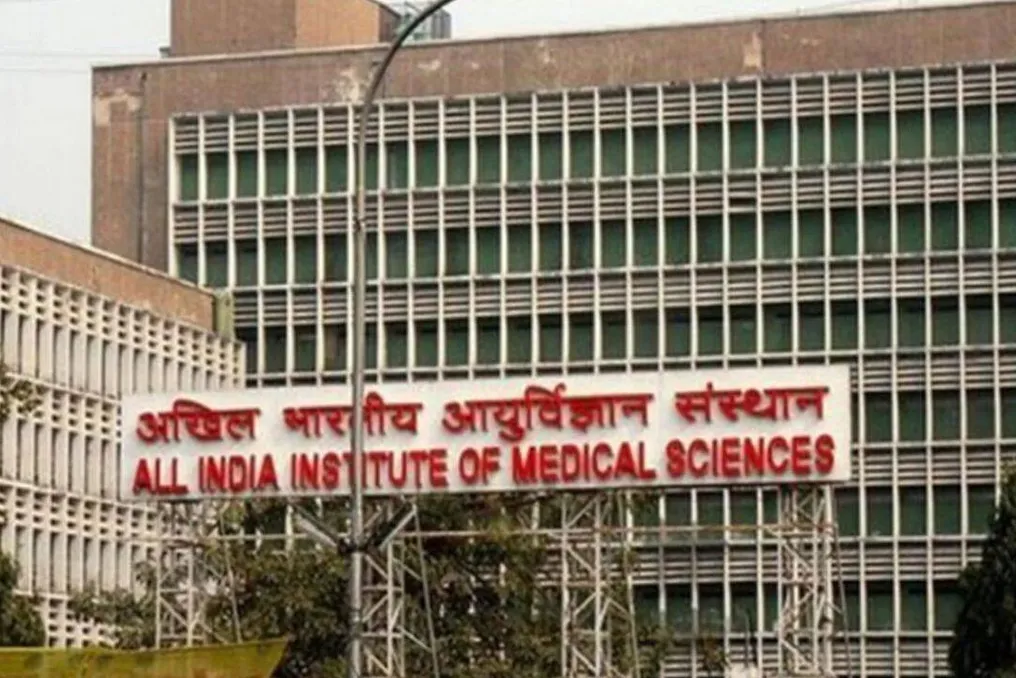
AIIMS plans to create a national registry to monitor poisoning cases
Read more
timesofindia.indiatimes.com

AIIMS plans to create a national registry to monitor poisoning cases

AIIMS in New Delhi is developing a plan to create a national system for tracking poisoning cases across the country. The proposed National Poisoning Registry will collect reports of poisoning incidents and ensure digital connectivity between poisoning control centers for prompt data transmission.

Under this proposal, the National Poisons Information Centre (NPIC) must transform from a 24-hour telephone consultation service into a national toxicology hub network. This network will include satellite units that will be digitally linked to the AIIMS center.

Within the proposed system, poisoning cases registered in participating centers can feed into a centralized database. This will allow for tracking emerging trends and enhancing emergency preparedness. The plan also includes establishing a national antidote bank, an analytical testing laboratory, and developing research programs, development, and real-time reporting software with artificial intelligence-based diagnostics.

NPIC, established at AIIMS in 1995, became the first such center in India. It evolved from a telephone service advising emergency physicians on poisonings to a 24-hour toxicology resource accepting calls nationwide. Between 1995 and 2025, it received over 65,000 calls related to household products, pesticides, drug overdoses, and snake bites.

NPIC data demonstrates a wide range of exposures, including chemicals from agricultural and industrial sectors, medicines, plants, household goods, as well as bites and burns. Among all calls related to bites and burns, snake bites constituted the largest proportion in both the 2010–19 and 2020–25 periods.

The proposed expansion aims to shift from handling individual emergencies to forming a broader national picture of poisoning patterns. AIIMS has suggested linking the hub center with peripheral units, as well as integrating analytical testing and a national antidote bank to strengthen response to poisoning-related emergencies.

Furthermore, the proposal includes programs for increasing awareness about poisons and building capacity for children, teachers, parents, and workers, as well as a National Awareness and Information Program and the designation of a special National Poison Awareness Day. As part of the expansion, AIIMS has proposed renaming NPIC to the National Network Center for Toxicology Sciences and Research (NNCTSR).

Popular