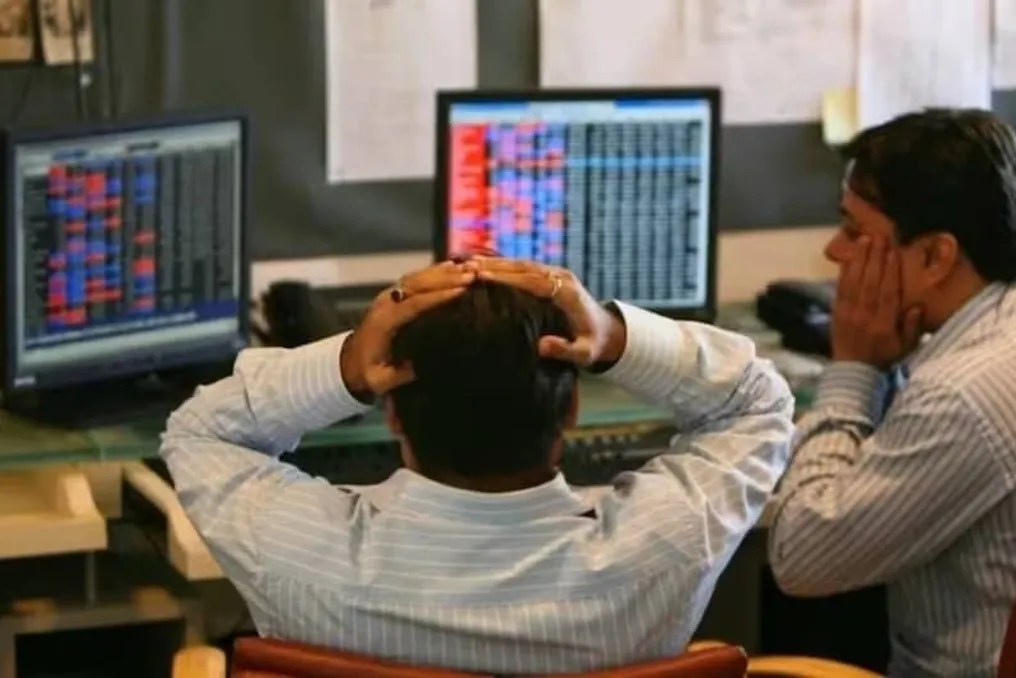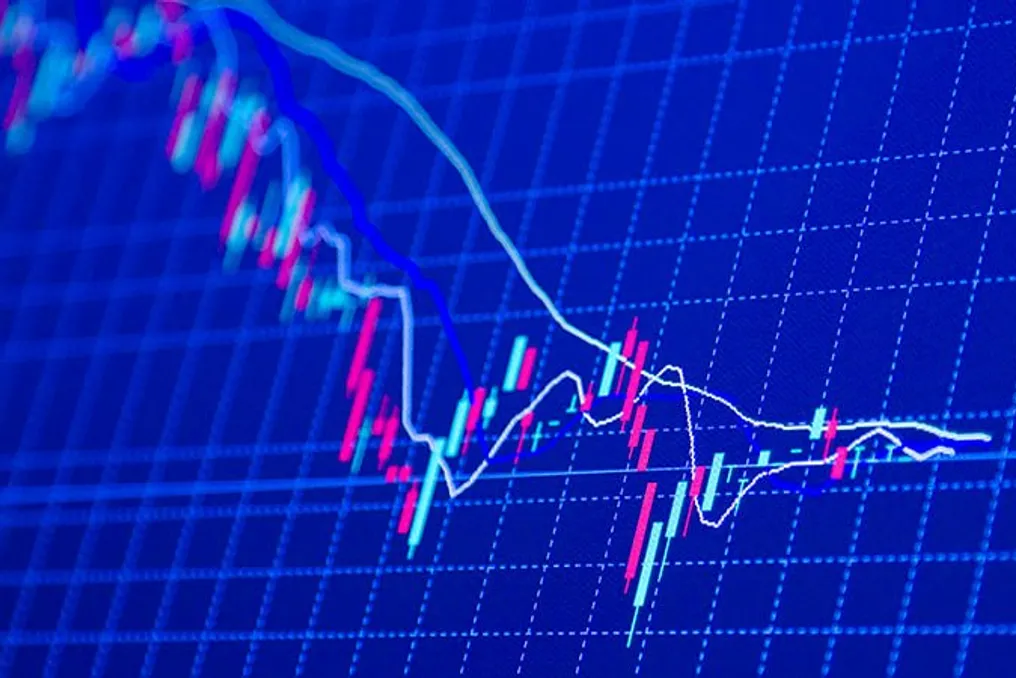
Goldman Sachs forecasts possible further decline in the US stock market
Read more
Podrobno.uz [uz]
podrobno.uz

Goldman Sachs forecasts possible further decline in the US stock market

The US stock market may face a new wave of sell-offs over the next week. According to Goldman Sachs data, the bank's panic index reached 9 out of 10. The bank's models suggest that investors using algorithmic strategies are capable of executing sales worth tens of billions of dollars.

According to information obtained by Bloomberg citing analysts from Goldman Sachs' trading division, asset managers employing trend-following strategies (CTA) sold US stocks worth $57 billion over the past month. Their overall market position shifted from purely long to short, amounting to a minus $19 billion.

Further potential sales depend on price movements. If the market maintains its current level, these investors could sell an additional $65.8 billion. With rising prices, the volume of possible sales is estimated at $28.6 billion, while with further declines, it could reach $80.6 billion.

One factor contributing to the sell-offs is investor concern about whether significant investments in chip manufacturing, computing power, and artificial intelligence infrastructure can generate returns that justify the high valuations of technology companies.

The initial public offering of Anthropic shares also did not have the expected positive impact on the market, despite investor hopes for a renewed interest in risky assets; however, no general market growth was observed.

On Friday, the Nasdaq 100 index fell by 5.6% for the week, marking the worst weekly result since March 2020. The Philadelphia Stock Exchange Semiconductor Index for semiconductor companies decreased by 11%. Nvidia's stock price dropped by 14% in one day, and since its October peak, its price has nearly halved.

The sell-off affected not only large technology firms. According to Goldman Sachs, a portfolio popular among private investors lost 8.9% of its value over the week, and a group of papers sensitive to Bitcoin dynamics declined by 11%.

Similar stories

Stock Market Crash: Sensex Index Falls by 1800 Points, Losing Over 500 Billion Rupees
Read more
www.aajtak.in

Stock Market Crash: Sensex Index Falls by 1800 Points, Losing Over 500 Billion Rupees

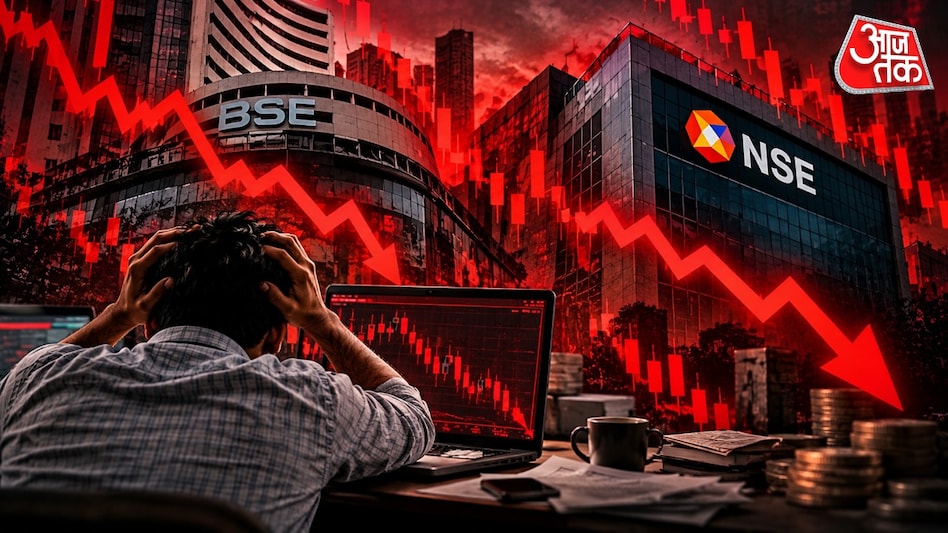
The first working day of the week, Monday, turned out to be like a 'Black Monday' for investors in the stock market. After a strong rise, the market suddenly experienced a crash, which caused panic among traders. The Sensex and Nifty indices dropped sharply.

The BSE Sensex index, comprising 30 stocks, plummeted by 1800 points from its daily high of around noon after an initial rise of 700 points. Meanwhile, the NSE Nifty index lost approximately 300 points. As a result of this market turmoil, investors lost over 500 billion rupees in a single moment.

An analysis of the start of trading shows that the Sensex from BSE began with a sharp jump, opening at 84,421 points compared to the previous close of 83,919. In the first minutes of trading, it reached 84,662, showing an impressive rise of 743 points. However, the subsequent decline intensified as the market continued to operate. By the time of writing, the Sensex had fallen by 1800 points from its daily high, reaching the mark of 82,862.

Goldman Sachs lowers gold price forecast for the end of 2027
Read more
podrobno.uz

Goldman Sachs lowers gold price forecast for the end of 2027

The American financial institution Goldman Sachs has adjusted its gold price forecast for the end of 2027, lowering it from $4,800 to $4,650 per troy ounce. Analysts at the bank attribute this change to assumptions about further interest rate hikes in the United States, which could potentially reduce private investor interest in the precious metal.

According to the updated forecast, the price of gold is still expected to increase by approximately 16% by December 2027 compared to current figures. This information was provided by Investing.com.

Goldman Sachs economists predict that the US Federal Reserve (Fed) will raise the key interest rate by another 0.25 percentage point in December 2026 and again by the same amount in March 2027. The increased cost of borrowing may make gold less attractive to private buyers and limit its price at the beginning of next year.

Nevertheless, Goldman Sachs anticipates stable demand from central banks, including China, as their purchases remain an important market support factor. The bank expects private investors to begin purchasing gold more actively after the Fed starts the process of cutting interest rates, which is projected to happen in December 2027. This factor, combined with central bank purchases, should support the metal's value.

Concurrently, the International Monetary Fund (IMF) worsened its forecast regarding Uzbekistan's current account deficit in 2026, raising it from 3.2% to 5.1% of GDP. The Fund cited the decline in gold exports below expected levels and accelerated import growth driven by high domestic demand as reasons for this deterioration.

Market fell by 200 billion rupees amid rising inflation and oil prices
Read more
www.aajtak.in

Market fell by 200 billion rupees amid rising inflation and oil prices

The Indian stock market experienced a significant decline as retail inflation in India reached 6.09 percent in October, the highest figure in two years. Following the sharp rise in inflation, there was a strong downturn in the Indian stock market.

The Nifty index fell by 155 points, closing at 25,144, while the Sensex dropped by 318 points or 0.39 percent, ending trading at 81,592. The decline also affected the banking sector, where Nifty Bank lost over 480 points.

This drop led to a significant reduction in the BSE's market capitalization, which shrank by 2.25 trillion rupees to 510 trillion rupees. Among the top 30 companies on the BSE, only seven stocks recorded growth; the other 23 stocks fell by up to 2 percent. The largest decline was observed among BEL shares. Pressure was felt across all sectors, with the biggest fall in industries such as cement, automotive, and metallurgy. The Nifty Realty index also closed down by 1.70 percent.

V2 shares, in particular, faced significant pressure, falling by more than 12 percent. Jeevan Seekho Life Care shares decreased by 7 percent, and Piccadilly Agro shares also lost up to 7 percent. Manappuram Finance shares declined by approximately 4 percent, while Ola Electric shares fell by 3 percent. Furthermore, Tata Motors Commercial shares dropped by more than 4.32 percent, and Shriram Finance shares lost 3.37 percent.

The reasons for today's stock market slump are twofold. Firstly, retail inflation in India exceeded the RBI's target of 6 percent in October, signaling rising inflation and reduced incomes, which triggered sell-offs in the stock market. Secondly, crude oil prices rose again. Crude oil increased from $91 to over $95 per barrel. This rise in oil prices followed recent statements by Trump regarding Iran.

Popular