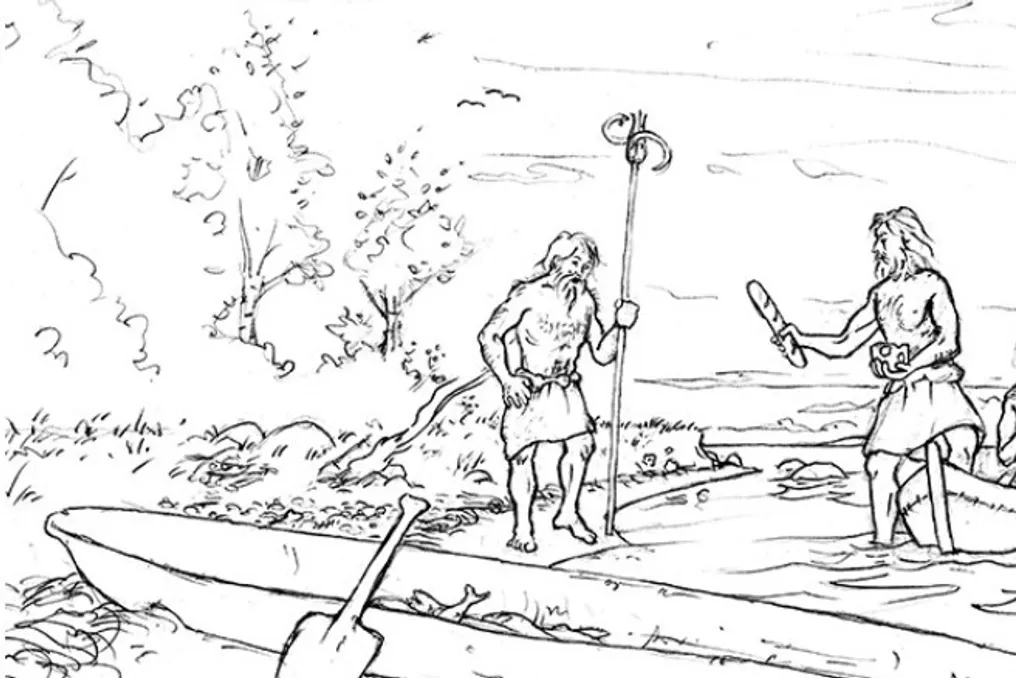
New analysis suggests rhinoceros petroglyph on Ushkanik Island might depict bison
Read more
N+1
nplus1.ru

New analysis suggests rhinoceros petroglyph on Ushkanik Island might depict bison

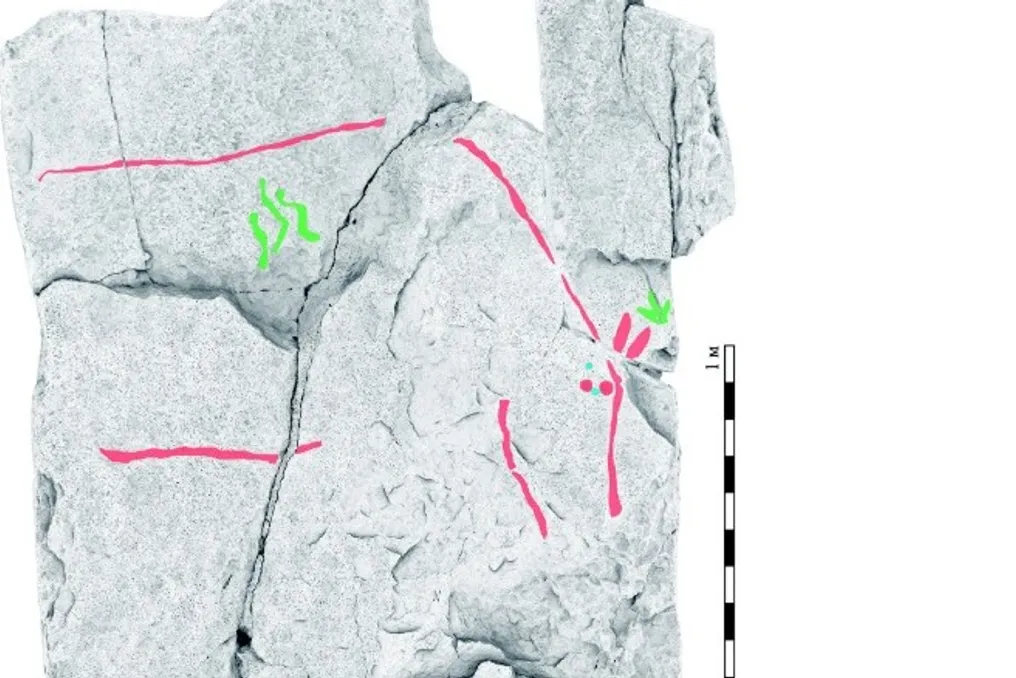
Russian researchers conducted a re-examination of an ancient petroglyph found on Ushkanik Island about ninety years ago. Previously, scientists believed that the rock might depict either a moose or a woolly rhinoceros.

However, the results of the new analysis indicate that the creator of this prehistoric image most likely intended to convey the image of a steppe bison. According to the authors of the publication in the journal 'Brief Communications of the Institute of Archaeology,' the age of this petroglyph is estimated to be at least nine thousand years old.
Similar stories

Natufian stone blades from Syria showed signs of use for grain harvesting
Read more
nplus1.ru

Natufian stone blades from Syria showed signs of use for grain harvesting

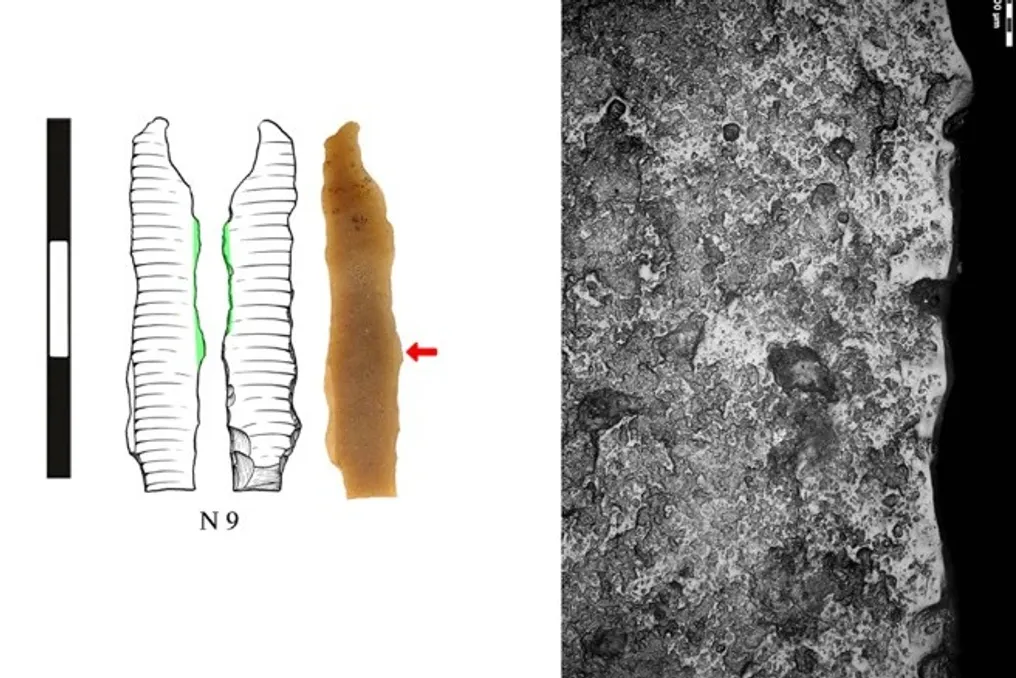
Archaeologists analyzed twelve sickle-shaped stone blades discovered in Syria at the Natufian site of Deffelik. The study indicated that the wear on these artifacts suggests that five of them, presumably around 14 thousand years ago, were primarily used for gathering wild grains.

The remaining tools, according to the analysis results, were used for processing various types of plants. This information was presented in a scientific publication published in the journal PLoS ONE.

Archaeologists discover dog paw print on Roman brick in Hungary
Read more
nplus1.ru

Archaeologists discover dog paw print on Roman brick in Hungary

Hungarian archaeologists conducted rescue excavations in the city of Sombatheij before the construction of a new power plant began. For many years, researchers have been working on sites belonging to various historical periods.

Among the discovered artifacts were monuments from the Roman era, which are remnants of rural villas. The earliest finds date back to the Neolithic period, i.e., the 5th millennium BC.

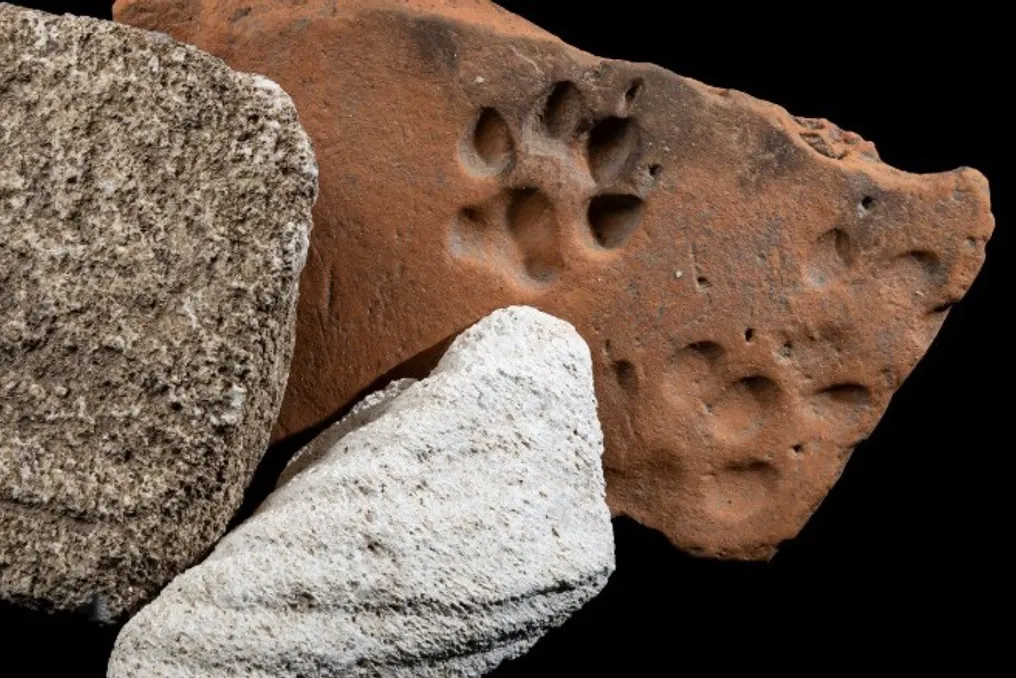
During the work, archaeologists managed to find an ancient brick on whose surface a dog paw print was preserved. This print was made even before the item was fired. Information about this find was published on the official website of the energy company E.ON Hungária Group.

Skeletal analysis showed that an ancient Scandinavian personally witnessed the beginning of the Neolithic in the region
Read more
nplus1.ru

Skeletal analysis showed that an ancient Scandinavian personally witnessed the beginning of the Neolithic in the region

Researchers continued to study one of the most interesting late Mesolithic skeletons discovered in Denmark. This individual from Rødthal represents the latest example of a hunter-gatherer in this region whose diet was not mixed with products brought by Neolithic farmers.

Isotopic analysis of this adult male revealed significant changes in his diet throughout his life. It was established that he began consuming agricultural crops during his adolescence.

According to information presented in the journal Antiquity, it is presumed that about 5800 years ago this individual witnessed the beginning of the Neolithic period in this area.

Popular