India Inc appeals to Modi to increase regulatory transparency
Read more
Business Standard
business-standard.com

India Inc appeals to Modi to increase regulatory transparency

Following Prime Minister Narendra Modi's criticism of Indian industry regarding insufficient job creation and other aspects, senior officials of the Confederation of Indian Industry (CII) proposed several measures to the government on Monday to stimulate private investment. These measures include strengthening market integrity, increasing regulatory transparency, and easing cross-border capital flows.

CII Director General Chandradjit Banerjee stated in an X post that the government's key strategy should be creating a business environment characterized by robust investor protection and regulatory simplicity, complemented by market integrity. He emphasized that regulatory bodies must play a vital role in ensuring their requirements do not become obstacles to the free movement of cross-border capital.

Banerjee noted that Modi's call to industry to increase investment, foster innovation, and enhance competitiveness serves as a reminder of the need to boost productivity and ensure long-term economic growth. He added that India's ability to attract long-term capital will depend on the strength of its markets and the competitiveness of its sectors, and increased transparency alongside ease of doing business will strengthen India's position as a global investment destination.

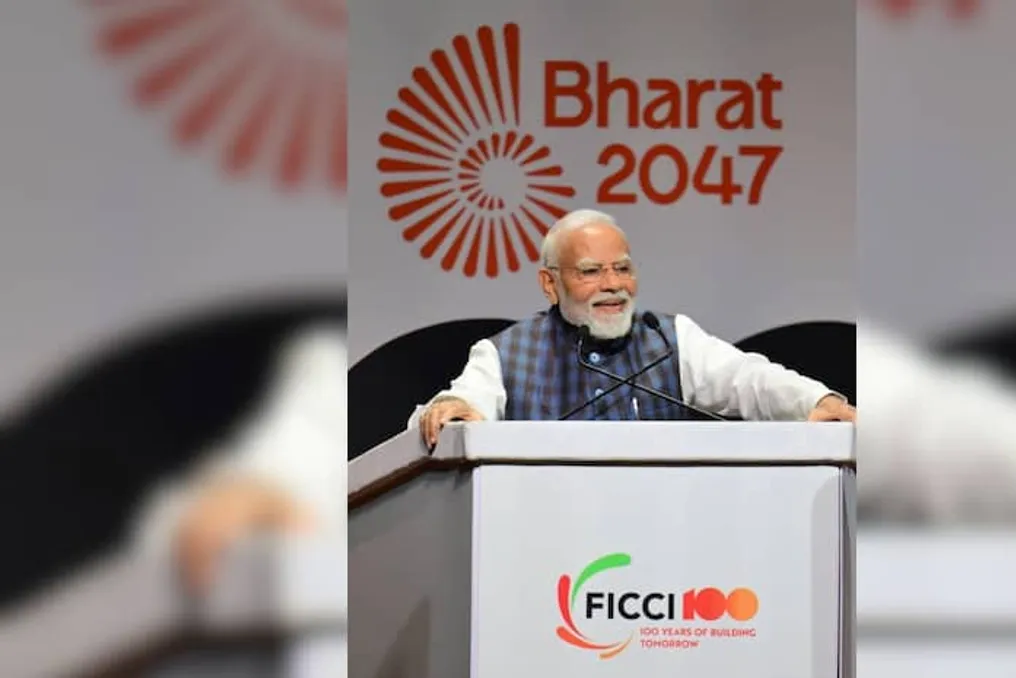
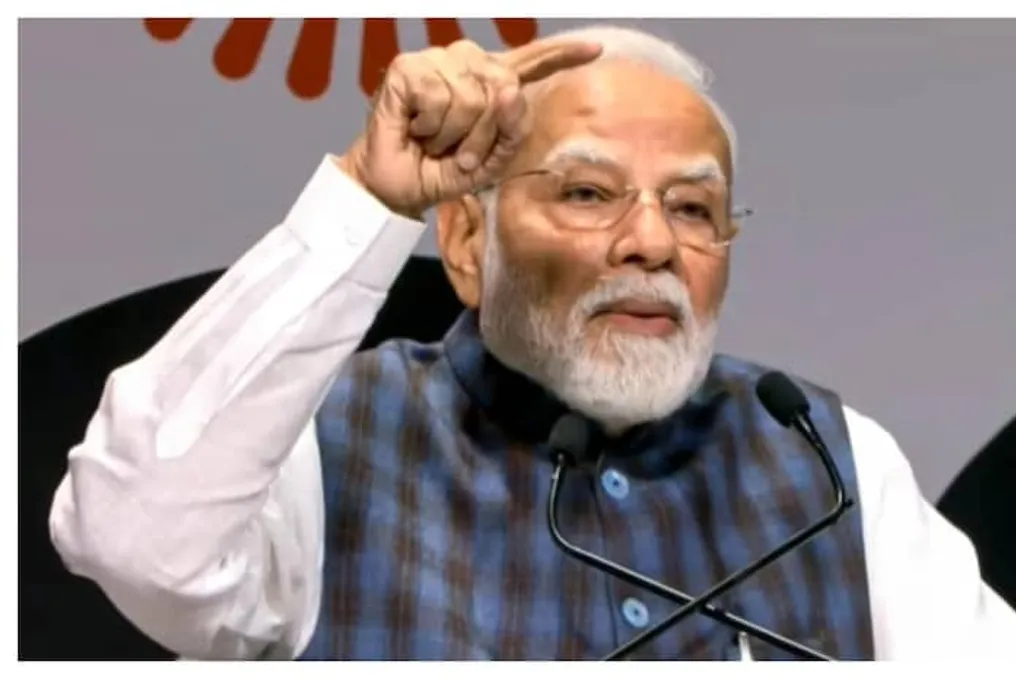
During the annual general meeting of the Federation of Indian Chambers of Commerce and Industry (FICCI), Modi criticized Indian companies for their persistent reliance on imports in critical sectors and for viewing the country's vast domestic market as a 'comfort zone' rather than improving product quality and building capacity for global competition.

Rajiv Memani, former CII President, stated that global investors demand clear, predictable, and proportionate rules. He stressed that the Indian regulatory system must meet all three criteria, as financing India's investment needs will require both domestic savings and foreign capital. Long-term global investors consider regulatory clarity, predictability, and compliance costs alongside returns.

Memani also noted that openness to global capital and market integrity are complementary goals. Sanjeev Puri, former CII President and Chairman & Managing Director of ITC, commented that strong corporate governance and predictable regulation are necessary for Indian companies seeking to attract long-term domestic and foreign capital. He added that transparency, investor trust, and ease of investment mutually reinforce each other, and 'living markets can provide a significant impetus to sustainable economic growth and competitiveness.'

R Dinesh, another former CII President and Executive Chairman of TVS Supply Chain Solutions, suggested that access to long-term capital and confidence in market regulation are crucial for an economy actively investing in infrastructure and logistics. He believes that 'clear rules, strong governance, and proportionate regulation can help achieve both these goals.'

CII President R Mukundan, who is also Managing Director and CEO of Tata Chemicals, stated that the next priority should be transitioning from 'ease of doing business' to 'speed of doing business'. He mentioned that the CII Private Investment Index showed record private project announcements of ₹26.6 trillion in the first half of FY27, which is 4.4 times the average over a long period.

In conclusion, he agreed with Prime Minister Modi that 'the task now for industry is to make the foundation of every long-term decision the principle of 'India First'.' CII and its members are committed to this agenda.
Similar stories

CII Proposes 15 Financial Sector Reforms for India to Support Long-Term Growth
Read more
yourstory.com

CII Proposes 15 Financial Sector Reforms for India to Support Long-Term Growth

To strengthen India's financial system and achieve ambitious long-term growth targets, the industry body CII has put forward 15 proposals for reforming the financial sector. These measures include creating a permanent liquidity window for well-managed NBFCs and increasing lending limits for priority sectors such as renewable energy.

These recommendations come against the backdrop of the government announcing a High-Level Committee on Banking for Viksit Bharat within the State Budget for 2026–27. This committee has been given a six-month period to study long-term capital requirements for banks, development finance institutions, and NBFCs, as well as to review lending norms for priority sectors, prepare a roadmap for AI and digitalization implementation, and analyze prudential regulations.

CII Director-General Chandradjit Banerjee noted that the financial sector is entering this phase in a strong position, benefiting from healthy balance sheets of banks and NBFCs, as well as several important steps taken by the government and regulators over the past year. He stated that the current task is to create a system capable of financing an economy that will be several times larger than its current size by 2047. This requires deeper and longer-term sources of capital, lending that reaches growth-stimulating sectors, and regulation that aligns with financial service delivery methods. According to him, their proposals aim to take current reform efforts to the next stage.

CII calculated that by 2047, an economy of $26.5 trillion will require nearly $106 trillion in financial assets, compared to approximately $7 trillion currently. It was noted that bank assets must grow 3–3.5 percentage points faster than nominal GDP.

The industry body also highlighted the relatively weak corporate bond market, which accounts for about 15 percent of India's GDP, whereas this figure reaches 36 percent in China and over 80 percent in South Korea.

To advance reforms to a new level, CII called for increasing the lending limit for priority sectors for renewable energy projects from ₹35 crore to ₹80–100 crore per borrower, and including circular economy activities, such as battery recycling and reuse, in this scope.

Regarding NBFCs, CII requested the creation of a permanent, rule-based liquidity and refinancing window for properly managed entities, access to which should depend on compliance status, collateral standards, and eligibility criteria. Furthermore, it was proposed to lower the threshold for NBFCs under the SARFAESI Act from ₹20 lakh to ₹1 lakh to align them with housing finance banks and companies.

Other proposals include providing access to Debt Recovery Tribunals, the Central Repository of Large Credit Information, and central fraud registries, subject to appropriate guarantees and mutual data-sharing obligations.

To deepen the corporate bond markets, CII recommended allowing pension funds, insurance companies, and social security funds calibrated participation in bonds rated below AA and long-term instruments.

In the insurance sector, the industry body advocated for restoring the input tax credit for individual health and life insurance policies by classifying them as zero-rated rather than exempt under GST. Other recommendations include raising the voting rights cap in private banks from 26 percent to 49 percent, considering governance measures, and increasing the limit of foreign investment in public sector banks from 20 percent to 49 percent to help them attract capital.

CII also called for expanding the scope of Account Aggregator to public databases, including land records, eMandi transactions, NREGA records, and Aadhaar card data, subject to consent guarantees. For MSMEs, CII proposed making insurance coverage against risks such as fire, flood, equipment breakdown, and business interruption a standard feature of government guarantee loans. CII estimates the MSME credit gap at ₹25–30 lakh crore.

Remaining proposals include rationalizing investment limits for insurers and pension funds, finalizing climate finance taxonomy, improving regulatory predictability for NBFCs, deepening internal institutional capital for venture and private equity, and permitting certified automated video-based customer identification.

Indian business responds to Prime Minister's call for job creation and wage hikes
Read more
business-standard.com

Indian business responds to Prime Minister's call for job creation and wage hikes

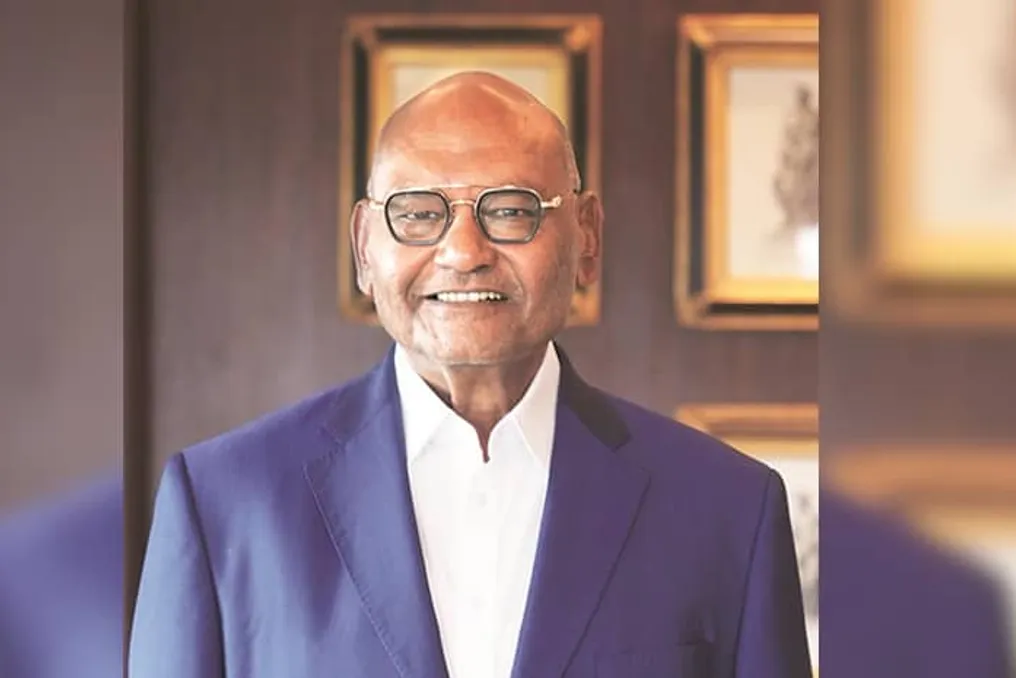
Most industry representatives supported the Prime Minister's appeal, although some also cited factors hindering the achievement of these goals. A day after Prime Minister Narendra Modi criticized India Inc for insufficient job creation and wage increases despite significant cuts in corporate taxes, Anil Agarwal, chairman of the Vedanta group, announced that the company recently introduced a special 'Chairman's Bonus,' providing an additional 10 percent of annual salary to nearly 100,000 employees.

Other industry leaders and business associations stated that they are also making efforts, with some proposing additional measures to stimulate employment in respective sectors. However, there was no immediate reaction from major industry bodies.

Modi's Criticism of the Corporate Sector

During his address at the annual general meeting of the Federation of Indian Chambers of Commerce and Industry, Modi pointed to the continued reliance of corporate India on imports in areas such as pharmaceuticals and metallurgy. He also noted that the country views its vast domestic market as a 'comfort zone' rather than enhancing product quality and building capacity for global competition.

Views of Industry Leaders

Mohini Milind Kelkar, president of the Indian Machine Tool Manufacturers' Association (IMTMA), expressed solidarity with the Prime Minister's concerns and reported that the association is working to address the labor shortage. The Federation of Indian Mineral Industries recognized the 'significant potential of the mining sector for generating employment, both direct and indirect through related activities such as transportation, equipment manufacturing, and subsequent processing.' A representative of this federation stated that encouraging investment in mineral extraction and increasing added value, alongside skill development, will help create quality jobs, which will 'strengthen India's mineral security and reduce dependence on imports.'

Sanjay Mehta, president of the Indian Materials Recycling Association, supported the Prime Minister's call, noting that the materials recycling sector faces a unique challenge: the current volume of domestic scrap collection in India is insufficient to meet the growing needs of recycling enterprises, as it is key raw material. Consequently, Mehta stated that importing quality scrap has become 'unavoidable.'

Rajamani Krishnamurthy, president of the Indian Stainless Steel Development Association (ISSDA), agreed that the Prime Minister's remarks resonated strongly with the aspirations and realities of the Indian stainless steel industry, but emphasized that addressing certain structural issues is urgently needed to realize India's full production potential. ISSDA highlighted the necessity of strengthening raw material security, immediately implementing quality control standards, fair trade, and the absence of unfair competition.

Krishnamurthy pointed to priority issues, including resolving unfair trade problems, promoting domestic value addition, encouraging investment, technology, and employment. He added that the core message of the Indian stainless steel industry is not seeking protection from competition, but demanding a level playing field.

Ajay Rana from the Federation of Seed Industry of India (FSII) reported that the seed industry hires people and, although the industry has huge stocks, it has not laid anyone off.

Barriers to Growth and Support

Many industry representatives generally supported the Prime Minister's call, but some also listed hindering factors. One senior industry representative, who wished to remain unnamed, stated: 'The biggest drawbacks are bureaucracy and the parallel economy, which harm the country.' Another India Inc representative, speaking anonymously, added that the issue of job creation and tax benefit transfer varies by sector. This official noted that some industries, such as kitchenware and home appliances, are increasing staff due to growth, but he also mentioned that there is a decline in core manufacturing sectors.

A representative from the road construction and infrastructure sector reported that the challenges in this sector are quite complex, as the discussion is dominated by issues related to bonuses and incentives.

Meanwhile, the Vedanta group reported in its note that the group has also developed a democratized Employee Stock Option Plan (ESOP) for employees, expanding ownership opportunities from entry-level specialists, including recent graduates, to top management, covering about 40 percent of its workforce. Furthermore, a senior official of NITI Aayog urged the industry to view the government as an enabling force, not just a source of financial subsidies.

Prime Minister Modi urged Indian industry to reduce import dependence and improve product quality
Read more
business-standard.com

Prime Minister Modi urged Indian industry to reduce import dependence and improve product quality

Prime Minister Narendra Modi addressed the annual general meeting of the Federation of Indian Chambers of Commerce & Industry (FICCI), criticizing Indian industry for its persistent reliance on imports in sectors such as metallurgy and pharmaceuticals. He also pointed out that businesses view the vast domestic market as a 'comfort zone' instead of improving product quality and building capacity for global competition.

Modi strongly urged enterprises to abandon complacency, utilize opportunities provided by India's recently signed Free Trade Agreements (FTAs), and invest in studying foreign consumer preferences to develop products tailored to specific markets.

He stated: 'Our domestic market should not be our comfort zone,' emphasizing that the industry must change its approach because 'my compatriots deserve quality.' The Prime Minister questioned the actions of Indian businesses regarding increasing staff and raising salaries, despite the significant reduction in the corporate tax rate from 30% to 22% in 2019 and the tax credit up to 12 lakhs in 2025.

Modi noted that the industry's appetite is such that its stomach will never be full, no matter how much it is given. He also commented on the remarks by Mohandas Pai, an investor and former CFO of Infosys, who thanked Narendra Modi for raising the issues, noting that companies have significantly increased executive compensation while starting salaries have barely exceeded inflation over the last ten years.

The Prime Minister stressed that industry must prepare for future national and international demands and develop corresponding competencies in the era of resource militarization. He advised: 'When making any long-term investment decision over the next 20 years, make 'India first' the foundation. This will make the country self-reliant and open new opportunities for your business growth.'

Highlighting the recently concluded FTAs with major economies, Modi asked the industry about its plans to leverage these opportunities, stating that 'there is no greater historical opportunity than this, and if you do not utilize all this hard work of mine, who will?'

Furthermore, the Prime Minister highlighted India's low share in global agricultural exports, estimated at about 2–2.5 percent, and called on the Indian corporate sector to increase investments in agriculture, food processing, and value addition. He pointed to the growth in the share of processed products in India's agro-food exports from 13% to over 20% in the last 12 years, asserting that more active participation from industry will help the country capture a larger share of the global market.

Modi also singled out the production of hand tools, power tools, and machinery as areas with great export potential, especially in developing countries and the Global South. He criticized the industry for its lack of attention to product quality and neglect of the domestic market, insisting: 'Even today you have to tell them that it is 'export quality'? We must change this mindset. My compatriots deserve quality.'

Calling his government 'Doost Sarkar' (Friendly Government), Modi asked industry leaders to freely provide suggestions for necessary economic reforms. He assured that 'if two out of one hundred points touch a pain point, that will be my shortcoming—you will leave no shortcomings. Both doors of the government and the wisdom of the government are completely open.'

Finally, urging the industry not to remain stagnant while knowing the needs of the domestic market, Modi stated that it is necessary to invest in studying and understanding customer needs in various parts of the world. He added that it is crucial to meet global standards and create distribution networks for products to gain customer trust in the global market and connect them with India.

Popular