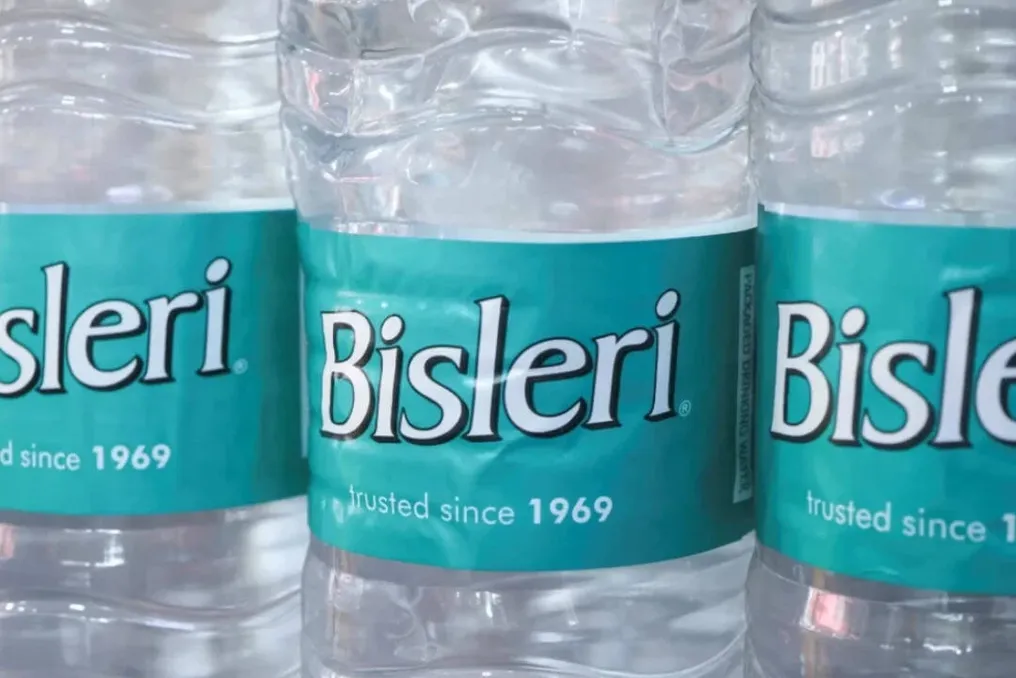
Concerns have arisen regarding potential health risks, including kidney damage and cancer, following the detection of chemical contaminants in a batch of bottled drinking water produced by Bisleri at its Goa plant.
According to reports, the Food Safety and Standards Authority of India (FSSAI) deemed a sample unsafe after tests revealed the presence of bromate and polycyclic aromatic hydrocarbons (PAHs).
However, Bisleri disputes these findings, insisting that its water is safe for consumption. On Monday, the company issued a statement reporting that FSSAI collected six samples from the production site in Goa on September 30, 2025.
According to the company's statement, five out of the six samples complied with established norms, but the sixth sample showed a bromate content of 12 micrograms per liter, exceeding the set limit of 10 micrograms per liter.
Following an appeal, the sample was sent to a referral laboratory in November 2025. Bisleri stated that this laboratory found bromate within normal limits but separately noted the presence of PAHs. Subsequently, the company sent the sample for testing to an independent laboratory accredited by FSSAI, which also recorded bromate within the established norms.
Bisleri reported providing the independent laboratory's results to the Western Regional Office of FSSAI on February 2, 2026, but received no further communication. Furthermore, it claimed not to have received notification of the issue either via email or in hard copy.
Dr. Tanmay Pandya, Head of Department and Director of Nephrology and Kidney Transplantation at Sarvodaya Hospital, Faridabad, noted that prolonged exposure to certain chemical contaminants can affect kidney function, depending on the concentration and duration of exposure.
He emphasized that 'bromate is a chemical substance of concern due to its potential carcinogenic properties,' adding that some heavy metals and industrial chemicals can also impair kidney function.
Explaining the contamination issues, Dr. Saurabh Arora, Medical Director of Auriga Research, clarified that bottled drinking water and natural mineral water are regulated by different standards. He suggested that bromate might form during water purification, while PAHs could enter through packaging or during pouring.
Bisleri also stated that it follows a ten-step purification process and conducts over 90 types of quality tests, and is ready to cooperate with FSSAI.