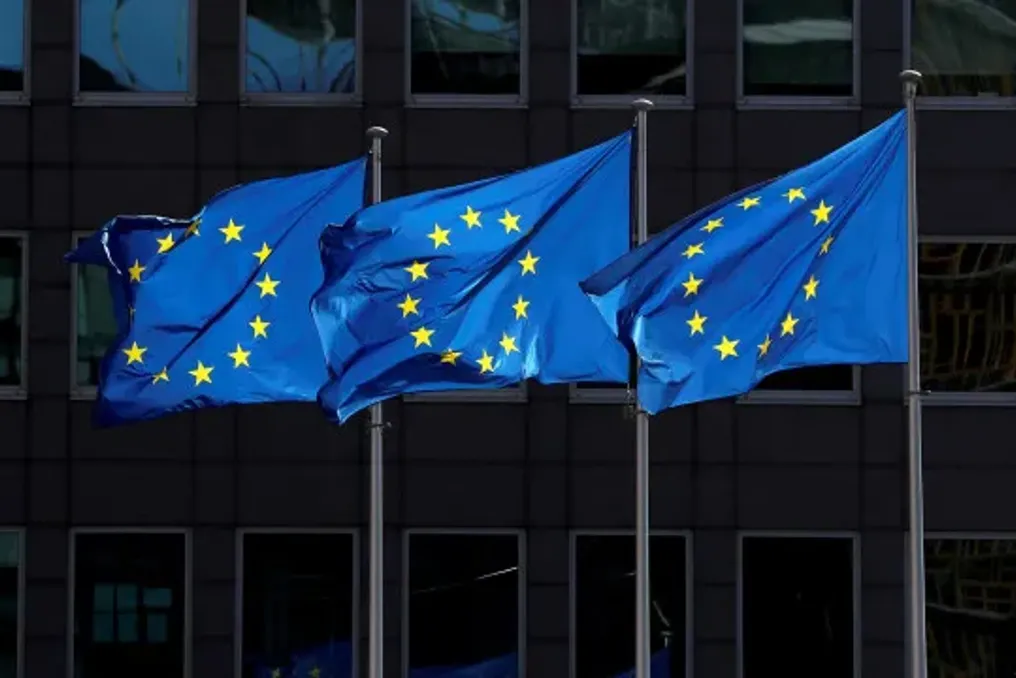
European Union Confirms Fishing Agreement with Mauritania
Read more
Noticias ao Minuto
noticiasaominuto.com

European Union Confirms Fishing Agreement with Mauritania

The European Union (EU) announced the conclusion of an agreement with Mauritania concerning fisheries. This followed the expiration of the previous treaty, which granted access to the African country's coast for European vessels.

The European Commissioner for Fisheries, Kostas Kadis, stated in Brussels that the new agreement will be signed before February and subsequently enter into force. This move came after 'intensive negotiations.'

An EU representative, without disclosing details of the arrangement, emphasized that the partnership is based on a 'clear and transparent methodology that takes into account the value' of the caught fish, as well as 'scientific conclusions regarding the state of stocks.'

According to the statement from the Mauritanian ministry responsible for fisheries, the new protocol aims to ensure the sustainable conservation of fish resources for current and future generations, as well as to strengthen the importance of these generations within the national territory.

Details of the new agreement will be presented by both parties during the visit of the European delegation to Nouakchott, as indicated in the official communiqué.

The previous protocol, which allowed European vessels to operate in Mauritanian waters, expired on November 14 and provided for a fishing volume estimated at approximately 57.5 million euros annually.

Mauritania possesses nearly 800 kilometers of coastline in the Atlantic Ocean, and its waters are considered among the richest in fish in the world, enabling the country to export various seafood products.
Similar stories

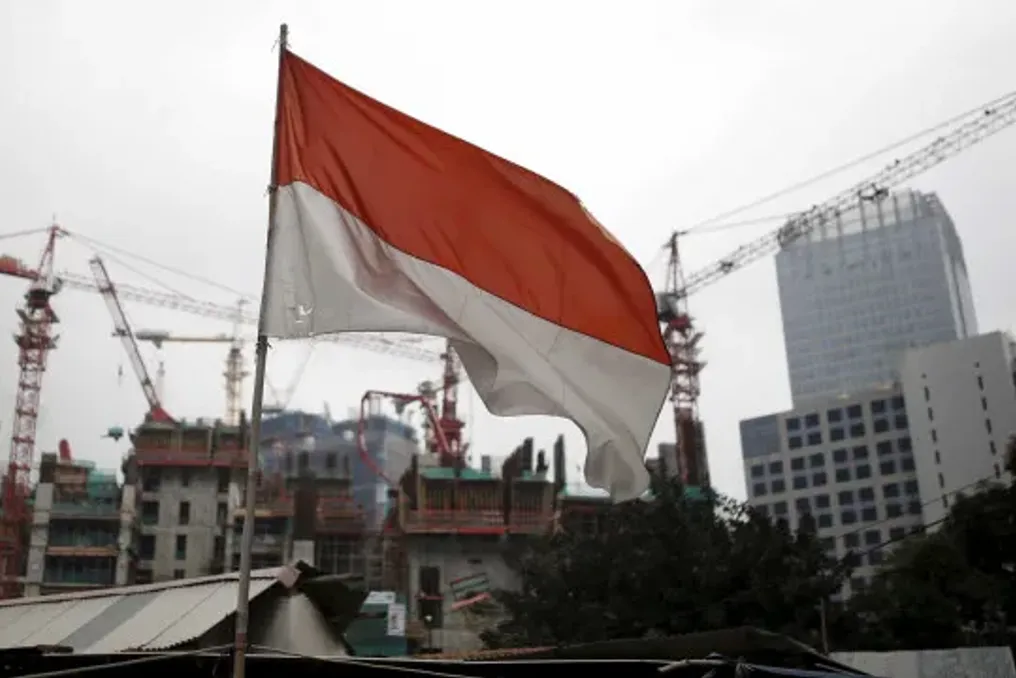
EU and Indonesia sign ambitious trade agreement set to enter into force in 2027
Read more
noticiasaominuto.com

EU and Indonesia sign ambitious trade agreement set to enter into force in 2027

The European Union (EU) and Indonesia signed a trade agreement in Brussels aimed at opening up markets for both sides. The agreement is expected to come into effect in early 2027.

On the signing ceremony were present Ursula von der Leyen, President of the European Commission, and Airlangga Hartarto, Minister of Economy of Indonesia. Ursula von der Leyen stated that this is one of the most ambitious agreements concluded by the EU in Asia.

According to Brussels, the agreement will allow EU exports to increase to Southeast Asia's largest economy by approximately 40% over the next fifteen years. Also present at the event were European Commissioner for Trade Maroš Šefčovič and Indonesian Trade Minister Budi Santoso.

Ursula von der Leyen emphasized that together they represent a market of 730 million people and thanked Indonesian President Prabowo Subianto, who, according to her, will visit Brussels on December 11.

Negotiations on this agreement concluded last year, nearly ten years after they began. This is part of the EU's broader policy aimed at diversifying trade, especially amid challenges from the US and China.

The Comprehensive Economic Partnership Agreement (CEPA) between Indonesia and the EU, as well as the Investment Protection Agreement (IPA), will open opportunities for investment in strategic sectors such as electric vehicles, electronics, and the pharmaceutical industry, according to information from Brussels.

According to the EU, this pact eliminates customs duties on over 98% of European exports to the country, which is the fourth most populous in the world. This applies to food, agricultural, and industrial goods and will save over 600 million euros annually in duties.

Airlangga noted that about 90% of Indonesian exports to the EU will be duty-free. He stressed that this will benefit key Indonesian export products to the EU, including palm oil, footwear, textiles, and fishery products.

He also stated that 'the benefits for our exporters are concrete and measurable,' welcoming a 'new chapter' in economic relations with the EU.

Since palm oil and deforestation were sticking points during negotiations, the agreement provides for cooperation mechanisms in regulation and sustainable development, as well as a special protocol dedicated to palm oil.

Brussels estimates that this agreement will stimulate economic growth: by 2042, the EU's GDP should exceed figures by 16 billion euros, and Indonesia's GDP by 27 billion euros compared to the scenario without this agreement.

However, the entry into force of the agreement requires approval from the European Parliament, as well as the completion of the ratification process by Indonesian authorities.

Popular