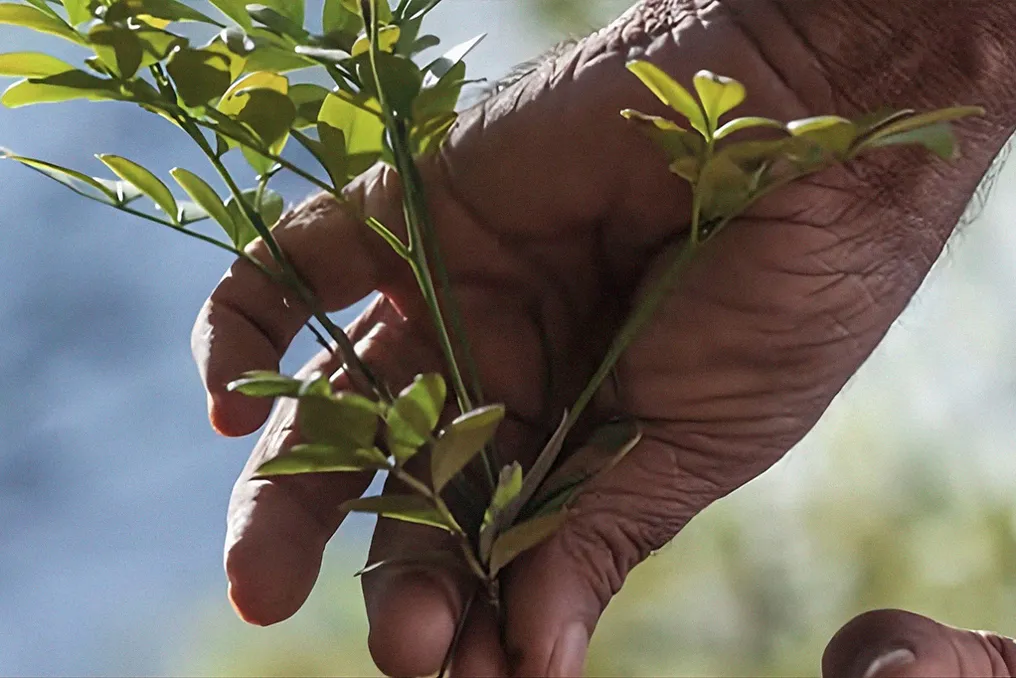
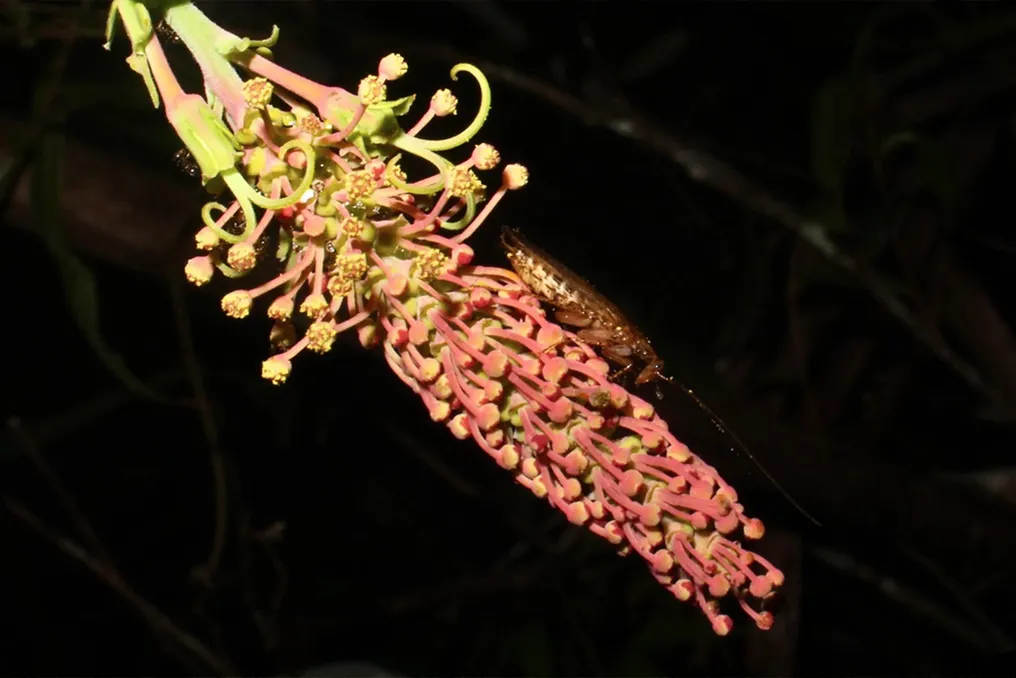
Brazilian research discovers that cockroaches act as nocturnal pollinators of the Mabea plant in the Amazon
Read more
Super Abril
super.abril.com.br

Brazilian research discovers that cockroaches act as nocturnal pollinators of the Mabea plant in the Amazon

The Amazon, recognized as the world's largest tropical forest, harbors over 40 thousand cataloged plant species, representing only a fraction of its vast biodiversity. Many of these species, even those known, still lack in-depth scientific studies, which includes plants belonging to the genus Mabea.

Among these, only two species of the genus Mabea had their flowering and pollination processes scientifically analyzed. Therefore, a new Brazilian investigation focused on studying the floral biology and reproduction of another species, Mabea uleana Pax & K. Hoffm. This variety is native to the state of Amazonas and thrives in sandy soils.

Scientists monitored the plant in its natural environment and made an unexpected discovery related to cockroaches. The findings were published in November in the scientific journal Brazilian Journal of Botany, resulting from collaboration between researchers from universities located in Amazonas, Minas Gerais, and Mato Grosso do Sul.

The plant exhibits traits similar to other species in the genus. In the late afternoon, around 5:45 PM, its male flowers begin to open, releasing an increasingly stronger odor. Furthermore, they secrete nectar, which accumulates and runs down the petals, serving as an attractant for various animals. These visitors transport pollen from the male structures to the female ones, enabling fertilization and, consequently, fruiting.

Regarding the two previously studied Mabea species, bats were considered the main pollinators. However, around 7 PM, they did not appear as predicted by the researchers. Instead, cockroaches were observed, seeking both nectar and pollen.

The cockroach visits persisted over several days, leading researchers to conclude that they are most likely the primary nocturnal pollinators of this species. This fact was unprecedented and considered unusual, given that wild cockroaches (distinct from urban pests) are rarely linked to the pollination process.

To feed, the cockroaches traverse various parts of the inflorescence, which has a cluster shape, measures between 4 and 6 centimeters, and hangs downwards. During this journey, they pass through the tiny male flowers, which disperse pollen along the structure, and also through the female flowers, located on the stem.

The research also demonstrated that the morphology and behavior of the cockroaches facilitate this function. When bending down to consume nectar, the insects rest their front legs on the male flowers and project their bodies forward. As a result, pollen adheres to the insects' head, thorax, antennae, and legs. Subsequently, when visiting the female flowers, they deposit these grains, potentially carrying them to other plants of the same species.

The team dedicated 252 hours of observation and recorded 18 interactions with different types of cockroaches. Additionally, experiments were conducted to verify whether the plant could produce fruit using its own pollen or if it depended on pollen from another individual. For this, the female flowers were divided into three groups: one received pollination with pollen from the same inflorescence; another used pollen from a different plant; and the third remained open to animal visitation.

The results showed that self-pollination succeeded in only 15.4% of cases, while cross-pollination resulted in fruit formation in 93.3% of the flowers. In the group exposed to animals, the rate reached 73.3%, indicating that cross-pollination between different plants, mediated by cockroaches, is crucial for reproduction.

Although other animals, such as bees, flies, and butterflies, also visited the plants, the cockroaches stood out due to the high frequency of their appearances.

Similar stories

After many years, the Ava tribe from the Amazon has appeared on the surface; they live in isolation
Read more
www.aajtak.in

After many years, the Ava tribe from the Amazon has appeared on the surface; they live in isolation

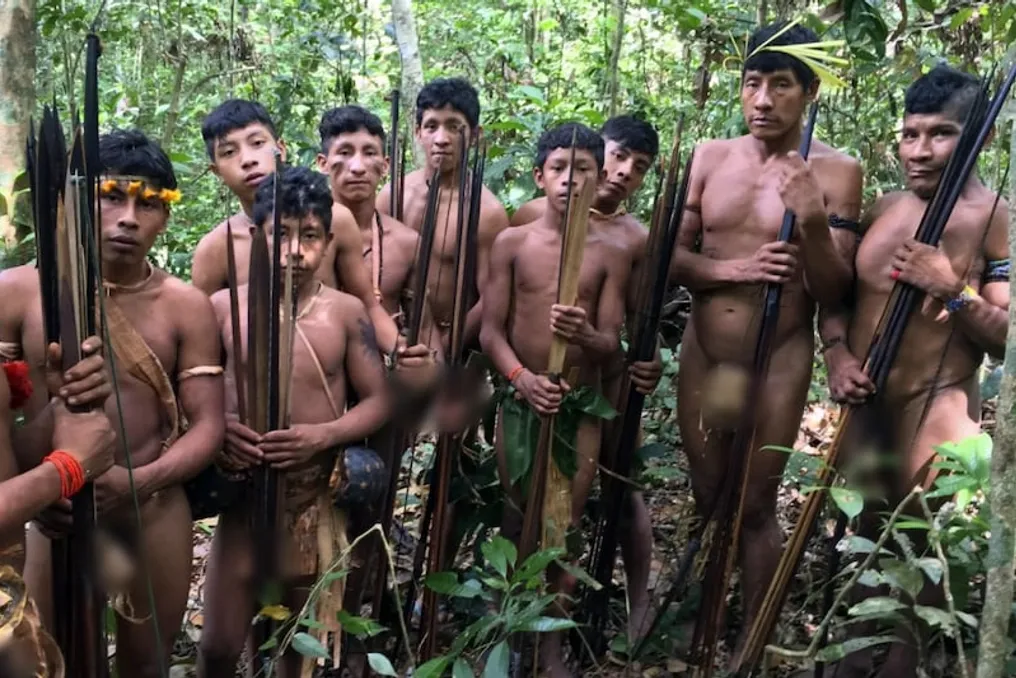
Approximately 20 members of the Ava community, which lives almost isolated from the outside world in the tropical forests of Brazil, suddenly emerged from the jungle on November 16. They headed to a government post and requested food. Photographs and videos of this Ava group, appearing after decades, caused a wide resonance.

These shots, taken in the Amazonian forests of Brazil, attracted worldwide attention. The photographs and videos show men, women, and children from the Ava community who have come out of the forest. Some men were seen with bows and long arrows. It is reported that the group of about 20 people reached the observation post and the village of Tavari within the Arariboia indigenous territory in the state of Maranhão, Brazil.

Some groups of the Ava community, who have appeared in public for the first time after decades, remain cut off from external society, meaning they have no regular contact with the outside world. They sustain their lives through hunting, fishing, and products gathered in the forest.

According to Survival International, this time the Ava group approached the government team and requested food. After receiving food, they returned to the forest. The organization called this contact an extremely rare event for the Ava people in recent decades.

One of the most interesting social features of Ava society is their marriage system. According to anthropological records, men and women in Ava/Guaja society can marry more than once in their lives. There is no mandatory or preferred system where one marriage must last a lifetime.

Furthermore, some anthropological studies have recorded cases where one woman had multiple husbands. This is called polyandry. This system does not apply to every member of the Ava community or every family. This is why the marriage customs of the Ava are considered very different and curious compared to other societies.

Another unique cultural belief documented regarding Ava society is related to the concept of multiple male contribution to child development. According to some studies, their traditional beliefs include the idea of multiple fatherhood. It is important to note that this does not mean the child has multiple biological fathers scientifically, but rather reflects their traditional cultural perception and social structure.

The Ava community also demonstrates an unusual connection with the forest animals. If a female monkey dies during a hunt, and her infant survives, the Ava family sometimes takes this infant in. Such a monkey infant is raised as a family member. Anthropological descriptions mention that Ava women care for monkey infants and even feed them breast milk. Thus, an orphaned animal infant found in the forest can become part of the family.

Ava people are also skilled at navigating the forest environment and recognizing animals by sound. Their traditional knowledge of hunting includes imitating animal calls. Hunters use various sounds to determine which animals are nearby. This knowledge is passed down from generation to generation. For them, the forest is not just a habitat; it is their food, path, home, and culture.

The main question of this situation is why they left the forest. Usually, the Ava avoid contact with outsiders. However, in recent years, there has been growing concern about the invasion of illegal loggers, hunters, and cattle ranchers into their forests. Human rights organizations believe that external pressure has affected their traditional territory, and perhaps this is why this group was forced to come out in search of food.

Nevertheless, authorities currently lack sufficient information to definitively establish the true reason for their departure. Some local residents have also expressed concern about the health condition of children and the elderly in the group.

Contact with the outside world is dangerous for isolated communities like the Ava. The risk of disease is very serious. The population of such communities previously had low contact with common infectious diseases from the outside world, so infection could lead to severe consequences.

Brazilian plant that causes sweating turns into medicine, highlighting conservation and usage challenges.
Read more
super.abril.com.br

Brazilian plant that causes sweating turns into medicine, highlighting conservation and usage challenges.

A full professor from the Department of Pharmaceutical Technology at the Federal University of Fluminense (UFF), who is also part of the National Institute of Science and Technology of Structural Biology and Bioimaging (INBEB), discusses the journey of a Brazilian plant that has the characteristic of causing sweating and eventually becomes a medicine.

In Tupi-Guarani, the term Jaborandi means something close to 'makes sweat/drool,' precisely describing the plant's effect. Chemically, the leaves of Pilocarpus microphyllus concentrate pilocarpine, an alkaloid belonging to the same chemical family as caffeine and morphine.

Indigenous peoples of the Amazon used jaborandi in rituals long before any laboratory could isolate this molecule. Currently, pilocarpine is a crucial component in the treatment of glaucoma, considered the leading cause of global blindness, and the plant is also incorporated into essential oils, hair lotions, and shampoos.

However, jaborandi is the largest known source of pilocarpine. This situation, aggravated by overexploitation and deforestation in its natural occurrence areas—notably in the North and Northeast of Brazil, specifically in the states of Pará, Maranhão, Piauí, and Ceará—has put the species at risk of extinction.

This cycle repeats: from traditional knowledge to registered medicine, and then to the ecological pressure exerted on the very plant that gave rise to the remedy.

Researchers from the Laboratory of Innovation in Chemistry and Pharmaceutical Technology and the Department of Agricultural Engineering and Environment at UFF recently published a review article on this subject in the journal Science Set.

The use of plants as medicine has been documented for about five thousand years, with records including twelve recipes developed from more than 250 different types of species. Today, it is known that much of these effects derives from alkaloids, flavonoids (phenolic compounds), terpenes, and other bioactive molecules, each group presenting distinct physiological actions.

A well-known example is white willow (Salix alba), used by Egyptians, Greeks, Romans, and Indians. Its anti-inflammatory, analgesic, and antipyretic properties were already mentioned in Hippocrates' texts, but the salicylic acid responsible for such effects was only isolated in the 19th century by German chemists, giving rise to aspirin through related studies.

Other species followed similar paths. Valerian, native to the forests of the Alps and Apennines, became a recommended extract for mild insomnia and anxiety. Ginger, originating from China, produced solid preparations effective against nausea and gastrointestinal spasms.

Ginkgo (Ginkgo biloba) presents a unique case: after being considered extinct in nature, it was rediscovered in a Chinese province and today symbolizes efforts in forest conservation.

Despite this, the industry opted for the synthetic route, evaluating the viability of large-scale production, the repeatability of chemical parameters, the reliability of quality control, and the low cost in standardizing vegetable extracts.

Ipecac (Carapichea ipecacuanha) illustrates another facet of this history. Originating in American tropical forests, it was used by indigenous peoples, and this knowledge was transmitted to Portuguese colonizers, who brought it to Europe, North America, and Asia. Its roots contain emetine and cephaeline, alkaloids with emetic (vomiting-inducing), expectorant, and amoebicidal action.

Starting in the 18th century, the extraction of ipecac for export purposes increased drastically. Wild stocks were depleted, bringing the species close to extinction. Currently, the plant is classified as vulnerable in the Red Book of Brazilian Flora. Predatory harvesting has been prohibited, and the commercialization of the root requires a license from Ibama.

The solution found was cultivation. Experimental production initiatives yielded positive results, although attempts in South and Southeast Asia failed. Given the value of the root to the pharmaceutical industry, methods of artificial cultivation and agroforestry systems emerged to ensure a constant supply.

In this model, forest cultivation sustains the income of small producers, who sell the roots to large corporations.

Cordia curassavica represents the opposite scenario. It was the first native Brazilian plant to generate an industrially produced phytotherapeutic in the country, Acheflan. This species of the Atlantic Forest, found along the entire coast, was traditionally used by Caiçara communities to treat tendinitis, muscle pain, and inflammation resulting from trauma, contusions, and sprains. Its anti-inflammatory action is linked to two substances in the essential oil: alpha-humulene and beta-caryophyllene.

Besides its medicinal benefit, Cordia curassavica has been indicated for agroecological planting, recovery of degraded areas, and legal cultivation in protected zones.

Jaborandi followed a similar path. Efforts to reverse the threat to the species showed positive results, including the creation of sustainable extraction cooperatives that promote the conservation of the plant and its natural habitats, generating income for local inhabitants.

When cultivation, harvesting, and processing are carried out responsibly, these practices generate jobs, protect the forest, and reduce the ecological footprint.

It is important to note the contrast: synthetic drugs can present environmental risks if manufactured or discarded improperly.

In fairs in the North Region, such as garrafadas, scent baths, and perfumes of Ver-o-Peso in Belém, there is a secular trade sustained by herbalists and gatherers. These holders of popular knowledge recommend oils and essences based on traditional knowledge of forest plants, being respected figures whose expertise is rooted in the tradition of the indigenous peoples of the Amazon.

This knowledge has also been incorporated into public policy. The Farmácias Vivas program, pioneering in social pharmaceutical assistance in Brazil and still active, maintains an archive of 139 certified species, distributing products derived from plants with proven therapeutic activity in the public health system.

In this context, in 2006, Brazil established the National Policy on Medicinal Plants and Phytotherapeutics.

However, sector data reveals a significant obstacle. Anvisa recognizes and authorizes 85 plant species and 236 formulations, most of which come from imported plants. One of the world's richest countries in biodiversity still depends largely on foreign species.

Given this, there are two pending challenges in Brazil. The first is to create a regulatory framework that harmonizes the interests of the entire production chain, from sustainable management and cultivation to research, manufacturing, distribution, and use. The second challenge is training, since knowledge about the appropriate management and cultivation environments of medicinal plants is still restricted among professionals and health programs.

The analyzed examples demonstrate that the knowledge of indigenous peoples and traditional communities about medicinal plants does not just result in medicines and health products; it provides vital information on how to manage these plants in balance with the environment and biodiversity.

Through sustainable cultivation and extraction, rural communities near these resources can act as intermediaries in the production chain, providing raw material and sharing their expertise in identifying and managing the species. In return, they gain socioeconomic development and improved quality of life.

This is where public policy can make an impact. By fostering the sustainable production, commercialization, and use of phytotherapeutics, the government can integrate, in a single arrangement, environmental preservation, support for indigenous and traditional communities, rational use of traditional medicine, and sustainable development.

However, this does not eliminate the need for basic research. It is essential to increase investment to accurately identify plants, discover new bioactive compounds, develop medicines, and guarantee the safety, efficacy, and quality of phytotherapeutics.

Protecting medicinal plants guarantees access to a higher quality of life for future generations; this transcends a mere environmental issue, constituting a human necessity.
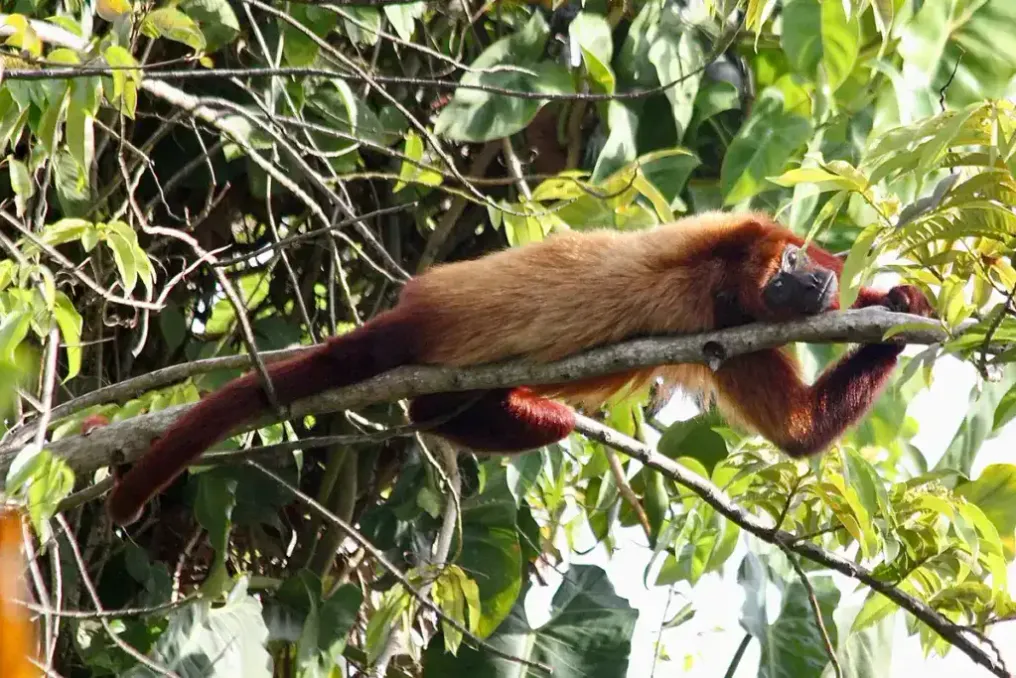
Scientists discover two new species of howler monkeys in the Amazon, the first such finding in 85 years
Read more
olhardigital.com.br

Scientists discover two new species of howler monkeys in the Amazon, the first such finding in 85 years

Scientists have identified two new species of howler monkeys in the Amazon, marking the first such discovery in the last 85 years. The study, published in the journal Communications Biology, was based on the first genomic analysis of the genus Alouatta.

The researchers emphasized that this discovery underscores the importance of conserving Brazil's threatened ecosystems. Howler monkeys, which are the loudest terrestrial animals on the planet, belong to primates of Central and South America, known for their loud calls and vocalizations that can be heard up to five kilometers away.

These sounds are used to deter rivals without physical confrontation, mark territory, and communicate. The work was led by Dr. Romina Batista and Professor Jean Bubli, who work at the University of Salford in the UK. The team collected genetic data from 86 animals from the genus's range, including samples from museum collections. Among these samples were fragments of dried skin from two preserved howler monkeys from the Bavarian State Zoological Collection in Munich, Germany.

Romina Batista stated in her announcement: 'Our research shows that the Amazon still holds remarkable biological secrets, even among well-known animals like howler monkeys.'

The genomic analysis confirmed biologists' suspicions about the need to revise the classification of howler monkeys. The researchers distinguished two species; they also found that A. puruensis is not a valid species as it corresponds to A. juara. However, the Trinidad howler monkey (A. insulanus) may represent an independent species rather than just a subspecies, although this hypothesis requires further confirmation through nuclear DNA analysis.

Gene analysis allowed for the reconstruction of part of the evolutionary history of the genus Alouatta. The results indicate that the genus likely originated in Mesoamerica and subsequently spread throughout South America. The first divergences between howler monkeys from the two regions occurred approximately 3.5 million years ago, coinciding with the formation of the Isthmus of Panama land bridge.

The evolution of these primates was also influenced by the region's geography. The formation of large rivers, such as the Amazon, disrupted gene flow between populations, allowing them to evolve independently. The appearance of savannas in parts of the Amazon basin also separated habitats of species such as A. nigerrima and A. sara.

For scientists, a deeper understanding of this genetic diversity can help determine conservation priorities. Deforestation, climate change, and habitat loss threaten Amazonian species even before they are fully studied or discovered by science.

Jean Bubli noted: 'We hope that these findings will help conservation organizations identify the most vulnerable populations and prioritize protection efforts across the entire Amazon basin.'

Popular