Uzbekistan aims to increase tungsten production to 1,700 tons by 2027
Read more
UzDaily
uzdaily.uz

Uzbekistan aims to increase tungsten production to 1,700 tons by 2027

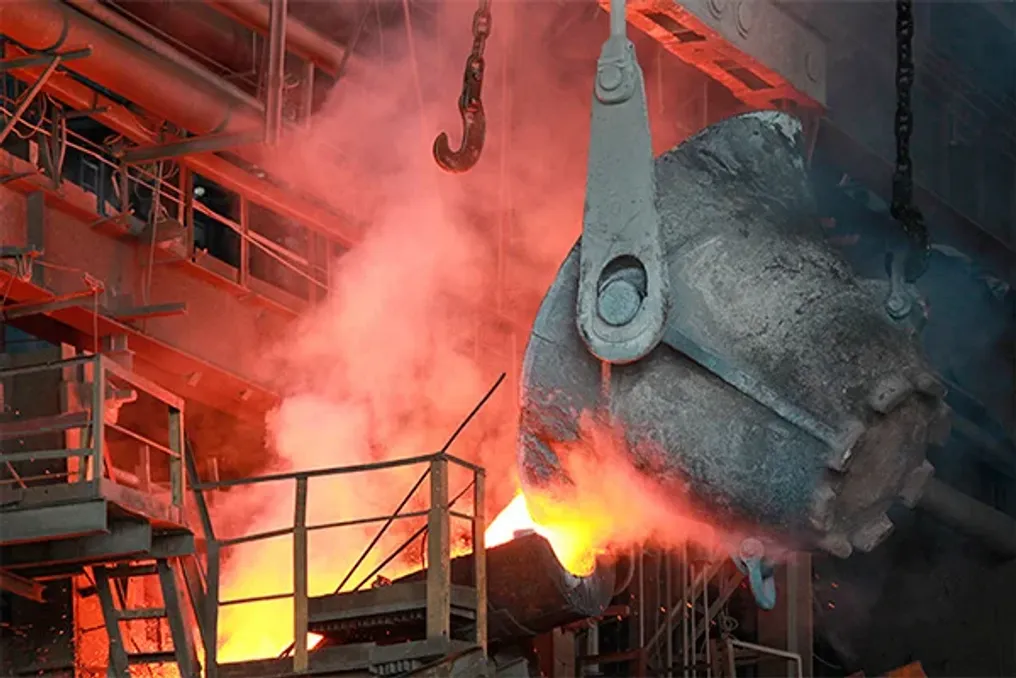
The Ministry of Economy and Finance of Uzbekistan announced plans to increase the production of tungsten products to 1,700 tons by 2027. This figure is 4.9 times higher than the projected volume for 2026.

According to the ministry, achieving this goal will be ensured by expanding production capacities, implementing new technological projects, and strengthening the raw material base, as the industry shows significant growth.

At the beginning of 2026, production was 53.4 tons, and by October it reached 230.9 tons. It is expected that by the end of the current year, the total production volume will reach 350 tons. The planned target for January–October was met at 163%, with output increasing 6.4 times compared to the same period in 2025.

The forecast for meeting the annual plan for 2026 is 193.7%, with an expected production growth of 6.6 times year-on-year.

Exports of tungsten products for January–October 2026 amounted to 123.6 tons worth 27.6 million US dollars. This is 5.3 times more than the same period in 2025 and 3.5 times higher than the target for January–October 2026. In 2025, exports reached 42.4 tons amounting to 3.1 million US dollars.

The ministry presented plans for expanding production capacities. It is expected that the capacity of the fine grinding plant will increase from 300 to 500 tons, and the hydrometallurgical workshop at the Rare Metals and Hard Alloys Plant in Chirchiq will be expanded from 750 to 2,500 tons.

Raw material supplies under the 'Red Persimmon' project are planned to increase from 650 tons in 2026 to 2,500 tons in 2027. The Sarykul tungsten mine in the Nurabad district of Samarkand region has a capacity of 2,200 tons of tungsten concentrate.

In addition, the plans include commissioning new enterprises specializing in the processing of tungsten concentrate: hydrometallurgical and pyrometallurgical plants.

policy

Similar stories

Uzbekistan plans to increase annual copper production to 500 thousand tons by 2030
Read more
uzdaily.uz

Uzbekistan plans to increase annual copper production to 500 thousand tons by 2030

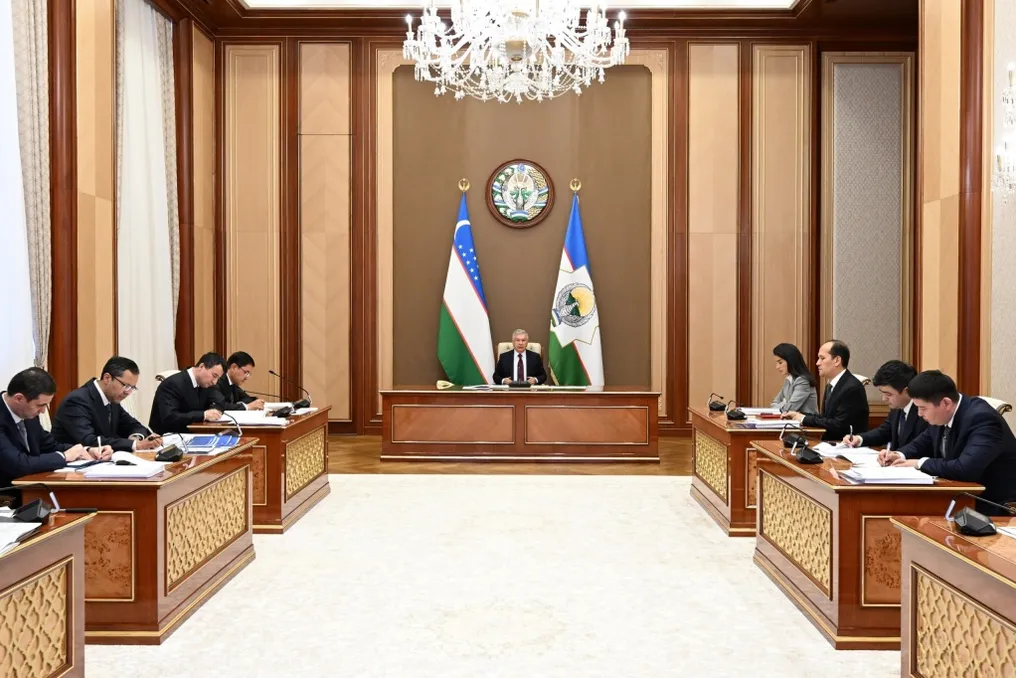
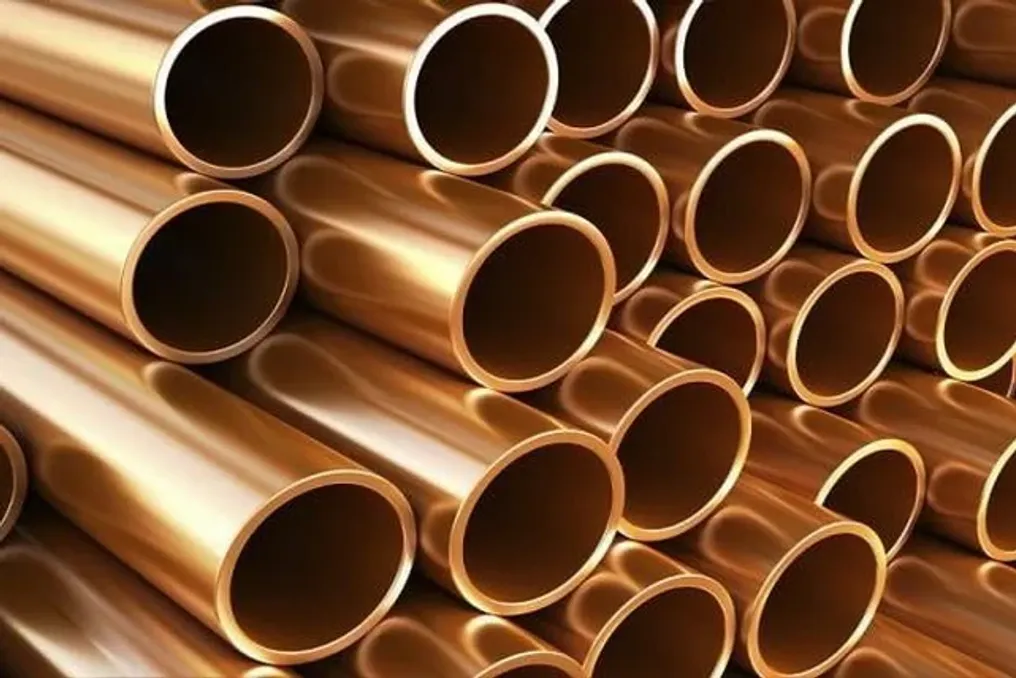
President of Uzbekistan Shavkat Mirziyoyev stated that the country intends to increase annual copper production to 500,000 tons by 2030 and expand domestic processing to create higher value-added products. These statements were made during a meeting with representatives of the electrical engineering industry and investors.

According to data presented at the meeting, the volume of production in Uzbekistan's electrical engineering industry has grown from 1.7 trillion soums in 2016 to 50 trillion soums in 2026. Attracted investments in the sector reached 600 million US dollars, and exports amounted to 1.6 billion US dollars.

Mirziyoyev emphasized that further development of the industry will require not only an increase in production capacity but also technological modernization. One of the main priorities is the creation of a complete industrial cycle covering the process of copper processing and the output of finished products.

To achieve this goal, Uzbekistan plans to intensify copper mining and processing. The President recalled that ten years ago, when the construction of copper concentrators in Almalyk began under his initiative, the world price of copper was $5,000–$6,000 per ton, whereas now it has reached $14,000 per ton.

Mirziyoyev stressed that the country should not limit itself to exporting copper as raw material; instead, it needs to generate greater income through deep processing and the production of competitive final goods.

The third copper concentrator was commissioned this year, the launch of which, according to the President, will allow copper production to increase to 300,000 tons. The next goal is to raise this figure to 500,000 tons by 2030. The President also noted that Uzbekistan possesses copper reserves of 47 million tons, which serve as the basis for long-term industry development.

Work is currently underway on projects for the fourth, fifth, and sixth copper concentrators. The President announced that Uzbekistan intends to implement projects totaling $450 billion jointly with partners over the next ten years.

He also highlighted the country's resources—copper and critical minerals, qualified young specialists, and experienced entrepreneurs. Mirziyoyev stated that the existing resource base will allow the industry to plan its development for the next twenty years.

During the meeting, the attraction of new technologies and the development of innovative solutions were discussed. The President noted that this requires combining the country's raw resources with investments and the capabilities of domestic enterprises.

It was noted that a decision on support measures for entrepreneurs in the electrical engineering industry was recently signed. During the meeting, participants were invited to present proposals for advancing the sector to a new stage of development.

Mirziyoyev emphasized that significant industrial transformation is impossible without changing production approaches. He insisted on the need to increase the number of enterprises producing value-added goods and reduce dependence on the export of unprocessed raw materials.

Furthermore, the President identified energy development as one of the key conditions for industrial growth. Uzbekistan plans to increase the share of green energy to 54% by 2030. Concluding his speech, Mirziyoyev called on industry representatives to take responsibility for domestic raw material processing and the production of competitive products.

Uzbekistan aims for GDP growth to $232 billion by 2027
Read more
podrobno.uz

Uzbekistan aims for GDP growth to $232 billion by 2027

President Shavkat Mirziyoyev held a meeting where the main directions of macroeconomic development and forecasts for Uzbekistan in 2027 were discussed. According to the presented calculations, the country's gross domestic product is expected to reach $232 billion in the specified year. Additionally, a goal was set to attract $65 billion in foreign investment.

At the meeting, it was noted that economic growth should be no less than 8 percent by the end of 2026. It is projected that the GDP will exceed the $200 billion mark, and per capita income will amount to $5,200. In the longer term, by 2030, the goal is to raise the GDP to $300 billion and increase per capita income to $10,000 over the next decade.

New Model of Economic Development

To maintain stable economic growth at a level of no less than 7 percent annually starting from 2027, a transition to a new development paradigm is planned. This model involves an emphasis on creating high value-added products, increasing labor efficiency, expanding export potential, and increasing the number of high-paying jobs.

The foundation of this new economic strategy must be an updated industrial policy. It includes attracting advanced technologies, integrating local enterprises into global production chains, and diversifying exports. Special attention is paid to developing a strategy for accelerated development in sectors such as chemical and petrochemical industries, mechanical engineering, electrical engineering, textile, and pharmaceutical industries.

In 2027, it is planned to attract at least two or three major international partners and companies with well-known brands to each promising industry. The creation of modern industrial zones, deepening production localization, and improving the technological level of enterprises are also provided for. Significant attention will be paid to developing new areas, including biotechnology, robotics, semiconductor technologies, as well as the production of batteries and high-tech components for electric vehicles.

To achieve these goals, it is planned to introduce additional mechanisms to attract global brands, support research and development activities, and develop competitive domestic producers. Among other priorities are the transformation of state banks and enterprises, accelerating the privatization process, modernizing transport and energy infrastructure, developing human capital, and completing Uzbekistan's accession to the World Trade Organization.

According to forecasts, Uzbekistan's exports, excluding gold, should approach $40 billion in 2027. It is planned to reduce the inflation rate to 6 percent in 2027, and then to 5 percent during the 2028-2029 period. Responsible parties have been instructed to prepare detailed plans for attracting $65 billion in foreign investment next year, with a clear distribution across regions and industries.

Uzbekistan to launch 164 industrial projects worth $11.6 billion over three years
Read more
podrobno.uz

Uzbekistan to launch 164 industrial projects worth $11.6 billion over three years

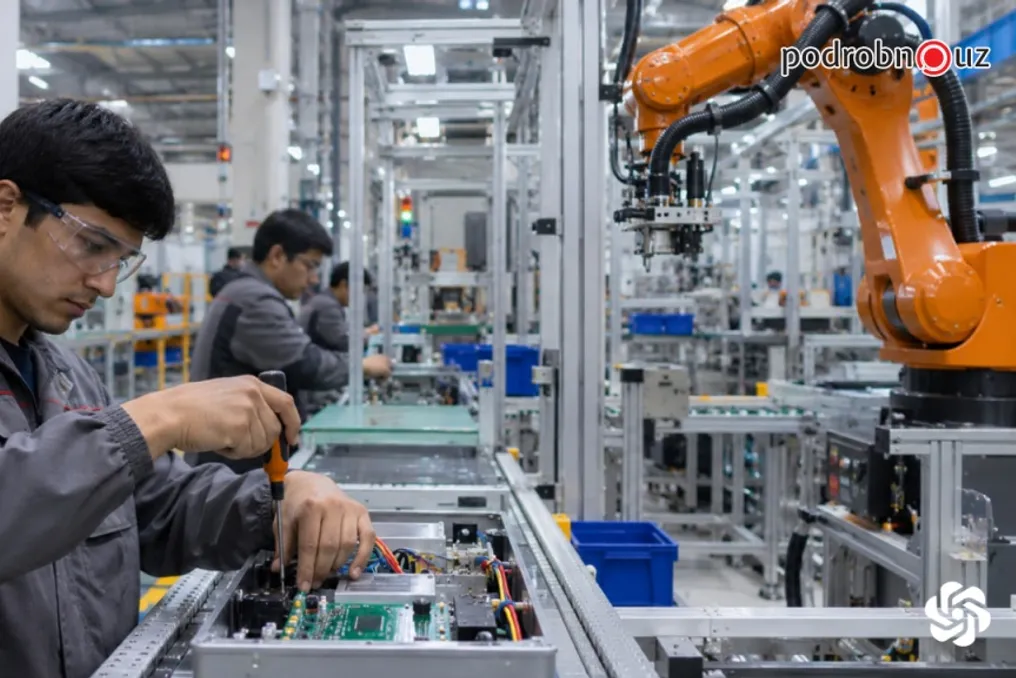
Uzbekistan plans to implement 164 industrial projects over the next three years. The total value of these projects, which cover electrical engineering and related sectors, amounts to $11.6 billion. The main focus of development will be placed on six key areas, including robotics, microelectronics, production of electric vehicle and home appliance equipment.

These plans were presented at a meeting held on November 9th, attended by President Shavkat Mirziyoyev, as well as representatives of the business community and investors. The projects are distributed across various industries:

  • Cable industry — 41 projects worth $2.5 billion.
  • Production of transformers and pumps — 29 projects worth $1.4 billion.
  • Industrial robotics and equipment manufacturing — 45 projects worth $3 billion.
  • Electrical products for transport and electric vehicles — 9 projects worth $650 million.
  • Electronic components and microelectronics — 21 projects worth $3.5 billion.
  • Home appliances — 19 projects worth $600 million.

Responsible managers and main clients have been appointed to ensure the implementation of these directions. Their task is to attract major investors and establish cooperation with technical universities and scientific centers to accelerate the market introduction of new developments.

Focus on Robotics and Infrastructure Development

Special attention is being paid to the development of robotics. Microprocessor module production is already underway in the Akhangaran Technopark, and a project to produce robots is starting in Tashkent in collaboration with South Korean partners. Furthermore, many enterprises have appeared in the country that deal with the production of technological equipment for the textile, metalworking, construction, and other sectors.

To further promote these industries, a Center for Future Technologies will be established in Nurafshan. Residents of this center will be granted benefits similar to those enjoyed by participants of the IT Park. Raw materials and components necessary for the production of electronics, robots, and technological equipment will be exempt from import duties, and income from scientific discoveries in these fields will be tax-exempt.

A national platform called "Yangi sanoat" ("New Industry") will also be launched in Uzbekistan. This platform will serve as a link between researchers, developers, and industrial enterprises, promoting faster innovation adoption in production.

The President instructed that a testing site for new products be organized in every region by May 1st, utilizing the base of research centers or technoparks. These sites should help strengthen ties between small producers, large companies, and scientific institutions.

Responsible agencies have been ordered to prepare a draft resolution regarding robotics development within two weeks, and to develop a comprehensive program to support electronics and technological equipment production by March 1st.

Example of Successful Cooperation

During the meeting, an example of the work of the enterprise "NURA Electric," which focuses on engineering design and dual education systems, was reviewed. At this enterprise, about one hundred design engineers and technologists use their own developments in the production process. Additionally, another 50 students combine studies with paid work, gaining practical experience directly in production.

The President emphasized the critical importance of having qualified engineers, designers, and researchers for creating high-tech products. Currently, 20 students from technical universities and scientific staff are undergoing internships at electronics enterprises in South Korea, and this figure is planned to be increased to one hundred people soon.

It should be noted that joint productions with South Korea have previously been launched in Uzbekistan, including a factory for producing robots and their components.
Popular