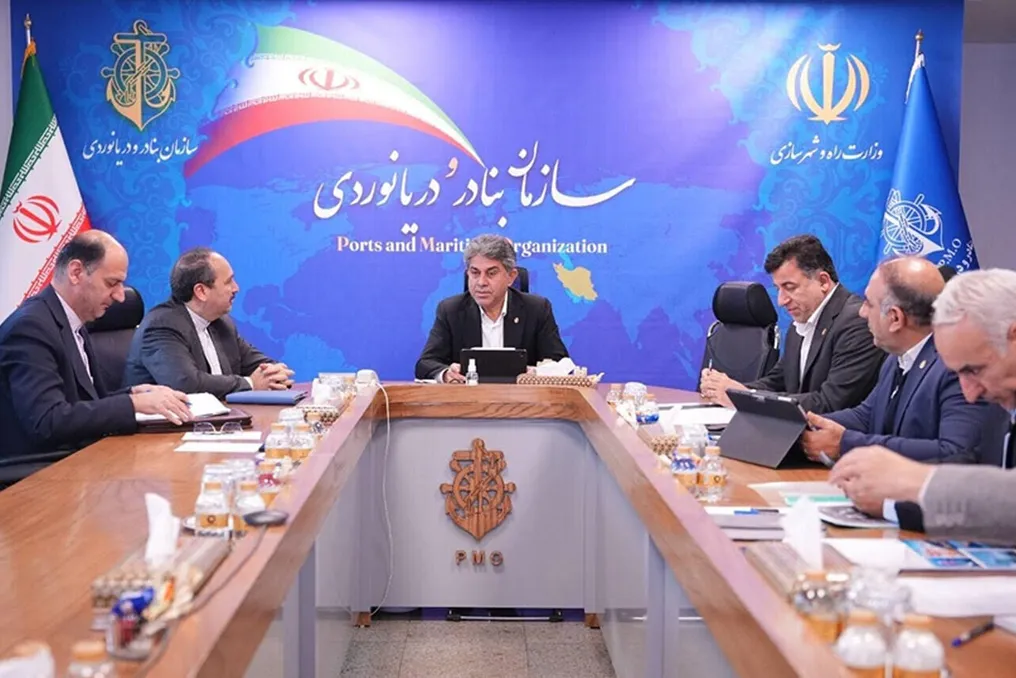
The Deputy Minister of Transport and Urban Development, as well as the CEO of the Port and Maritime Organization, emphasized the need to advance cooperation in the fields of ports and maritime affairs. The goal of these efforts is to establish a joint maritime committee, utilize educational and technological potential, and facilitate joint investments to enhance Iran's international standing in maritime transport.
According to an IRNA report relaying information from the Port and Maritime Organization, Mohammad Shakibi-Nasab, during meetings with representatives of the diplomatic structure of the Islamic Republic of Iran abroad, discussed with Abolfazl Abdoli and Mohsen Shamsi-Zadeh Ravandi—new Iranian ambassadors in Malaysia and Cyprus—solutions to improve interaction in the port and maritime sector. Discussions covered strengthening trade and transport partnerships, leveraging international experience for the development of the country's maritime economy, and adopting common positions in international organizations, including the International Maritime Organization (IMO).
During these meetings, emphasis was placed on the importance of maritime transport for the country's trade and the role of ports in developing economic ties. The urgent need to strengthen maritime diplomacy, identify opportunities for cooperation with target states, and utilize the resources of the Islamic Republic of Iran's foreign missions to facilitate specialized, commercial, and investment contacts was noted.
One key point of the negotiations was the proposal to create a joint maritime and port committee with Malaysia and Cyprus. This committee would be responsible for defining potential, setting cooperation directions, and overseeing specialized issues in the maritime and port spheres. The first step proposed for developing this cooperation was holding joint specialized events, including virtual meetings, which would allow for consideration of parties' expectations and lay the groundwork for permanent interaction and the development of common plans.
Furthermore, discussions addressed the development of educational and technological partnerships with Malaysia and Cyprus, particularly in areas such as port management, maritime transport, engineering, and modern technologies. Given the existing capabilities of both countries' ports, special attention was paid to applying international experience in port management and operation, exchanging highly specialized knowledge, conducting scientific and educational conferences, and creating conditions for visits and knowledge transfer.
Another important topic was joint investment and creating prerequisites for a more active participation of Iran's private sector in global port and maritime transport markets. The development of trade and transport cooperation between the Islamic Republic of Iran, Malaysia, and Cyprus using the capacities of both countries' ports was also discussed, along with reviewing and updating existing agreements and memoranda of understanding.
The issue of redefining the roles of various participants in the North-South Corridor was also raised, with a particular focus on the role of the Islamic Republic of Iran in facilitating this process. This was done to create new prospects for cooperation in international trade and transport. Overall, all these negotiations were conducted with the aim of strengthening maritime diplomacy, expanding international interaction, removing obstacles to port and maritime cooperation, utilizing educational and technological potential, and establishing new foundations for investment and the development of maritime trade.