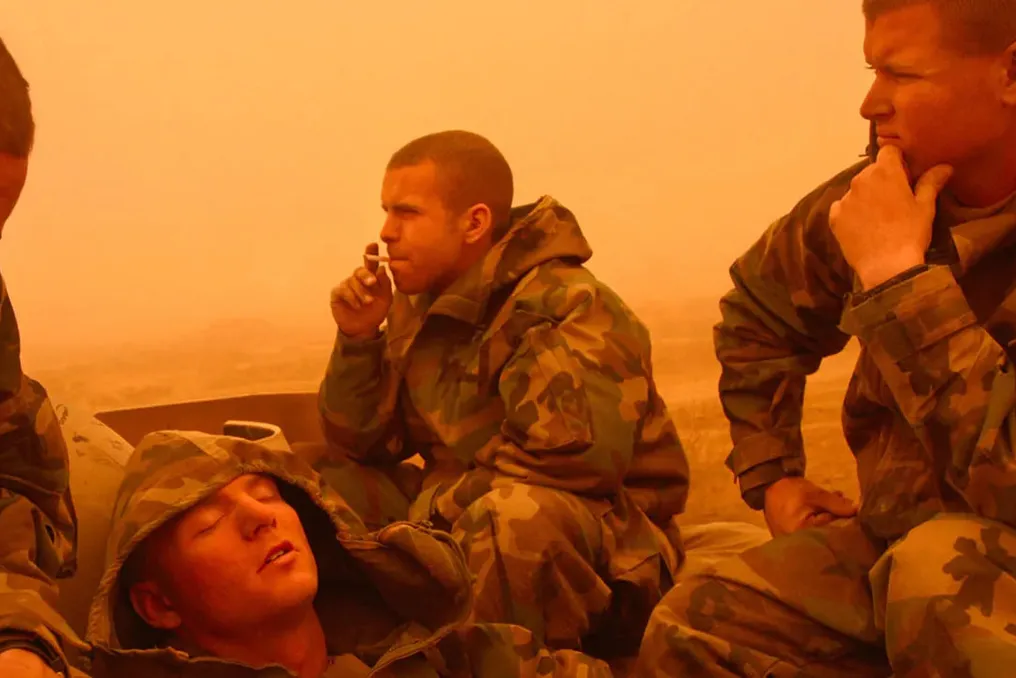
According to a report by the Israeli newspaper Haaretz, twenty-three Israeli soldiers died by suicide in 2026, marking the highest annual figure recorded by the army in the last 16 years.
The newspaper reported that of these deceased, seventeen served in regular or reserve forces during the war in Gaza but committed suicide in the current year after completing active service. Additionally, the statistics included five police officers who took their own lives in 2026.
These figures indicate a continuing rise in suicides within Israel's security apparatus since the start of the genocidal war in Gaza in October 2023.
Haaretz noted that in the decade before the war began, the Israeli army recorded an average of 12 suicides annually. Army data showed that seven service members died by suicide between October 7 and the end of 2023; this figure rose to 21 in 2024 and 22 in 2025.
However, the newspaper emphasized that the official army statistics provide only a partial picture, as they do not account for suicides among soldiers who have left active duty. Last year, military sources reported identifying 15 such cases since 2023.
An officer from the army's Human Resources Directorate told Haaretz: 'It is possible that the figure of 15 cases was underestimated. But even if we missed several cases in previous years, it is impossible to deny that there is an increase.'
Yossi Levi-Belz, head of the Center for Suicide and Mental Suffering Research at the University of Haifa, warned that soldiers, especially reservists serving in 2026 and beyond, belong to a 'risk group.'
He stated that 'the coming years are critical, possibly even dramatic, in terms of suicide rates.'
According to the army, of the 17 former soldiers who died by suicide this year, it was determined that 10 cases were likely related to military service, while one case is under review.
The genocidal war of Israel in Gaza, which began in October 2023, has resulted in the deaths of over 74,000 Palestinians and injuries to more than 176,000 people, most of whom are women and children, as well as the destruction of about 90% of the enclave's infrastructure.
Furthermore, the Israeli army has been involved in two wars against Iran since 2025, conducted strikes on Lebanon, Yemen, and Qatar, and carried out near-daily ground incursions and artillery bombardments in Syria.
For decades, Israel has occupied Palestinian territories, as well as parts of Lebanon and Syria, refusing to withdraw troops or allow for the establishment of an independent Palestinian state, as stipulated by relevant UN resolutions.
The psychological burden of prolonged war
Mental health experts cite combat psychological trauma, particularly Post-Traumatic Stress Disorder (PTSD), as one of the main causes of suicides among military personnel. Prolonged deployments, constant exposure to death and violence, and the loss of comrades can exacerbate psychological stress.
Israeli soldiers have undergone long and repeated deployments in Gaza and Lebanon, subjecting them to intense combat, threats to life, serious injuries, and horrific scenes of violence.
According to a Reuters report from January 2026, Israeli military personnel reported an almost 40% increase in PTSD cases among soldiers since September 2023.
Military data shows that 60% of the 22,300 service members receiving treatment for war-related injuries experienced post-traumatic symptoms.
Another important psychological factor is what experts call moral injury. Some soldiers may experience deep feelings of guilt, shame, or psychological distress due to actions they committed, witnessed, or were unable to prevent, including the killing or wounding of civilians.
Such feelings can contribute to the development of depression, social isolation, and suicidal thoughts. However, it is incorrect to assume that guilt over civilian deaths is the primary cause in every case. The link between moral injury and suicide is complex, and multiple factors may be involved.
A similar rise in military suicides has been observed in the United States during the wars in Iraq and Afghanistan, particularly among active-duty military personnel. This increase became particularly noticeable starting in the mid-2000s.
According to reports from the Congressional Research Service and Department of Defense statistics, the suicide rate in the US military was approximately nine deaths per 100,000 soldiers in 2001. By 2008, this rate among all US armed forces had risen to approximately 16 per 100,000.
This upward trend continued in subsequent years. In 2012, the overall suicide rate among active-duty US military personnel reached 22.7 per 100,000, while the rate in the Army rose to 29.7 per 100,000.