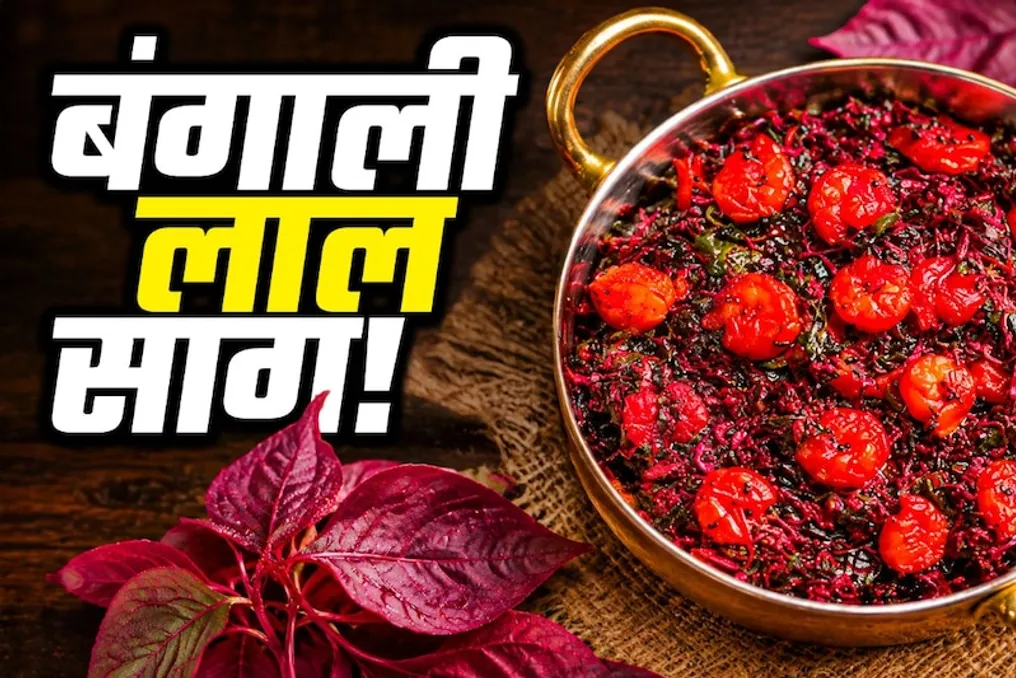
Recipe for Bengali Red Saag with Shrimp, Prepared with Garlic and Kalonji
Read more
Aaj Tak
www.aajtak.in

Recipe for Bengali Red Saag with Shrimp, Prepared with Garlic and Kalonji

If you are tired of monotonous vegetable dishes for lunch or dinner, try making the famous Bengali dish—red saag with shrimp, which is especially popular during the winter period. This traditional dish is valued in both Bengal and Bangladesh.

The main ingredients of the dish are red saag and small shrimp. Aromatic tempering made from mustard oil, garlic, and kalonji gives it a special flavor. It is worth noting that this dish does not require a large amount of spices. Its taste becomes even richer when served with hot white rice.

Red Saag with Shrimp Recipe

To begin, you need to prepare the ingredients. First, separate the roots and tough stems of the red saag. Then, wash the leaves thoroughly in clean water two or three times to remove all dirt, after which the saag is cut into large pieces. The shrimp are peeled and their veins removed, then lightly seasoned with salt and turmeric, and left for some time.

Next, prepare the aromatic base. Heat mustard oil in a pot, add kalonji and dried red pepper. After that, fry the finely chopped garlic until light golden brown. If desired, onions can be added at this stage and cooked until soft.

After that, add the shrimp to the pot and fry over medium heat for several minutes. As soon as the shrimp turn pink, they can be considered ready. It is important not to overcook them, otherwise, they may become tough.

Then, add the chopped red saag to the dish. Add salt to taste, a little turmeric, and green pepper, mixing thoroughly. After the saag cooks, it reduces in volume and releases moisture. The dish is simmered over medium heat until the saag becomes tender and excess liquid evaporates completely.

Serving the dish: When the saag and shrimp are fully cooked, turn off the stove. To enhance the flavor, a little grated coconut can be mixed in. The finished Bengali red saag with shrimp is served with hot white rice; its light spicy taste with mustard oil makes the meal even more enjoyable.
Similar stories

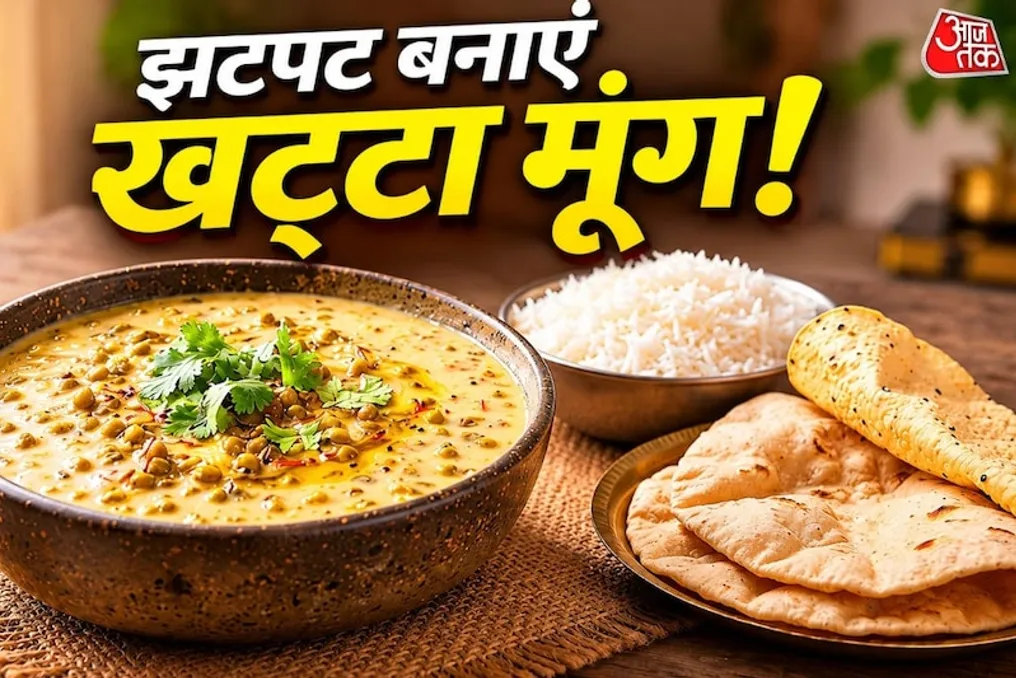
Gujarati Sour Moong Recipe: Preparation with Besan Tea Addition
Read more
www.aajtak.in

Gujarati Sour Moong Recipe: Preparation with Besan Tea Addition

If you are tired of daily consumption of arhar, moong, and masoor lentils, you can try a traditional dish from Gujarat—Gujarati Khatta Moong, also known as Khatta Mag. This dish is characterized by a sour, slightly spicy, and aromatic taste. The preparation does not require expensive ingredients; it is easy to make at home using whole green moong, yogurt, and besan.

In Gujarat, Khatta Moong is traditionally served with rice, flatbreads, and papad. The tanginess of the yogurt combined with aromatic spices gives the dish a unique flavor. If you want to add a new taste to your everyday lentil diet, check out this simple way to prepare it.

Ingredients for Gujarati Khatta Moong

First, you need to boil the moong. One cup of whole green moong should be thoroughly washed and soaked in water for 3-4 hours. Then, in a multi-cooker, drain the moong, add water as needed, a little salt, and a pinch of turmeric. Cook until 3-4 whistles appear, ensuring the moong becomes soft but not completely mushy.

Next, prepare the sour yogurt mixture. In a bowl, mix sour yogurt and one teaspoon of besan. Add turmeric, red chili, and a little water, then whisk the mixture thoroughly until smooth, ensuring no lumps remain. This mixture will give Khatta Mag its characteristic taste and thickness.

The next step is preparing the aromatic tempering. Heat oil or ghee in a pan. Add rai seeds and cumin seeds, allowing them to sizzle. Then add hing, curry leaves, and ginger and green chili paste. Sauté all ingredients for a few seconds to release the aroma of the spices.

After this, gradually pour the yogurt-besan mixture into the pan. It must be stirred constantly and cooked over low or medium heat. It is important that the heat is not high when adding the yogurt, otherwise, it may curdle.

When the yogurt mixture is well cooked, add the boiled moong. Add salt to taste and, if necessary, a little water. The dish simmers on low heat for 4-5 minutes so that the moong fully absorbs the flavor of the spices and yogurt.

The finishing touch is garnishing with freshly chopped coriander. Your Gujarati Khatta Mag is ready. It is served hot with rice, flatbreads, or crispy papads.

Important Points When Preparing Khatta Moong

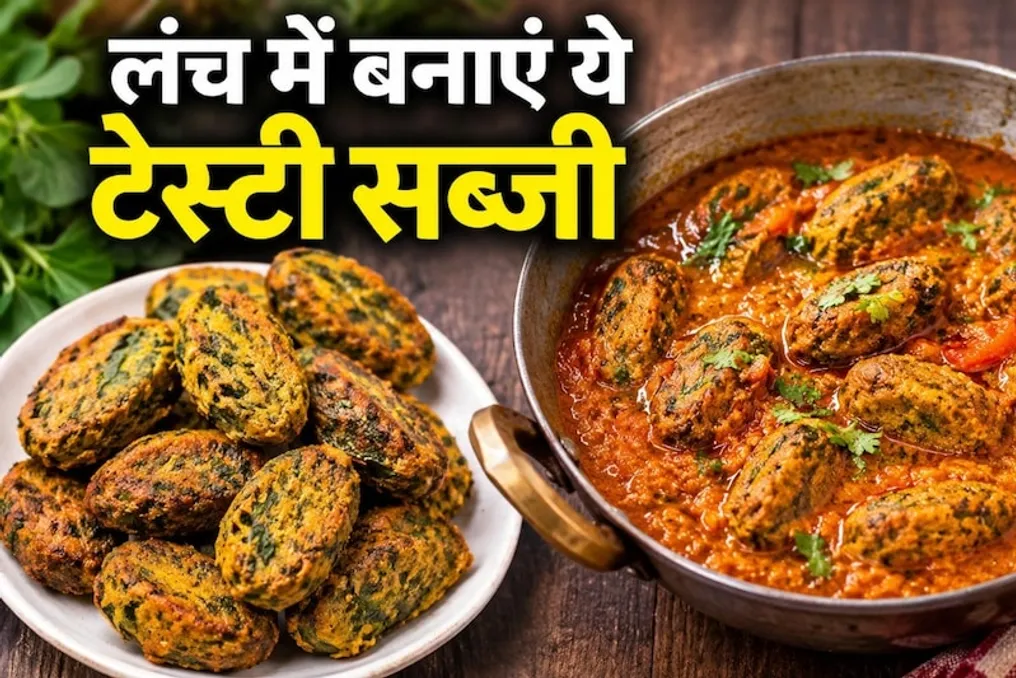
Recipe for Crispy and Spicy Muthi made from Chickpea Flour, served with Bread or Rice
Read more
www.aajtak.in

Recipe for Crispy and Spicy Muthi made from Chickpea Flour, served with Bread or Rice

If you are tired of eating dal or vegetable dishes every day, we suggest a recipe for delicious muthi made from chickpea flour, which is very easy to prepare and has an excellent taste. A distinctive feature of this dish is that it can be used not only as a side dish for vegetables but also enjoyed as a dry snack during tea time.

People often get bored with a monotonous diet consisting of dal, rice, and simple vegetables. In such cases, muthi made from chickpea flour is an ideal option because it turns out very tasty and spicy, while being quick to prepare and requiring minimal oil. This popular traditional snack from Gujarat is not only light and easily digestible for the stomach but also extremely simple to make. It can be served for breakfast, with evening tea, or instead of a main vegetable dish.

Below is a simple way to prepare soft and spicy muthi using just one cup of chickpea flour.

For the muthi dough:

Chickpea flour (Besan): 1 cup

Freshly chopped mint or dried mint (Kasuri Methi): half a cup (optional)

Yogurt: 2 tablespoons

Oil (for greasing): 1 tablespoon

Ginger and green chili paste: 1 teaspoon

Ajwain, cardamom, and white cumin: half a teaspoon each

Turmeric, red chili, and coriander powder: half a teaspoon each

Baking powder (sweet soda): a pinch

Salt to taste

For tempering (Tadka):

Oil: 1-2 tablespoons

Rai (mustard seeds) and white cumin: 1 teaspoon each

Hing (asafoetida): a pinch

Curry leaves: 8-10

Finely chopped green coriander and grated fresh coconut

Take a large bowl and pour in one cup of chickpea flour. Add the chopped mint, yogurt, 1 teaspoon of oil, ginger and chili paste, ajwain, cumin, all dry spices, baking powder, and salt. Mix, adding a little water (if necessary, 1-2 teaspoons) to form a soft dough (dough).

Grease your hands with a little oil and form long rolls (muthi), squeezing the dough in your fist. Heat water in a steamer or pot. Grease the sieve with oil and place the formed rolls on it. Steam covered for 12-15 minutes.

After the muthi cools down, cut them into round pieces using a knife. Heat 2 tablespoons of oil in a pan. Fry the rai, white cumin, hing, and curry leaves in it until fragrant. Then add the cut muthi and fry on low heat for 2-3 minutes until slightly crispy. Sprinkle with finely chopped green coriander and grated coconut on top.

The finished hot, soft, and spicy muthi is ready. It can be served with green chutney or tea.

Corn Flour Ghee Baati Recipe with Masala for Winter Season
Read more
www.aajtak.in

Corn Flour Ghee Baati Recipe with Masala for Winter Season

In cold weather, people often prepare mustard saag and corn flour flatbreads. Corn flour dishes are particularly popular in winter and are enjoyed greatly. However, perhaps you have never tried Rajasthani ghee baati made from corn flour?

Rajasthani ghee baati has a delightful taste: it is crispy on the outside and soft inside. It is filled with a spicy potato and peas masala, which further enhances its flavor. This dish can be served with dal or garlic sauce. Notably, preparing this dish does not require much effort or expensive ingredients; it can be quickly made with spices available at home. Below is a simple recipe for making corn flour ghee baati at home.

Rajasthani Corn Flour Ghee Baati Recipe:

For preparing the dough:

For making the potato and pea masala:

How to cook corn flour ghee baati

First, knead the dough: take corn flour in a large bowl, add salt, coarsely ground whole coriander, cumin, cardamom, dried mint, green chili, asafoetida, papard har, green peas, and ghee. Then gradually add a little water and knead the dough well. Knead it for some time and set it aside.

Making the potato and pea masala: Heat oil in a pot. Add asafoetida and cumin. Then stir in green peas, boiled potatoes, green chili, coriander powder, turmeric, red chili powder, and salt. Mix well and cook for 2-3 minutes. Finally, add the green peas and cook the masala.

Filling the baati with masala: Form small balls from the kneaded dough. Press them with your hands to give them a cup shape. Place the prepared potato and pea filling in the center, then seal the dough around all sides, forming a round baati.

Cooking the baati: First, steam the ready baatis for 10 minutes. After that, fry them in a pan or heavy-bottomed vessel over low heat for 15-20 minutes. Turn the baatis occasionally so they cook evenly on all sides.

How to serve masala ghee baati: When the baati is nicely browned on the outside, drizzle melted ghee over it and serve hot. They can be eaten with dal, green sauce, or garlic sauce.

Important tip: Corn flour is gluten-free, so it is very important to knead the dough thoroughly during preparation. If the dough seems dry, add a little warm water to facilitate the baati preparation process.

Popular