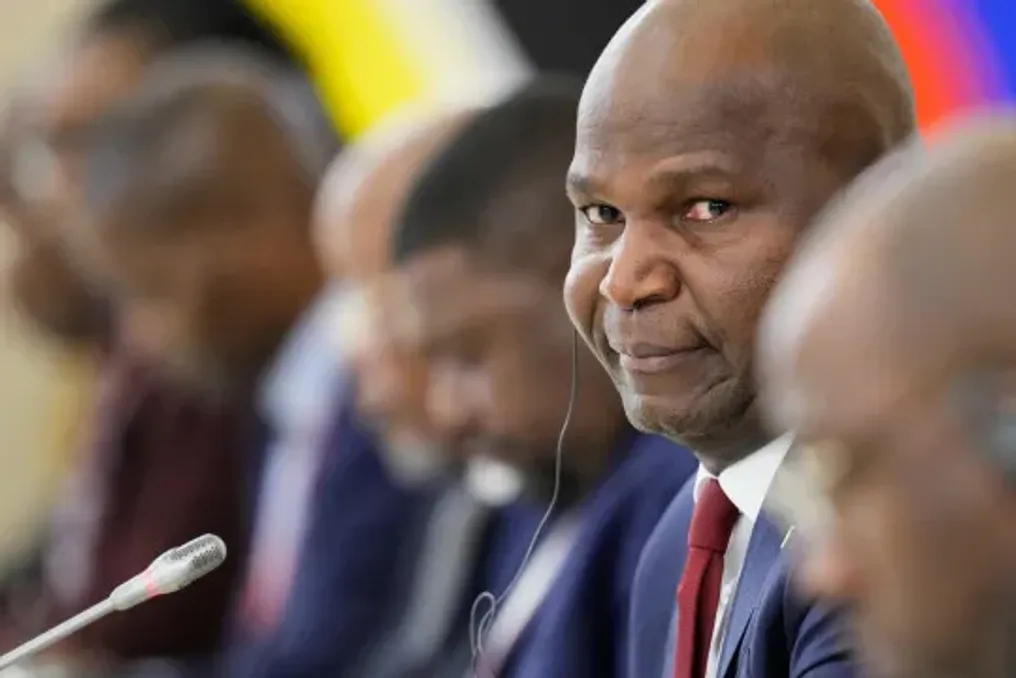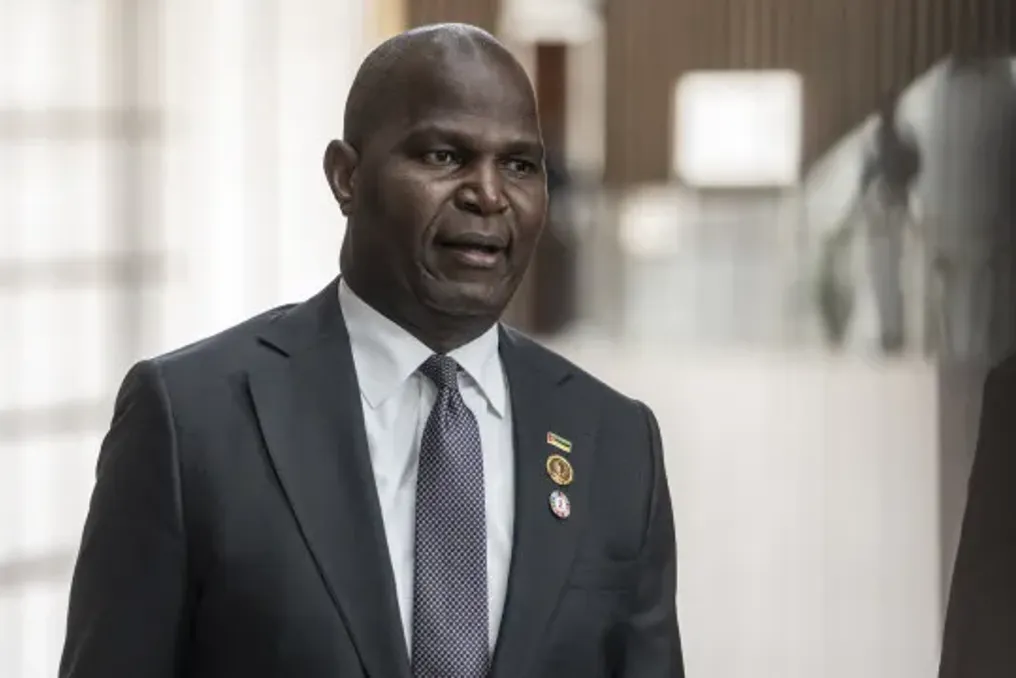
The President of Mozambique has called on the central bank to accelerate currency market reforms and strengthen supervision over foreign currency transactions to improve access to it and combat speculative practices, in response to complaints about shortages.
These directives were conveyed by Daniel Chapo during his visit to the Bank of Mozambique, where he expressed concern over the difficulties companies face in obtaining foreign currency for importing raw materials, equipment, and other goods necessary for national production.
In the President's view, state bodies must continue to monitor the currency market in light of reports of potential speculative activities involving financial intermediaries and operations conducted in commercial banks' trading floors. He stated that currency scarcity should not become an opportunity for abuse through speculation or illicit enrichment of certain market participants.
Among other recommendations given to the central bank, Daniel Chapo advocated for accelerating reforms aimed at improving the functioning of the national currency market. This includes launching an Electronic Currency Trading Platform and a Central Monitoring of Overseas Card Usage.
He also insisted on strengthening supervision and control over currency operations carried out by commercial banks and other financial intermediaries. The President advised that any violations must continue to be investigated, and if proven, the Central Bank, as the regulator, must act decisively using available legal instruments to discipline the market.
During his visit, Daniel Chapo noted the successes of the Bank of Mozambique in modernizing payment systems, emphasizing the compatibility between commercial banks and electronic currency institutions, as well as the progress made within the Mozambique Electronic Interbank Exchange (METIX) system.
The head of state also highlighted the need to create a special mandatory reserve regime designed to stimulate financing for import substitution and promote exports. He mentioned efforts that led to Mozambique's removal from the Financial Action Task Force (FATF) grey list in October 2025.
He supported accelerating the plan to acquire domestically produced gold to strengthen and diversify the country's international reserves, considering this measure vital for enhancing the Mozambican economy's ability to respond to external shocks.
In the area of financial inclusion, the President advocated for reducing transaction costs, expanding financial services in rural areas, and deepening the digitalization of the national financial system. He noted that the simpler it is to open bank accounts, the more Mozambicans can participate in the national financial system.
Daniel Chapo also provided recommendations for capital market development, calling for a review of the Securities Market Code, digitalization of exchange services, and increased financial literacy to mobilize savings and increase funding for the productive economy.
The President affirmed the necessity of maintaining the central bank's autonomy and advocated for constant coordination between monetary, fiscal, and financial policies to support the structural transformation of the Mozambican economy. The visit to this state institution took place just over two months after the new leadership of the Bank of Mozambique took office.