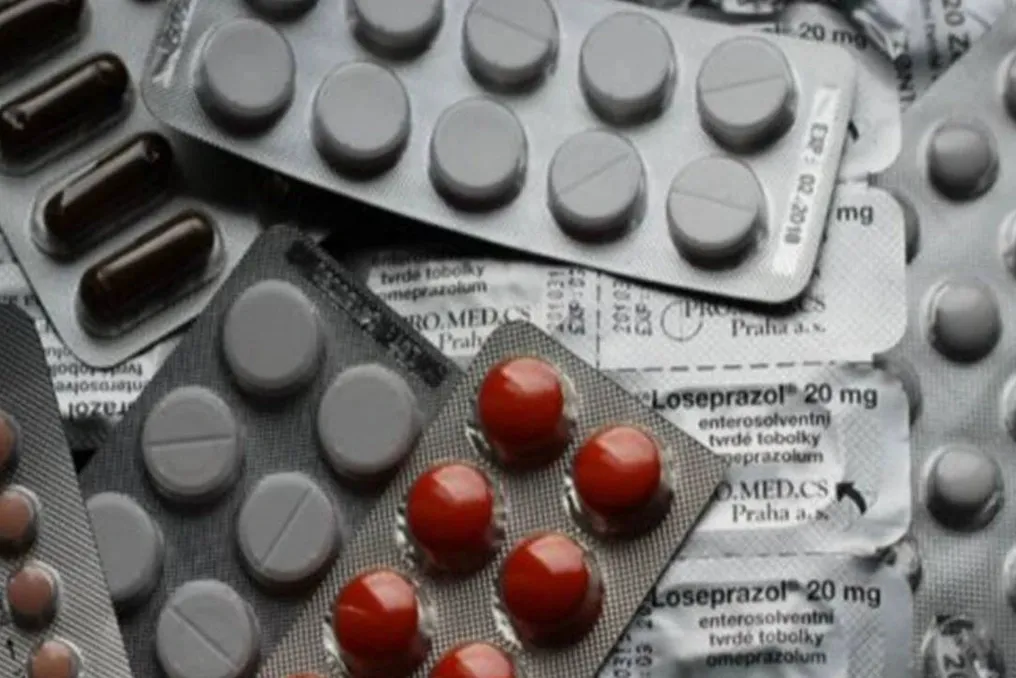
In many Indian households, the practice of taking only part of an antibiotic course is common. Patients often discard incomplete packages, considering it a sensible saving. However, bacteria within the body that survive incomplete treatment are the most resistant and begin to multiply actively. When this situation repeats itself among millions of people in hospitals, pharmacies, and farms, the effectiveness of the medicine decreases.
The problem of antimicrobial resistance arises when bacteria acquire the ability to resist medications that were previously lethal to them. An infection that could be treated with a standard antibiotic becomes harder to control, forcing doctors to prescribe more expensive and potent drugs.
Doctors face this phenomenon daily. Dr. Somya Muralikumar, an internal medicine specialist at Apollo Spectra Hospital in Chennai, notes how often she sees cases of infections that do not respond to the first prescribed antibiotic. She states that this happens 'very often,' especially in patients who took several different medications on their own before visiting the doctor.
The overall picture of the problem is documented in the annual report of the Network for Antimicrobial Resistance Surveillance of the Indian Council of Medical Research (ICMR). The 2025 report analyzed 113,008 culture-positive bacterial and fungal samples from 30 tertiary care hospitals. For the first time, data from 34 secondary hospitals, including 12 district hospitals, which provided another 20,529 samples, were also included.
The results were alarming. Only 18.4 percent of E. coli samples responded to cefotaxime, and 24.7 percent responded to ceftazidime. Among E. coli urine samples, sensitivity to ciprofloxacin was only 9 percent, and to levofloxacin was 18.2 percent. Low sensitivity was observed even among outpatient patients, indicating that resistance is not limited to those hospitalized.
The situation with Klebsiella pneumoniae, capable of causing blood and lung infections, was worse. Sensitivity to third-generation cephalosporins ranged between 23–27 percent. Carbapenems, powerful drugs used when others fail, acted against only 35–40 percent of samples. Some Klebsiella samples contained genes such as OXA-48 and NDM, which promote bacterial survival when carbapenems are used.
The greatest burden was observed in intensive care units. The sensitivity of Klebsiella samples from ICUs to ertapenem, imipenem, and meropenem was 26.1, 24.9, and 26.3 percent, respectively. Among retested Acinetobacter baumannii samples, 91.1 percent were resistant to carbapenems. More than half of Staphylococcus aureus samples (56.8 percent) from tertiary hospitals were methicillin-resistant, or MRSA, and about one in five Enterococcus samples was vancomycin-resistant.
Tuberculosis shows unevenness: samples remained highly sensitive to azithromycin (99.4 percent) and ceftriaxone (96.6 percent), but only 2 percent responded to ciprofloxacin.
There are positive aspects: fosfomycin showed effectiveness against 96.5 percent of E. coli urine samples, and nitrofurantoin against 79.1 percent. The report emphasizes that these are laboratory data, and the choice of the correct drug still depends on the location and severity of the infection, as well as the patient's own tests.
Doctors prescribe antibiotics not only due to patient demands but also due to expectations. Dr. Muralikumar names two reasons. Firstly, many people are convinced that only taking antibiotics will help them recover. Secondly, it is related to diagnostic uncertainty. Since most cases can be viral, but sometimes they can be bacterial, antibiotics may be prescribed out of fear of missing a bacterial infection.
Although antibiotics do not act on viruses, viral and bacterial diseases in the early stages can look similar, and without a quick and accessible test, cautious selection often leads to the prescription of antibiotics.
The patient's history begins even before the consultation. Dr. Muralikumar notes that 'many have already taken antibiotics.' Usually, they feel better after one or two doses and stop taking them. Self-medication complicates the further process: a patient who comes after taking several medications at home presents the doctor with a more complicated clinical picture and possibly a more resistant infection.
When the first drug stops working, simply replacing it with another is not enough. A reassessment of the patient's condition is necessary: reviewing symptoms, ordering more detailed blood tests, and only then prescribing a stronger antibiotic, possibly via a different route of administration. The ICMR report shares this view, pointing out that determining the specific mechanism of resistance helps doctors decide which new drugs might work, and advises choosing antibiotics based on laboratory tests, not past experience.
The financial burden falls on the patient, and recovery time can be delayed, notes Dr. Muralikumar.
On paper in India, there are restrictions on the sale of antibiotics. They are included in Appendices H and H1 of the Drugs Rules of 1945, requiring a prescription from a registered doctor. Appendix H1, effective since 2014, sets stricter conditions: pharmacies must record every sale in a separate logbook, and these records must be kept for three years.
The Ministry of Health's 'Red Line' campaign urges the public not to use medicines marked with a red vertical line, including antibiotics, without a doctor's prescription. However, compliance with these rules remains a problem. Retail practice studies have shown that the sale of antibiotics without a prescription remains widespread despite existing measures. A 2019 study in Kerala, surveying pharmacy owners, revealed a general opinion of weak adherence to norms and inconsistent awareness of the 'Red Line' campaign, even among healthcare workers.
India's political efforts have been underway for over ten years. In 2010, the country formed a National Task Force on AMR containment and published its first National Action Plan on AMR in 2017. The second plan, NAP-AMR 2.0 for the period 2025 to 2029, was launched by Union Health Minister J.P. Nadde on November 18, 2025, on World Antimicrobial Awareness Week. At the launch ceremony, Nadde stated that the misuse and overuse of antibiotics had become an unfortunate routine practice. The Ministry of Health reported that the new plan addresses the gaps of the first plan by increasing accountability for AMR control efforts, improving inter-sectoral coordination, and closer involvement of the private sector. It follows the 'One Health' approach, which considers human, animal, and environmental health comprehensively.
Some states acted independently. Kerala became the first state to implement a state action plan on AMR in 2018. In January 2024, its Drug Control Department launched Operation AMRITH, which includes surprise checks of pharmacies to detect the sale of antibiotics without a prescription. Pharmacies are required to display a notice that antibiotics will not be sold without a prescription and to maintain accurate sales records. Citizens can report violations via a toll-free number.
The ICMR figures are obtained from hospital laboratories, mainly from tertiary centers, and they show how many samples responded to the medication during testing. They do not reflect how many patients could not be treated, faced complications, or died. Furthermore, they do not reflect the levels of resistance in the general population. Nevertheless, the direction they indicate is clear, and ICMR itself has called for improved antibiotic use, enhanced infection control in hospitals, and treatment based on local resistance patterns.
Dr. Muralikumar, when asked about one change she would make, is unequivocal: 'We must start prescribing antibiotics only after establishing a bacterial infection,' she says, 'and pharmacies should only dispense antibiotics upon prescription.'
This seems like a modest request. She calls on doctors to wait for a diagnosis, patients to complete the prescribed course, and pharmacists to demand documentation. Each of these habits is small, but the damage from ignoring them accumulates across the country.