Uzbekistan producers granted until 2029 to transition to the new alphabet
Read more
Podrobno.uz [uz]
podrobno.uz

Uzbekistan producers granted until 2029 to transition to the new alphabet

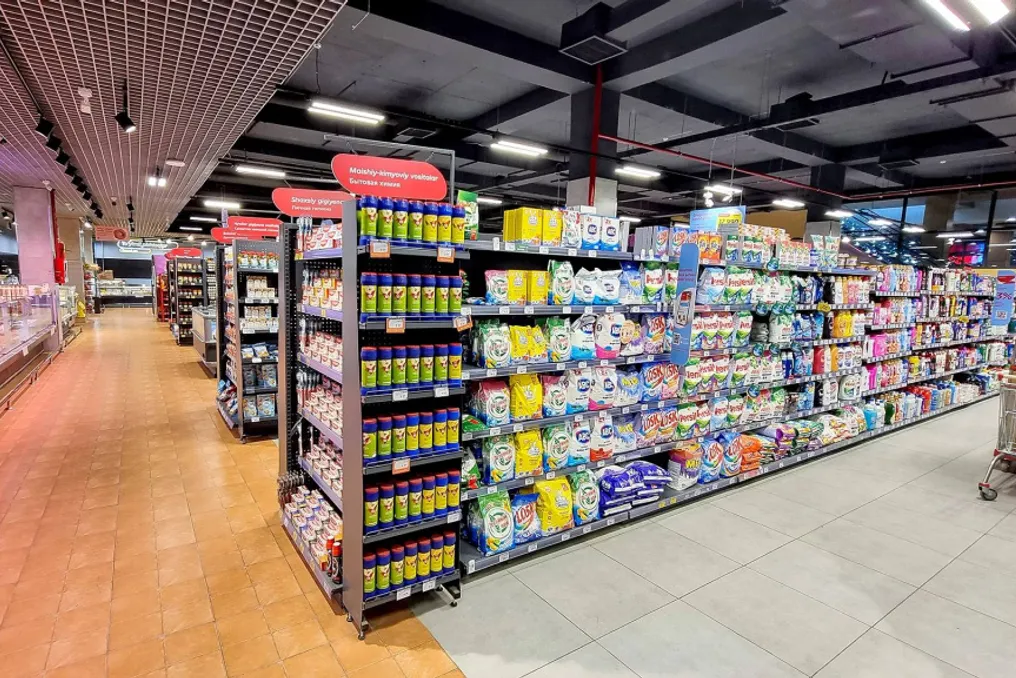
Entrepreneurs in Uzbekistan are being given an additional period to adapt to the new Uzbek alphabet. According to the plan, old packaging materials will be permitted for use until April 2029, allowing businesses to smoothly transition to new standards without needing to dispose of existing stock.

The draft Cabinet of Ministers resolution stipulates that starting from April 22, 2027, producers can use both the former and the updated alphabet on their products and labels. This interim period is intended for the gradual updating of product design and the preparation of new printed materials.

From April 22, 2028, all new orders for manufacturing labels and packaging must comply with the updated requirements. However, previously printed materials will retain the right to be used for one more year, until April 22, 2029. Products with legally applied old labeling can be sold until their expiration date.

The changes will affect not only physical products but also digital resources: online stores, marketplaces, delivery services, electronic catalogs, and streaming platforms are planned to switch to the new alphabet starting from April 22, 2027. Training seminars and methodological recommendations on the new writing rules are provided for all participants in the process.

It is important to note that this draft resolution is undergoing a public discussion phase until December 6, meaning the stated deadlines may potentially be adjusted. Previously, it was announced that a plan for transitioning to the updated alphabet in Uzbekistan would be developed, which would also cover educational institutions, state documentation, and banking systems.

Similar stories

Uzbekistan will consider the full cost of ownership in public procurement, not just the price
Read more
podrobno.uz

Uzbekistan will consider the full cost of ownership in public procurement, not just the price

Changes are being introduced to the rules for public procurement in Uzbekistan. Now, when selecting goods, not only their initial cost but also related expenses for operation, repair, and maintenance will be taken into account.

Furthermore, starting from 2027, buyers will be obliged to publish three-year procurement plans in advance. This will give manufacturers the opportunity to prepare for upcoming orders in advance.

Changes were announced at the meeting

President Shavkat Mirziyoyev informed about these measures during a meeting with representatives of the electrical engineering industry. Every year, Uzbekistan spends 10 trillion soms on the purchase of electrical engineering products under state contracts.

Previously, entrepreneurs had to monitor tenders of state enterprises on several electronic platforms. A unified system has now been launched that aggregates all state orders on one platform.

Preliminary Procurement Planning

The next stage will be the preliminary disclosure of three-year procurement plans. Starting January 1, 2027, enterprises will be able to find out in advance exactly what types and quantities of equipment will be needed by state buyers. This will provide manufacturers with the opportunity to plan the expansion of production capacities, purchase necessary equipment, and attract investments.

The authorities plan to change the previous principle of supplier selection, which was based solely on the lowest price. A control purchase of two 40-kilowatt transformers demonstrated the problem: the imported option cost 400 thousand soms less than the local one, but its electricity consumption was 10% higher, and repair costs were four times higher than those of the domestic analogue.

As a result, the 'life cost' method will be integrated into the state procurement system, which involves assessing the total cost of owning the product over its entire service life. In addition to the initial price, factors such as energy consumption, need for repair, technical maintenance, and other operating costs will be considered.

It is expected that this approach will help state buyers make decisions based on long-term financial indicators, and local producers will compete not only on price but also on criteria of energy efficiency, reliability, and maintenance cost. Previously, representatives of the Agency for Industrial Cooperation and State Procurement also advocated for increasing the share of domestic producers in state tenders.

Popular