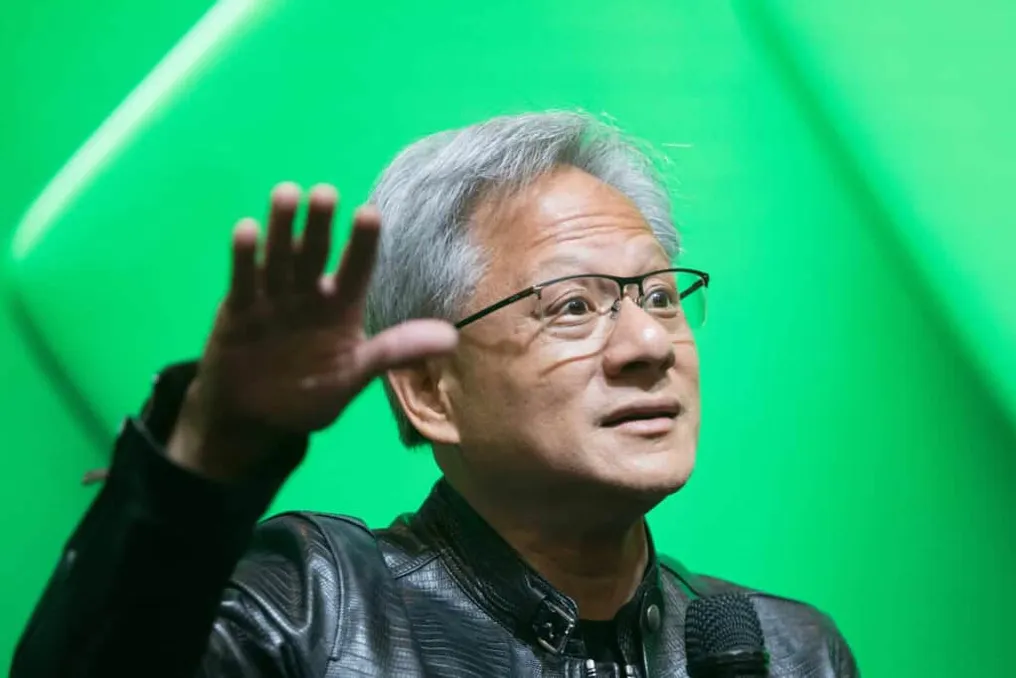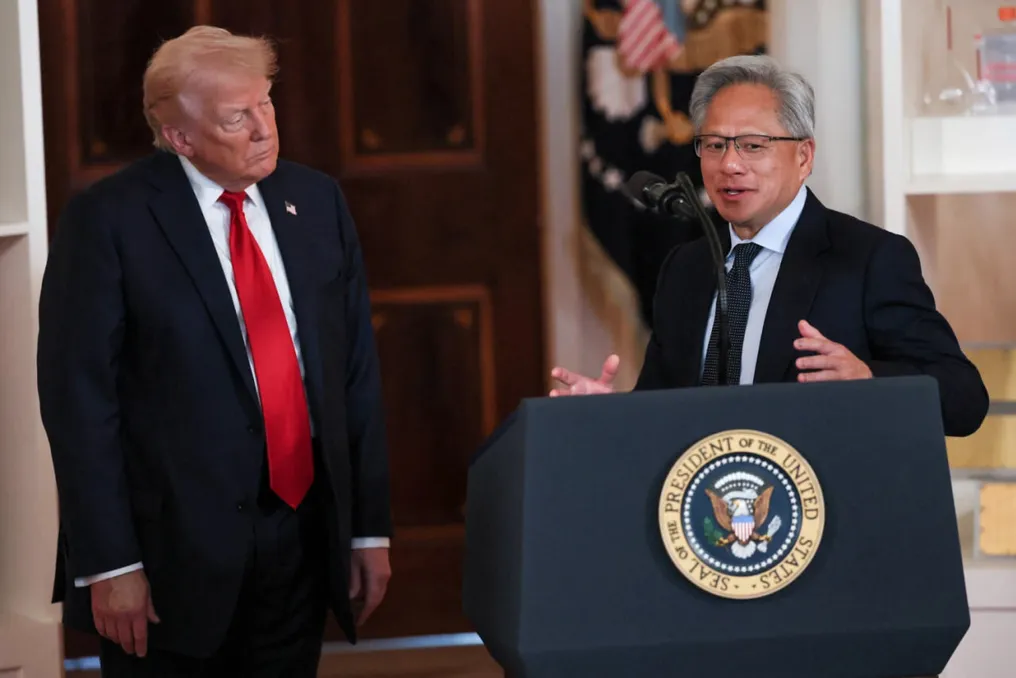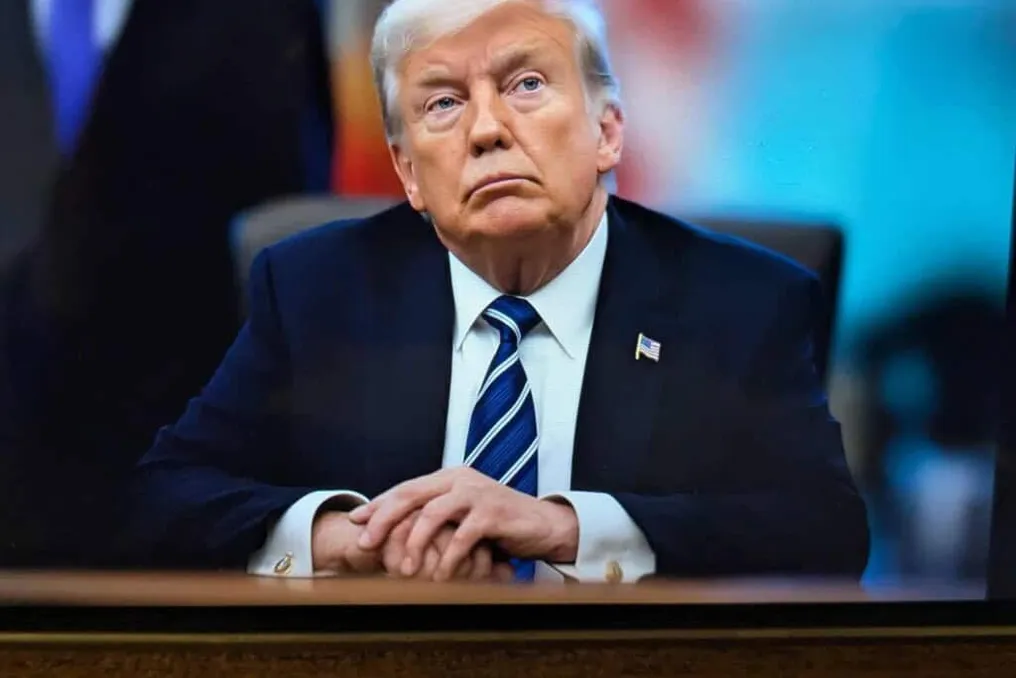
The United States President, Donald Trump, publicly requested that Nvidia rehire Jensen Huang as Chief Executive Officer (CEO). This statement comes amid new information regarding an alleged espionage scandal involving an executive's extramarital relationship with a businesswoman.
While Silicon Valley entrepreneurs are advocating for the co-founder's return, the manufacturer's board has resisted this reinstatement. Furthermore, the situation raises concerns about the company's billion-dollar business in China.
Trump released his request on social media on Sunday night (22), writing: 'I hope the Nvidia board rehires Jensen Huang. It would be the best thing for the company and also for the United States.'
The pressure arose after The New York Times reported that Alice Huang, identified as the executive's former mistress, maintained communication for over a year with an official from the Chinese Ministry of State Security. According to the newspaper, these conversations took place between mid-2025 and October of this year, when the relationship came to light.
Alice was responsible for Megaspeed International, a Singapore-based company and a major Nvidia client, moving billions in chip acquisitions. This company has been under investigation by American authorities since 2024 on suspicion of trafficking advanced artificial intelligence processors to China.
The scandal resulted in Huang's resignation two weeks later and caused a drop in Nvidia's stock. Despite the suspicions, members of the American government state that there is no conclusion yet regarding Alice's possible involvement in espionage activities. This month, Attorney General Todd Blanche stated that the Department of Justice had not yet decided whether she acted as a Chinese spy.
Huang's departure prompted a mobilization of allies interested in bringing him back to leadership. As reported by the Financial Times, a supporter of the executive is reportedly organizing a 'war room' with the participation of Silicon Valley leaders, aiming to pressure for his return and gain support from the White House.
This campaign gained momentum over the weekend, counting on the support of figures such as Elon Musk, CEO of Tesla and SpaceX, and Tim Sweeney, founder of Epic Games. Both signed an open letter requesting the board to reintegrate Huang. Nvidia employees also joined this document.
However, the initiative faces resistance in Washington. On Sunday (22), U.S. Treasury Secretary Scott Bessent advocated for a 'drastic change' in the manufacturer's management.
On Tuesday (18), the chairman of the board, Harvey Jones, had declared that Nvidia would not rehire its co-founder as CEO. He also informed that the company hired the consultancy Heidrick & Struggles to assist in finding a permanent CEO, while Colette Kress, CFO, occupies the position temporarily.
The leadership dispute occurs at a crucial time for Nvidia's business in the Chinese market. A Reuters report indicated that the manufacturer was regaining ground in the country with lower-power products, after American restrictions on exporting its most advanced processors, initiated in 2022, had decreased its sales.
This strategy gained momentum due to the growing interest in processing capacity for artificial intelligence and the difficulties faced by Chinese manufacturers in meeting demand. Nvidia's revenue from customers located in China and Hong Kong jumped from US$ 2.97 billion (about R$ 17.52 billion) in the October 2025 quarter to US$ 11.05 billion (approximately R$ 65.19 billion) in the period ending October 25, 2026.
Currently, sources cited by Reuters report that some Chinese customers have begun suspending orders or postponing purchases of the RTX PRO 5500 graphics card, fearing that the product may also be blocked from entering the country. The agency could not determine the magnitude of these cancellations or whether there will be shipping restrictions.
The potential expansion of trade barriers also worries companies that use Nvidia's Jetson processors in the development of robots, drones, and other autonomous equipment. According to Reuters, American agencies are evaluating whether these components should be included in the scope of technological restrictions imposed on China.