The military actions by the US and Israel against Iran could have far-reaching environmental consequences that will persist even after hostilities cease. These concerns relate to pollution, the state of water resources, as well as damage to wildlife and marine ecosystems in the region.
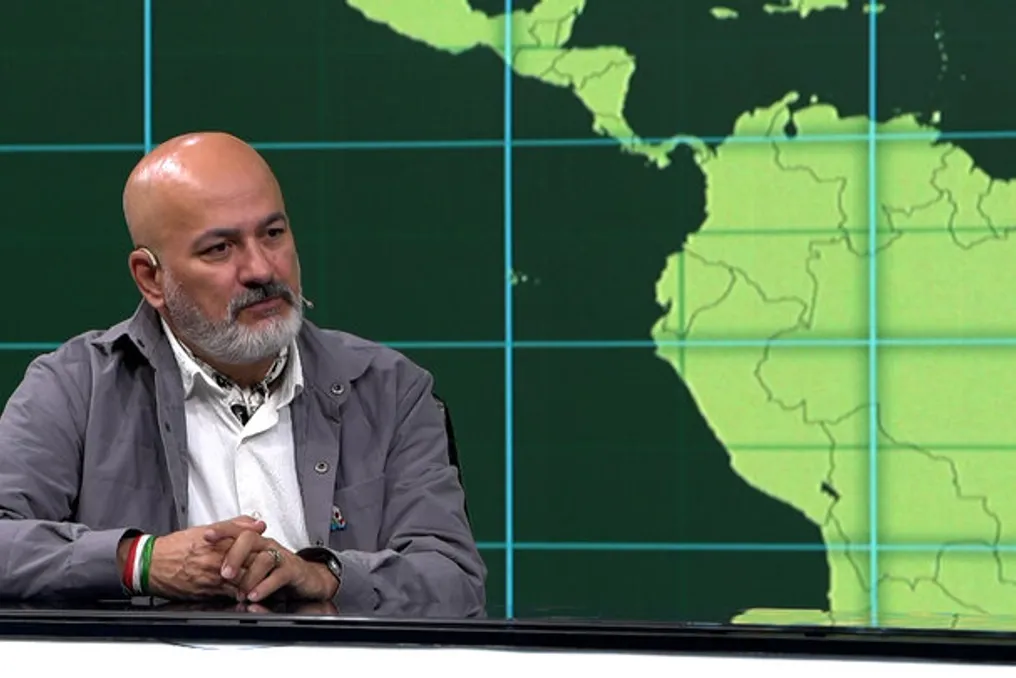
In an exclusive interview with Tehran Times, prominent ecologist and desert researcher Mohammad Darvish noted that fires at oil refineries, damage to protected habitats, and the loss of vessels transporting hazardous materials could cause repercussions beyond Iran's borders. Pollutants entering the Persian Gulf threaten marine life and food chains in neighboring countries, while smoke and particulate matter can travel hundreds or even thousands of kilometers.
Darvish also raised issues regarding the shortcomings of international mechanisms for protecting ecosystems during wartime and the difficulties in documenting environmental damage and holding perpetrators accountable. He believes that the development of renewable energy and shared use of natural resources can help Iran and its neighbors strengthen energy security, deepen regional cooperation, and find a path to peace.
He emphasized that war is one of the most destructive human activities, whose consequences manifest in the short, medium, and long term. Citing examples, he mentioned that the effects of the atomic bombings of Hiroshima and Nagasaki over 80 years later, as well as the consequences of using Agent Orange during the Vietnam War, remain evident in contaminated soil and water.
Despite the development of UN Conventions and protocols to prevent such actions, Darvish pointed to serious violations of these principles during the war between Israel and Palestinians in Gaza, as well as during the 12-day and 39-day wars waged against Iran. One of the most significant examples was the bombing of oil storage facilities in areas of Tehran, such as Shahran and Suhanak, which led to the formation of so-called black and acid rain.
To date, no detailed report has been compiled on what proportion of runoff from this rain entered the reservoirs of Latian, Mamlu, and Karaj dams, or what impact this had on aquatic organisms. Furthermore, explosions related to oil facilities and vessels occurred in the Persian Gulf and the Arabian Sea; according to official data, at least 200 vessels sank, some of which were carrying chemicals and hazardous substances.
Attempts by researchers from the Department of Environment to conduct investigations were blocked by American vessels, which warned them not to approach. This made it impossible to establish the full scale of the damage through reliable documentation checks. Darvish also noted that 17 coral islands in the Persian Gulf are valuable ecosystems that have been affected.
Moreover, since 2015, 'dead zones' have been developing in the Persian Gulf around desalination plants in Qatar, the United Arab Emirates, and Bahrain. Following the wars, the concentration of pollutants may have increased due to the discharge of ballast water from ships, which could lead to the expansion of these zones, the restoration of which will take many years.
The Department of Environment reported damage to 23 protected areas, as well as damage to environmental protection facilities and research centers along the coasts of the Persian Gulf and the Arabian Sea. Mangrove forests, including the Hara and Chandal forests, were also affected. Emissions of dead marine animals have been observed on the Persian Gulf coast, for example, on Kish Island.
Darvish called for more active participation from the United Nations to ensure that environmental protection protocols are not ignored for security or military reasons. He pointed out that UN member states, such as the US and Israel, have signed agreements prohibiting the use of chemical weapons, but in his opinion, the incident in Tehran on Esfand 14, 1404 (March 5, 2026) violates these obligations.
In a personal account, Darvish shared observations about social solidarity during the conflict, noting people's care for injured birds and acts of kindness, such as helping to pay for fuel or selling eggs at old prices. He also mentioned a campaign to save the endangered fish species Afanius in the Zayandeh Rud river basin, which he considers an indicator of social development.
Highlighting the interconnectedness of ecosystems, Darvish cites historical examples, such as the damage to the Mesopotamian ecosystem during the Iraq War and the impact of dust storms caused by projects in Turkey. He also explained how the reduction of Tigris and Euphrates runoff led to the loss of livelihoods for four million farmers in Syria and Iraq, contributing to poverty and instability.