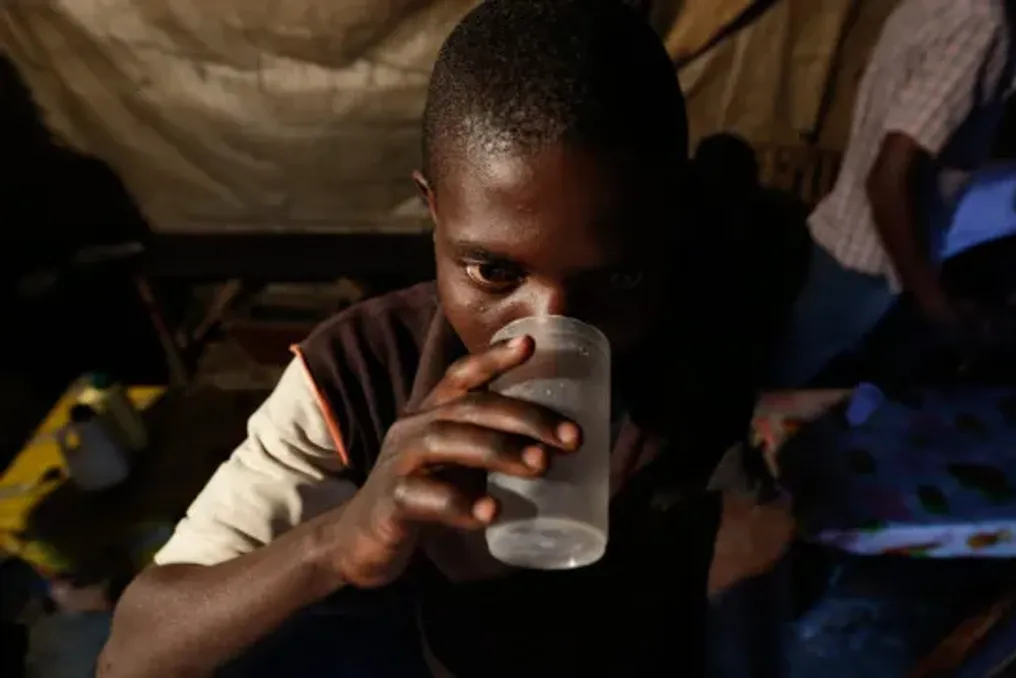
Mozambique Health Minister warns of risks among youth, including early marriage and alcohol use
Read more
Noticias ao Minuto
noticiasaominuto.com

Mozambique Health Minister warns of risks among youth, including early marriage and alcohol use

The Minister of Health of Mozambique issued a warning regarding the high rates of premature marriages, alcohol consumption, and morbidity among adolescents and young people. He noted indicators that threaten national development and the utilization of the country's demographic potential.

Speaking at the opening of the National Meeting of the Geração Biz 2026 Program, held in Maputo, Ussene Isse presented several indicators that continue to negatively affect Mozambican youth and emphasized the need for a coordinated response from national authorities and partners.

The government official stated that the rate of early marriages is about 48%, and HIV infections are also very high. Furthermore, he reported that 36% of young people face early pregnancy, and the violence rate reaches approximately 48%.

In the opinion of the Mozambican Minister of Health, the persistence of these figures indicates that adolescents and young people remain exposed to multiple risk factors that jeopardize their health, education, and future prospects. He concluded that all these problems pose a serious challenge.

The Minister also drew attention to data concerning alcohol and tobacco use among students, calling them particularly alarming. He listed that 59% of students reported consuming alcoholic beverages, and 80% of students had tried tobacco. These figures, according to him, demonstrate an urgent need to strengthen preventive measures, health education, and the promotion of a healthy lifestyle among youth.

Ussene Isse insisted that investments in the health and protection of adolescents and young people must be considered a strategic priority for the country, as Mozambique seeks to turn its youth population growth into an advantage for economic and social development. He stressed: 'Protecting this age group means protecting Mozambique. It means protecting development. It means protecting the demographic dividend.'

The Geração Biz Program, established in 1999, aims to promote the health and rights of adolescents and young people, with a special focus on preventing sexually transmitted infections, including HIV, as well as ensuring access to sexual and reproductive health services in schools, medical facilities, and communities. The National Meeting will assess the progress made and determine priorities for implementing the National Strategy of the Geração Biz Program for the period 2026–2035.

It is also worth noting that the President of the Supreme Court of Mozambique warned on October 28 about the increase in the number of minors involved in crime, noting 300 such cases in the first six months of the current year and advocating for the creation of specialized institutions. In the first half of this year, courts registered about 300 such cases, and he predicted that the number could exceed last year's figures by the end of the year.

Additionally, on October 19, Lusa reported that Mozambican authorities rescued and reunited nearly 500 minors who were victims of early marriage with their families in the first six months of 2026, mainly in the Zambezia and Nampula provinces.

According to data from a Government report, which Lusa received today, 498 children affected by early marriages were reunited with their families during the first half of the year out of a planned 524, corresponding to achieving the goal by 95%. Of this total, 135 minors were reunited in Zambezia (central part), 128 in Nampula (northern part). There were also 84 cases recorded in Manica (central part), 43 in Inhambane, and 41 in Maputo (southern part).
Similar stories

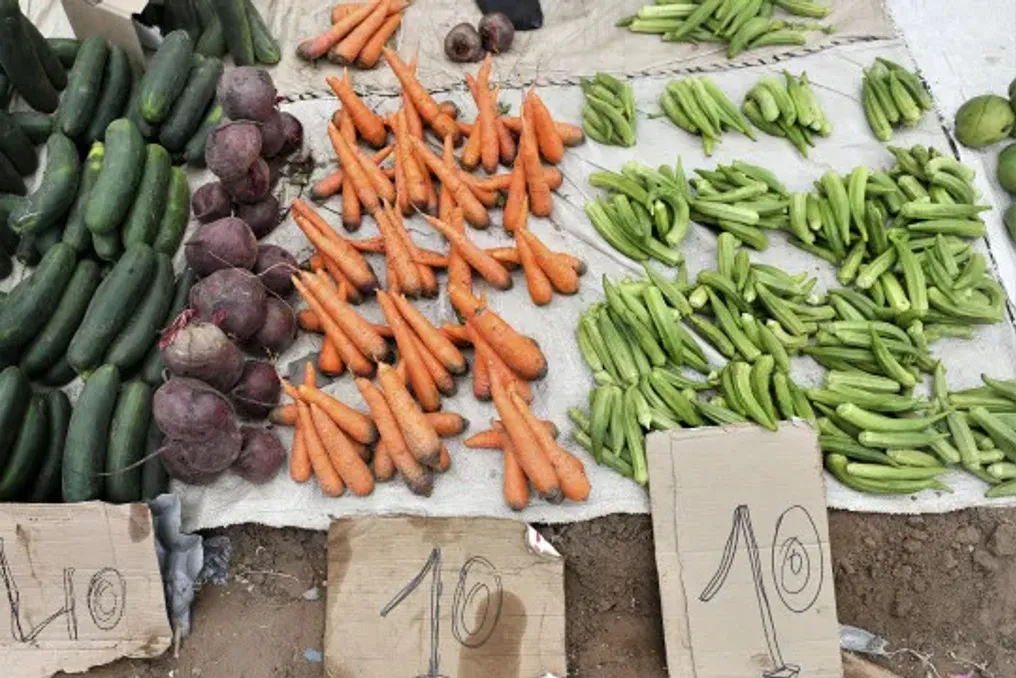
Malnutrition affects 37% of Mozambicans, with higher incidence in northern regions
Read more
noticiasaominuto.com

Malnutrition affects 37% of Mozambicans, with higher incidence in northern regions

Around 37% of the population in Mozambique suffers from malnutrition problems, with this index reaching 40% in the regions located in the north of the country. This data was revealed by the head of the Technical Secretariat for Food and Nutritional Security (Setsan), who also highlighted the low consumption of fish and meat.

Judith Mussácula stated that 37% of the population faces malnutrition problems during the launch of the commemorative week for World Fisheries Day, an event held in Maputo annually on November 21st.

Based on the latest data from the 2022-2023 Demographic and Health Survey (DHS), the manager pointed to an alarming situation in the central and northern provinces of the country. In contrast, while the south of the country registers a chronic malnutrition prevalence close to 11%, staying below the 20% limit established by the World Health Organization (WHO), several central and northern provinces exceed 30%.

The executive director of Setsan identified Nampula, located in northern Mozambique, as one of the most affected provinces, presenting a notably high rate of malnutrition. She specifically cited Nampula, where the rate is approximately 47%, in addition to mentioning cases in Zambézia, Cabo Delgado, and Niassa.

According to Judith Mussácula, the effects of poor nutrition go beyond health, directly affecting child development. She explained that an index of 40% or higher implies that, out of every hundred children, forty or more may have difficulties learning to read and write.

The official advocated that ensuring food and nutritional security requires a strategy involving multiple sectors, covering agriculture, health, education, social protection, statistical planning, and disaster management. She emphasized that this issue cannot be treated in isolation by a single ministry, sector, or province.

Additionally, during her speech, Judith Mussácula expressed concern about the low consumption of animal protein in the country, despite the existing productive potential. She observed that meat and fish consumption is very low, even though there are vast areas available for it.

Finally, she added that recent studies indicate that the country is self-sufficient in tuber production and generates a large part of the corn consumed domestically, but challenges persist related to both access and the correct nutritional use of food.

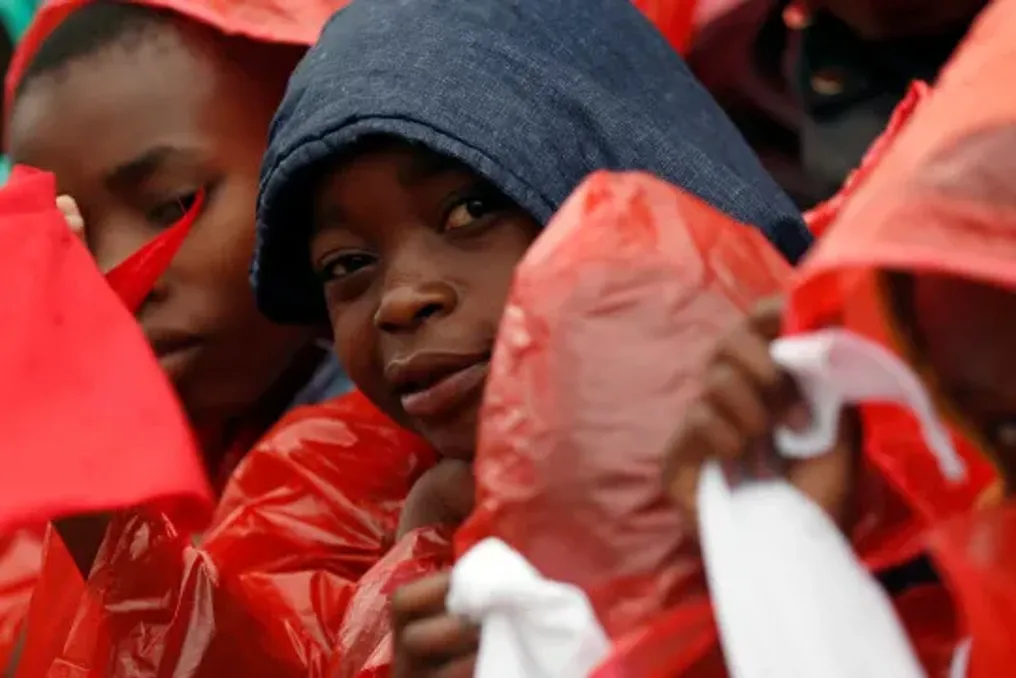
Malnutrition affects 37% of children in Mozambique and impacts school performance
Read more
noticiasaominuto.com

Malnutrition affects 37% of children in Mozambique and impacts school performance

Chronic malnutrition affects 37% of Mozambican children under five years old and is directly linked to 18% of school repetitions, according to an official diagnosis.

This data was compiled in the National School Feeding Strategy (ENAE) for the period 2026 to 2035. This strategy was approved by the Government through Resolution No. 89/2026, dated November 5, and defines the guidelines for the school feeding policy for the next decade, recognizing child nutrition as a primary challenge for the country.

Government records show a progressive decrease in chronic malnutrition over the last two decades. Rates went from 48% in 1999/2000 to 43% in 2014, reached 38% in 2019/2020, and more recently reached 37% according to the Demographic and Health Survey conducted in 2022/23.

However, the strategy points out that Mozambique is still far from the international goals set for combating malnutrition, indicating that progress towards World Health Assembly targets is insufficient.

Despite the improving trend, nutritional problems maintain a severe effect on child development. The document highlights that high rates of malnutrition, both chronic and acute, combined with a lack of psychomotor development stimulation, can cause irreversible brain damage after the first two years of life.

Additionally, the report states that the low weight rate among children is 15.6%, while 4.1% of children in Mozambique suffer from overweight. Anemia affects almost 73% of children between six months and five years, and also affects 51.8% of women of reproductive age.

The strategy establishes a clear link between nutritional status and school performance. It is estimated that 18% of school repetitions in Mozambique are caused by chronic malnutrition. The document explains that poor nutrition harms children's cognitive development, reducing their ability to concentrate and learn, which increases the chance of academic delay or dropout. Such consequences are visible in educational results, resulting in a higher number of repetitions and less academic advancement.

According to the same source, children affected by malnutrition can experience an educational delay of almost five years. Furthermore, the strategy cites UNICEF data, indicating that approximately one-third of child deaths in the country are linked to malnutrition.

Poverty, food insecurity, and the limited capacity of families to provide adequate nutrition are cited as contributing factors to this problem. The document estimates that more than half of Mozambican families do not have sufficient resources for a diet that meets energy, protein, and micronutrient requirements.

In this context, school feeding is presented as one of the most efficient interventions to simultaneously address the challenges of education, nutrition, and social protection, especially in areas marked by poverty, food insecurity, and extreme weather events.

The document warns that droughts, floods, and cyclones continue to harm agricultural production and families' access to varied foods, intensifying the nutritional vulnerability of thousands of children. Given this situation, the Government advocates for expanding school feeding as a tool to improve health and education indicators, increase school attendance, and promote healthier eating habits.

Among the objectives of ENAE are also strengthening family farming, local food procurement, and the economic development of rural communities. The strategy concludes that ENAE is fundamental for the sustainable development of Mozambique, as the program not only improves children's health and school performance but also boosts the local economy and strengthens social cohesion.

Popular