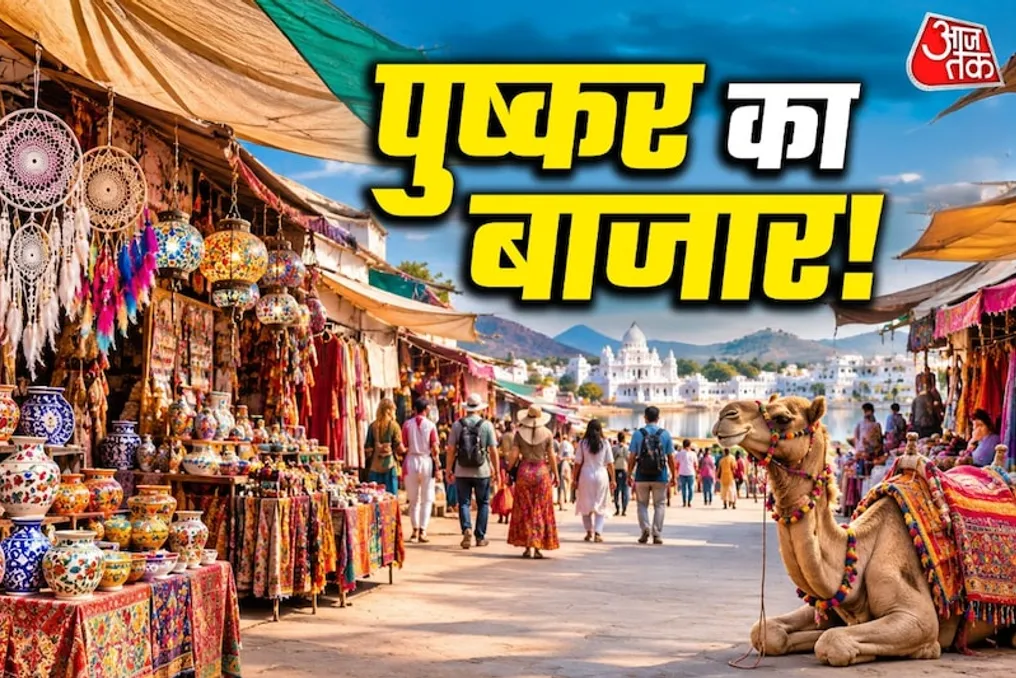
Nine types of goods are presented in Pushkar bazaars: from boho bags to dreamcatchers
Read more
Aaj Tak
www.aajtak.in

Nine types of goods are presented in Pushkar bazaars: from boho bags to dreamcatchers

Pushkar, known as a sacred place in Rajasthan, attracts thousands of visitors annually, both domestic and international. The annual fair festival, held during the month of Kartik, is a major event where livestock trading takes place, including camels and horses, reaching sums of millions.

Rajasthan's Pushkar is famous not only for the Brahma Temple, Pushkar Lake, and camel fair but also for shopping opportunities. While Jaipur, Jodhpur, and Udaipur are known for their handicrafts, traditional clothing, and decorative items, Pushkar features a popular trend for boho and hippie-style goods.

Here, it is easy to find clothing, accessories, and home decor items in an exotic style. If you plan to visit the Pushkar fair, you can purchase these items that will add sophistication to your style and home.

Local markets offer a wide selection of boho clothing, including long skirts, harem pants, shawls, maxi dresses, pashminas, and clothing sets. Items in pastel shades, with appliqués, embroidery, and tie-dye prints are particularly popular.

Since Pushkar is called the rose garden of Rajasthan, products made from roses are sold here, such as rose extract, rose perfume, gulakand, and rose syrup.

Numerous leather goods are available in Pushkar. The market offers various types of bags, belts, wallets, diaries, and footwear. There is a large number of foreign buyers observed while shopping here.

For decorating homes and rooms, pillows, wall hangings, floor rugs, tablecloths, and decorative items with Rajasthani and boho designs are available. These items are actively sold.

Handicrafts such as dreamcatchers, macrame bags, lampshades, mirrors, and jewelry can be bought from Pushkar. These items are in high demand among people.

Despite the digital age, people still value diaries. Here you can purchase handwritten paper diaries, books with block print covers, and books with mandala designs.

In addition to bags, clothing, and decorative items, Pushkar has a wide range of jewelry. You can find earrings, bracelets, and pendants made of silver, beads, crystals, shells, and colored stones.

Due to the growing popularity of boho bags, young women are actively purchasing them. Bags made with mirror work, embroidery, cowrie shells, jute, and crochet are expensive online, but they can be bought at a more affordable price in the street markets of Pushkar.

Given Pushkar's status as a sacred place, spiritual goods and Rajasthani decorative items are also sold here. Among them, you can find garlands, rudraksha, small deity statues, shells, bandhej-lahariya fabrics, blue pottery, and colorful wall decor.

Similar stories

Besides the fair, there are six places to visit in Pushkar for a complete acquaintance with the region's culture
Read more
www.aajtak.in

Besides the fair, there are six places to visit in Pushkar for a complete acquaintance with the region's culture

The Pushkar Mela 2026 event is held annually in November in the city of Pushkar, Rajasthan, attracting attention not only domestically but also from all over the world. At this fair, trade takes place involving camels and horses, for which bids can range from millions to tens of millions of rupees. Additionally, visitors are drawn by camel races, decorations, and various competitions.

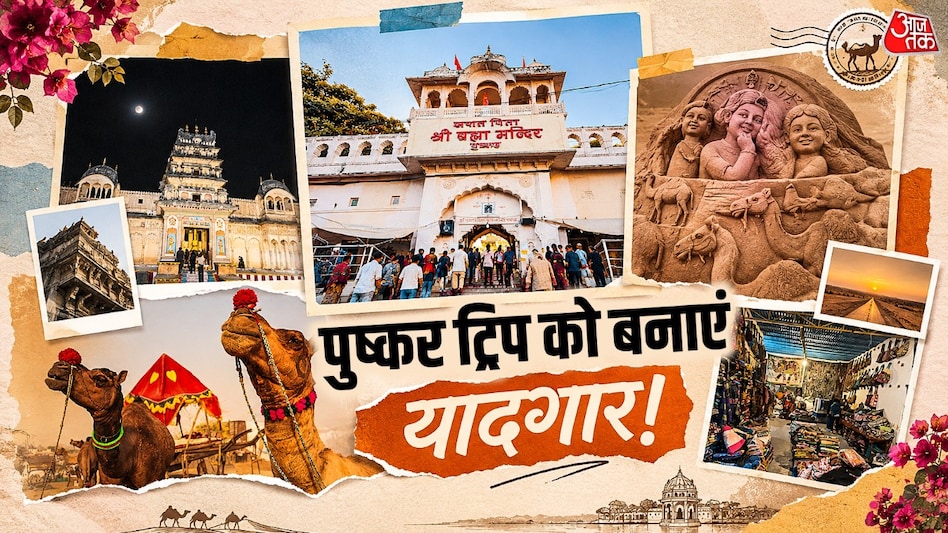
However, if you are planning a trip to the Pushkar Mela, you should not limit yourself to viewing only the animals. This picturesque city in Rajasthan offers many other attractions. Here you can find both ancient temples and delicious sweets and colorful markets, making your trip unforgettable. Below are six things that are definitely worth including in your itinerary when visiting Pushkar.

Six Activities to Do in Pushkar

  1. Visit the Brahma Temple

    It is impossible to visit Pushkar without seeing the temple dedicated to Brahma. This temple is one of the world-famous shrines dedicated to the god Brahma. People appreciate the red spire and magnificent architecture of this temple. Pilgrims come from afar, valuing both the religious and historical significance of this place.

  2. Go to Savitri Mata Temple

    Savitri Mata Temple, located on Pushkar hill, is also a good place for a walk. It is dedicated to the goddess Savitri, wife of the god Brahma. Access to the temple is via a cable car. From the hill, there is a beautiful view of the city of Pushkar and the surrounding valleys, which will especially please photography lovers.

  3. Try the famous Pushkar Malpuas

    Rajasthani cuisine is very popular, and a trip to Pushkar would be incomplete without the dessert Rabdi Malpuas. Hot malpuas can be found in many places on the streets and markets. These sweet pancakes, soaked in syrup, have a special taste. In addition to malpuas, you can also try camel milk tea and kachori in Pushkar.

  4. Be sure to visit the sand sculpture park

    In Pushkar, you can see the art of sand sculpture, where artists create various figures and beautiful patterns from sand. If you want to see something unusual and creative, it is worth visiting the sand sculpture park. Such sights are rare, and the various designs in the sand look very impressive.

  5. Visit the markets of Pushkar for shopping

    The markets of Pushkar, like those in Jaipur, are filled with the traditional culture and colors of Rajasthan, which is pleasing to the eye. Here you can purchase traditional Rajasthani clothing, silver jewelry, colorful bangles, embroidered bags, juttis, and handicrafts. During the fair, the atmosphere in the markets becomes even more lively, and you can find famous Rajasthani handicrafts. You can buy beautiful souvenirs for yourself or for your relatives.

  6. Experience the Aarti atmosphere by the lake in the evening

    The promenades around Pushkar Lake are a distinctive feature of this city. In the evening, the atmosphere here becomes very calm and beautiful. The Aarti performed on the promenades, the burning lamps, and the chants create a unique experience different from the Aarti in Varanasi or Rishikesh. After a day spent at the fair, quiet time by Pushkar Lake will bring special tranquility.

Thus, if you are preparing to visit the Pushkar Mela, be sure to include these six experiences in your tourist route. This will allow your trip not to be limited only to the livestock fair, but also to give you an opportunity to get closer to the culture, tastes, and religious traditions of Rajasthan.

List of goods that may be prohibited from import into Brazilian airports
Read more
viagemeturismo.abril.com.br

List of goods that may be prohibited from import into Brazilian airports

When shopping abroad, people often want to buy electronics, try products not sold in Brazil, or bring back spices from a visited place. However, not all goods are permitted for import into Brazil.

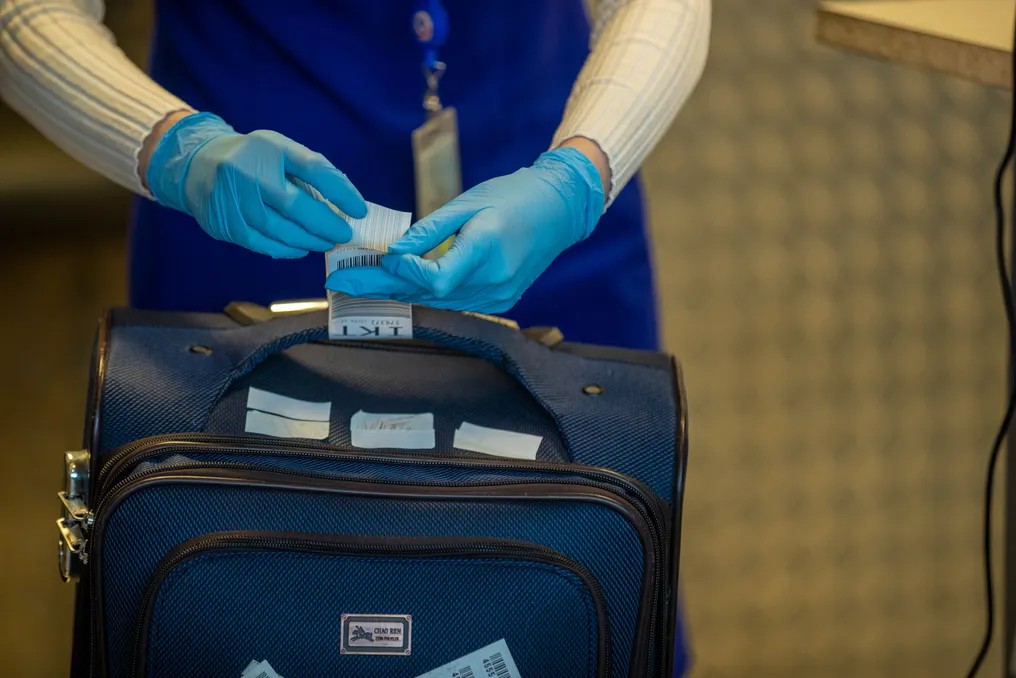
Passengers arriving in the country by plane must adhere to the duty-free limit of 1000 US dollars set by the Federal Revenue Service, in addition to considering several restrictions that are independent of the goods' value.

The import of certain products is prohibited for sanitary, environmental, or security reasons, while others require authorization from bodies such as the National Health Surveillance Agency (Anvisa) and the Ministry of Agriculture and Livestock (Mapa).

Among the products that cannot be imported from abroad, even if industrially processed and vacuum-packed, are Iberian ham, Parma ham, salami, mortadella, and sausages containing pork. These restrictions aim to prevent diseases in Brazil.

There is an exception for pork products: canned meat products that have undergone thermal sterilization are allowed. The import of raw meat and fish prepared artisanally or smoked exclusively is also prohibited, regardless of the animal species.

On the other hand, industrial products such as canned sardines can be carried in carry-on luggage. Products must be hermetically sealed in their original packaging, indicating composition, origin, and the sanitary authority of the producing country, and must be intended for personal consumption. Even if permitted, they must be declared upon arrival.

Restrictions on dairy products

The import of homemade cheese and other dairy products is prohibited in Brazil. The same applies to raw milk of any animal, even if it is chilled, frozen, or vacuum-packed.

There are also restrictions among industrially produced cheeses. The Ministry of Agriculture prohibits the import of products made from unpasteurized or unsterilized cow or buffalo milk from certain countries, such as France, Italy, Spain, Greece, and Japan. This restriction also applies to milk used in the production of these products.

Other industrial dairy products can be imported for personal consumption provided they are hermetically sealed in their original packaging and have identification of the product, composition, country of origin, and local sanitary authority.

Restrictions on beekeeping products and fruits

The import of honey from abroad is not permitted, even if it is industrially processed and in its original packaging. This restriction also applies to other beekeeping products, such as propolis and its derivatives, pollen, and beeswax.

Also on the prohibited list are royal jelly, used to feed larvae and the queen bee, and apitoxin, bee venom.

Even an apple left over from a flight snack can be confiscated upon arrival. The import of fresh or dried fruits, vegetables, greens, and flowers is prohibited without presenting a phytosanitary certificate issued by the agricultural authority of the country of origin.

Stricter requirements apply to seeds intended for planting, seedlings, and flower bulbs, such as tulips sold in the Netherlands. In addition to sanitary documentation, these goods require prior import permission issued by the Ministry of Agriculture.

Restrictions on animal materials and e-cigarettes

Necklaces made of seeds, wooden sculptures, and items made from feathers, bones, teeth, or horns of animals may also be seized at Brazilian airports. The Ministry of Agriculture requires that the materials used to make these items undergo special treatments. Otherwise, the traveler must provide the appropriate sanitary documentation. For plant materials, processes such as dyeing, roasting, and artificial dehydration are acceptable. Raw wooden items less than six millimeters thick and MDF products are exempt from these treatments.

The import of items showing signs of pests, whether animal or plant-derived, is prohibited. E-cigarettes, known as vapes and pods, have been banned from import into Brazil since 2009. This ban, established by Anvisa, applies to both disposable and rechargeable models, including cartridges, parts, and accessories. Even if the device is intended for personal use, it cannot be carried into or checked baggage from abroad.

Prohibited and controlled goods

Replicas of designer bags, expensive watches, clothing, and sneakers with fake brands are on the list of goods prohibited by the Federal Revenue Service. The ban also covers counterfeit products, such as illegal copies of computer games.

Chocolate and chewing gum containing THC, the psychoactive substance cannabis, sold in countries where recreational marijuana use is legalized, cannot be imported into Brazil. Exceptions include certain medicinal plant derivatives, whose import requires a doctor's prescription and prior Anvisa approval.

The import of medicines containing substances such as desomorphine, opioid, and mescaline, a hallucinogen, is also prohibited. Medicines brought in luggage must be for personal use. Those subject to special control in Brazil must be accompanied by a doctor's prescription, even if purchased abroad without one. A list of prohibited substances can be found in the Anvisa baggage guide.

Objects that may be mistaken for firearms, even if sold as toys or collectibles, are prohibited from import into Brazil. This restriction is enshrined in the Disarmament Law, which provides exceptions for replicas intended for training, practice, or collection by authorized users.

Firearms and ammunition are under the control of the Brazilian Army. The clearance of these goods through customs depends on the permission of this body and the provision of necessary documentation for each category.

Additional rules and limits

Even nationally produced goods may be detained when returning from an international trip. This applies to cigars and beverages produced in Brazil exclusively for export, meaning they are intended for sale in other countries, not the Brazilian market. Even if legally purchased abroad, these goods cannot return to Brazil in travelers' luggage.

The ban also extends to foreign-made cigars whose brands are not sold in their home countries, according to the provisions of the Federal Revenue Service.

Upon arrival in Brazil with goods subject to sanitary control or requiring import permits, the traveler must complete the Electronic Traveler Goods Declaration (e-DBV) and pass through the 'Goods to Declare' channel.

Animal or plant products are subject to control by the International Veterinary Surveillance (Vigiagro), associated with the Ministry of Agriculture. Prohibited or non-compliant items may be confiscated and destroyed.

Upon arrival by air or sea, the duty-free limit is 1000 US dollars per traveler, valid every 30 days and non-transferable. Additionally, there is an extra allowance of 1000 US dollars for purchases in the free trade zone upon arrival. Taxes of 50% are applied to amounts exceeding the duty-free limit. If goods are not declared, a fine of 50% of the excess will be applied.

The Federal Revenue Service also sets quantitative limits on goods brought in luggage. Travelers over 18 years old are allowed to carry up to 12 liters of alcoholic beverages, 200 foreign cigarettes, 25 cigars or cigarillos, and 250 grams of tobacco in their luggage.
Pushkar Festival 2026: A Review of Unique Dishes from Camel Milk Tea to Malpua
Read more
www.aajtak.in

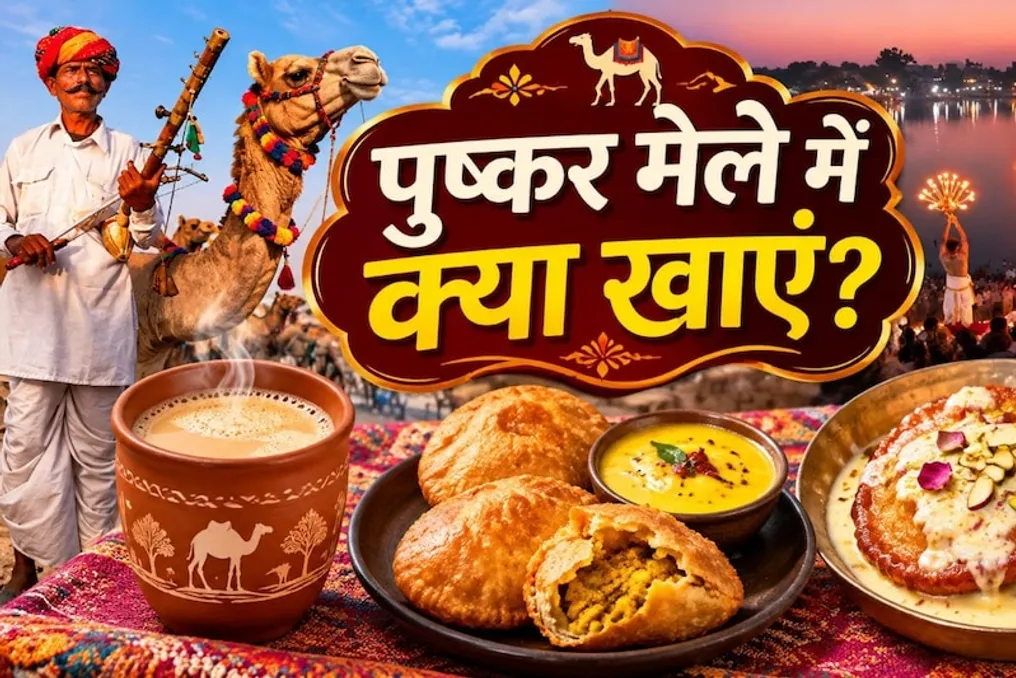
Pushkar Festival 2026: A Review of Unique Dishes from Camel Milk Tea to Malpua

If you are planning a trip with friends in November and are unsure where to go, consider visiting the Pushkar Festival, which will take place in the state of Rajasthan from November 17th to 24th. This festival attracts visitors from all over the world, with foreign tourists beginning to arrive in Pushkar a month before the event starts.

Pushkar is known not so much for its palaces as for its ghats (riverbanks), where picturesque evening aartis take place, which also attracts tourists. In addition to horse and camel races and trade, this year's Pushkar livestock fair features a very popular ten-year-old Marwari horse valued at 50 million rupees.

For culinary lovers, this is an ideal place because you can try various and unique dishes here. It should be noted that Pushkar is a religious center, so the sale of alcohol and meat products is prohibited, and food without garlic and onions is offered, which is very popular among local residents.

It is impossible to visit Pushkar without trying the local malpua, which is among the region's most famous desserts. Pushkar's malpua differs from the ordinary one because it is made from a mixture containing cottage cheese (mawa) and buttermilk (rabdi). It is then deep-fried until golden and crispy and dipped in a sweet cardamom syrup. Local bakeries prepare fresh portions of this delicacy daily.

If you prefer something spicy for breakfast, be sure to try Pushkar's crispy chowdi filled with spicy Moong beans. It is served crumbled and drizzled with a sweet and sour sauce mixture. Curry chowdi is also very popular. On Mohanji Bhujiwale street on the Brahma Temple road, you can find the famous methi pakoda curry chowdi. For a lighter snack, a combination of poha and jalebi is suitable.

When mentioning Rajasthan, dal-bati-churma is the first thing that comes to mind. At the Pushkar Festival, you will have the opportunity to enjoy this dish. Bati, made from wheat flour, is baked or roasted, then soaked in ghee and served with Panchmel Dal. The sweetness of churma, made from palm sugar or white sugar, further enhances the taste.

While walking around the festival, if you want something spicy, you can eat mirchi vada. This is a large green chili ring filled with a spicy potato filling, then coated in a chickpea flour mixture and fried. In the evening on the main market street, you can notice parathas stuffed with various vegetables such as beetroot, carrots, bell peppers, and potatoes, topped with grated cheese and various sauces.

At the festival, you can try a drink rarely found in other cities—camel milk tea. Herders from the Raika and Rabari communities traditionally prepare this tea over a fire. Its taste may differ from regular milk tea, being slightly salty. Locals drink it with rotla. You can also sample camel milk cheese and other products at the fair.

After long walks through the dusty streets of Pushkar, to refresh yourself, you can order kulahard lassi or makhania lassi. Furthermore, Pushkar is famous for its roses. Extracts and rose water are produced here from roses. Items such as gulakand and rose water can be purchased at the market to take home.

Pushkar offers not only Rajasthani dishes; the city is also known for the diversity of cuisines from different countries. The arrival of foreign tourists, especially from Israel, has had a significant impact on the menu of local cafes and restaurants. Therefore, you can find Israeli dishes such as hummus, falafel, labneh, and za'atar alongside Indian cuisine. Additionally, options appealing to other foreign guests are available, such as pasta, pizza, ravioli, and vegan burgers.

Popular